
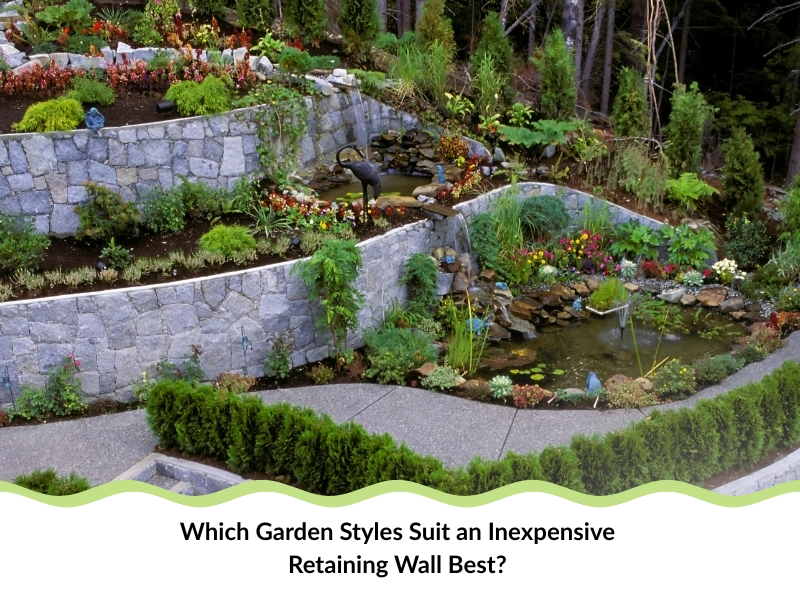
A coastal, native, cottage, or modern courtyard garden can all pair beautifully with an inexpensive retaining wall when you match materials, lines, and planting rhythm to the site. You’ll shape usable terraces, control erosion, and sharpen the whole layout without splashing cash. With clever detailing—stepped heights, tidy caps, and hidden drainage—you’ll get a structure that looks the part and copes with Sydney downpours. Style comes first, then materials and water management, so the wall reads as part of the garden rather than an afterthought. This article maps the style-to-structure choices, drainage must-dos, and classic mistakes to dodge so your wall lasts and looks schmick on a sensible budget.
What are the key benefits of building an inexpensive retaining wall in your garden?
Choosing a budget-friendly wall doesn’t mean skimping on function or looks. It means focusing on structure, drainage, and a style that complements your planting. You’ll convert slope into spaces that work hard year-round. Here are the key benefits:
- Space-making terraces: Level pads for seating, veggie beds, or play zones that make narrow yards pull their weight.
- Erosion control: Stable batters and neat edges that keep soil off paths during summer storms.
- Plant framing: Layered beds that make shrubs pop and lawns feel tidy, even on tricky grades.
- Future-ready foundations: Structural bones you can upgrade later with caps, cladding, or lighting.
A couple of trade-offs are worth noting: a low upfront cost and higher maintenance over time can go hand in hand if you ignore drainage and detailing. Still, with sound footings and thoughtful planting, you’ll lock in a sturdy base for outdoor living that looks the goods.
How do different garden styles influence the type of inexpensive retaining wall you need?
Garden style guides wall height, alignment, and finish. Start with the look you want, then choose the wall system that naturally speaks that language. This avoids a mismatch and keeps the budget steady.
Here are the style considerations:
- Coastal calm: Pale block or weathered sleepers with soft, staggered lines that suit salt air and lomandra sways.
- Native and bush: Rough-sawn hardwood or boulder-look modules that sit quietly behind banksias and grasses.
- Modern minimal: Straight runs, crisp corners, and smooth caps in concrete block or rendered low walls.
- Cottage charm: Short, stepped walls with pocket plantings; recycled sleepers and split-face blocks look right at home.
When posts, spacing, and sleeper grade matter, you’ll save headaches by reading build methods early; many DIYers quietly study and learn how to build a sleeper retaining wall before buying a single length. Wrap the style with planting that softens edges, and you’ll get everyday ease plus curb appeal.
Which materials are best for creating a durable, inexpensive retaining wall?
Materials should match soil, drainage, access, and the style you’ve chosen. Aim for systems that are forgiving to install but still robust under load. Keep wall heights practical to avoid unnecessary engineering.
Here are the material options:
- Treated pine sleepers: Affordable, light to handle, quick to swap out if any section weathers hard.
- DIY concrete block systems: Neat stacking, consistent joints, and easy caps for a polished finish on a budget.
- Recycled hardwood sleepers: Characterful, dense, and tough as nails; heavier to work with, but enduring.
- Gabions with rock infill: Excellent drainage and a natural, industrial look that settles into native palettes.
Excellent DIY potential and the risk of poor drainage often sit on opposite sides of the ledger—plan for the latter, and you’ll enjoy the former. For clarity on structural families beyond sleepers, many designers pause to explore the different types of retaining walls before sketching corners and step-downs.
Quick comparison table
| Material/system | Upfront cost | Typical lifespan | DIY difficulty | Best style matches | Notes aligned to local practice |
| Treated pine sleepers | Low | 7–15 years | Low | Coastal, cottage, edible | Use H5 in ground; galvanised fixings |
| DIY concrete block modules | Low–Medium | 20+ years | Low–Medium | Modern, formal, mixed | Cap units to shed water |
| Recycled hardwood sleepers | Medium | 15–25 years | Medium | Native, rustic, cottage | Pre-drill; heavier install |
| Gabion baskets + rock infill | Medium | 20+ years | Medium | Bush, industrial, contemporary | Self-draining; needs sturdy base |
| Low-poured concrete (curves) | Medium | 20+ years | High | Modern, architectural | Formwork accuracy is critical |
Two final pointers: long service life favours concrete or well-detailed gabions, while limited height capacity keeps many sleeper walls sensible and safe. Choose with eyes wide open and you’ll avoid rework.
How can proper drainage improve the performance of an inexpensive retaining wall?
Water pressure is the silent force that topples budget walls. Manage it, and your structure will cruise through wild summer rain. The recipe is simple: free-draining backfill, somewhere for water to go, and clear surface falls. Here are the drainage practices:
- Perforated ag pipe: Set at the heel, wrapped and graded to daylight or a soakaway so water exits fast.
- Coarse aggregate backfill: 10–20 mm gravel behind the wall to reduce hydrostatic pressure without clogging.
- Geotextile separation: Fabric that keeps fines out of the gravel and extends system life.
- Surface grading: Paths, decks, and garden beds sloped away from the wall to prevent ponding.
For eco-savvy gardeners, integrated water strategies make the site sing. Rain gardens, swales, and permeable paths dovetail into sustainable landscaping and garden design so the wall isn’t copping every drop. Nail drainage and your maintenance list get shorter, not longer.
What are the most common design mistakes when planning garden retaining walls?
Most blowouts trace back to shortcuts, not the price of materials. Good planning and tidy execution keep costs fair and results tidy. Think posts, footings, and transitions first. Here are the common mistakes:
- Shallow posts or skinny footings: Undersized structure that sags or leans after a wet week.
- Skipping movement joints: Long masonry runs that crack like a stale bikkie when temps swing.
- Ignoring step-downs and returns: Abrupt ends that telegraph stress and look crooked.
- Forgetting services and boundaries: Utility strikes or setback breaches that force expensive changes.
When gathering inspiration, it pays to examine a variety of built outcomes that suit similar slopes and soils. Many homeowners quietly compare layouts, capping details, and step ratios, and consider affordable retaining wall ideas. Lock in those details early, and you’ll avoid cost creep and weekend redo jobs. With clean lines and smart joints, the wall will behave and look sharp for years.
How does a professionally built retaining wall add value to your outdoor space?
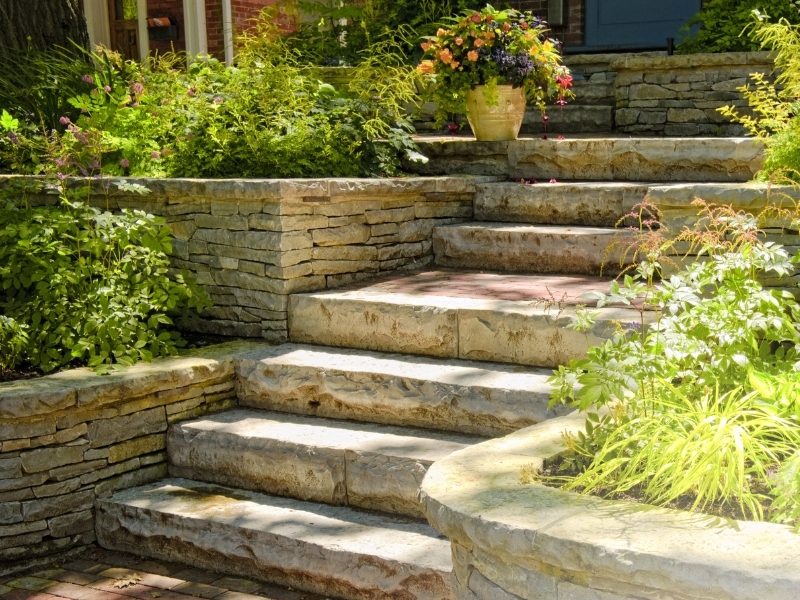
A straight, compliant wall does more than hold soil—it signals quality and makes outdoor life easier. Safety, longevity, and everyday use all lift when structure and drainage are done right. Here are the value drivers:
- Compliance and safety: Correct footing depth, setbacks, and drainage reduce risk and future headaches.
- Visual alignment: True levels, square corners, and crisp caps that elevate nearby paving and planting.
- Better microclimates: Stable terraces and warm walls that boost plant health and reduce runoff.
- Future-proof services: Hidden conduits and accessible drains for lighting, irrigation, or later upgrades.
Expect some homework up front—soil, heights, and access—but the payoff is a yard that feels bigger and easier to use. The result reads calm, functional, and robust, not fussy. Pros and cons still exist; higher upfront planning effort is real, but so is the long-term ease that follows.
Final thoughts
Style leads, structure follows, and drainage seals the deal. Start with the garden language you want—coastal calm, bushland ease, cottage charm, or modern minimal—then choose a wall system that naturally fits that tone and your site’s soil. Keep heights sensible, step longer runs, and set falls that shunt water away. Plant generously to soften edges and give the wall a settled look from day one. To move from ideas to a practical plan that suits your yard and timeline, explore how All Green Gardening & Landscaping can elevate your outdoor space and shape a design that feels right, works hard, and lasts