
All Green Gardening & Landscaping (Structural Landscaping Licence: 353827C)
Safe, tidy tree work that fits your property, your plans, and your access.
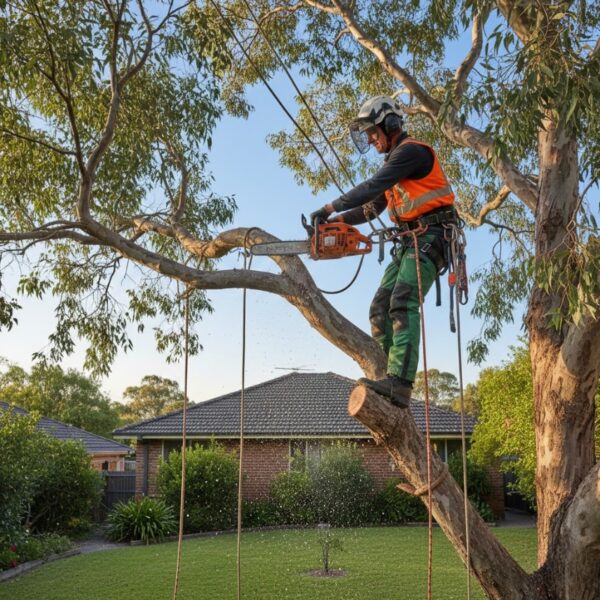
tree services sydney in Sydney means scoping the job properly before anyone starts cutting—because the safest approach changes with height, lean, what’s underneath, and how close you are to fences, roofs, pools, and service lines. We inspect first, confirm what needs doing (and what doesn’t), then provide a fixed quote that matches the real site conditions.
Not for you if
Book a site visit: Contact All Green Prefer to call: 0410 196 069

Good tree work is less about the first cut and more about the plan behind it. The right scope balances safety, tree structure, access, and your outcome—clearance, light, risk reduction, or removal. A site inspection matters because two trees of the same species can require totally different methods once you factor in lean, weak unions, rooflines, and what needs protecting below.
Typical inclusions (tailored to your property and access):
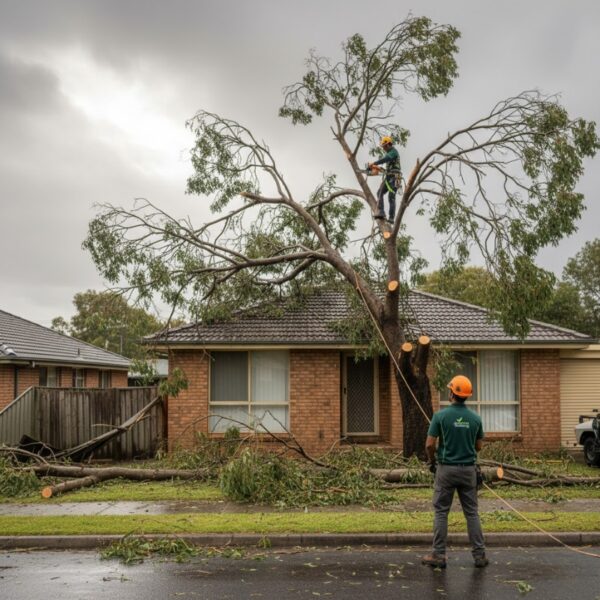
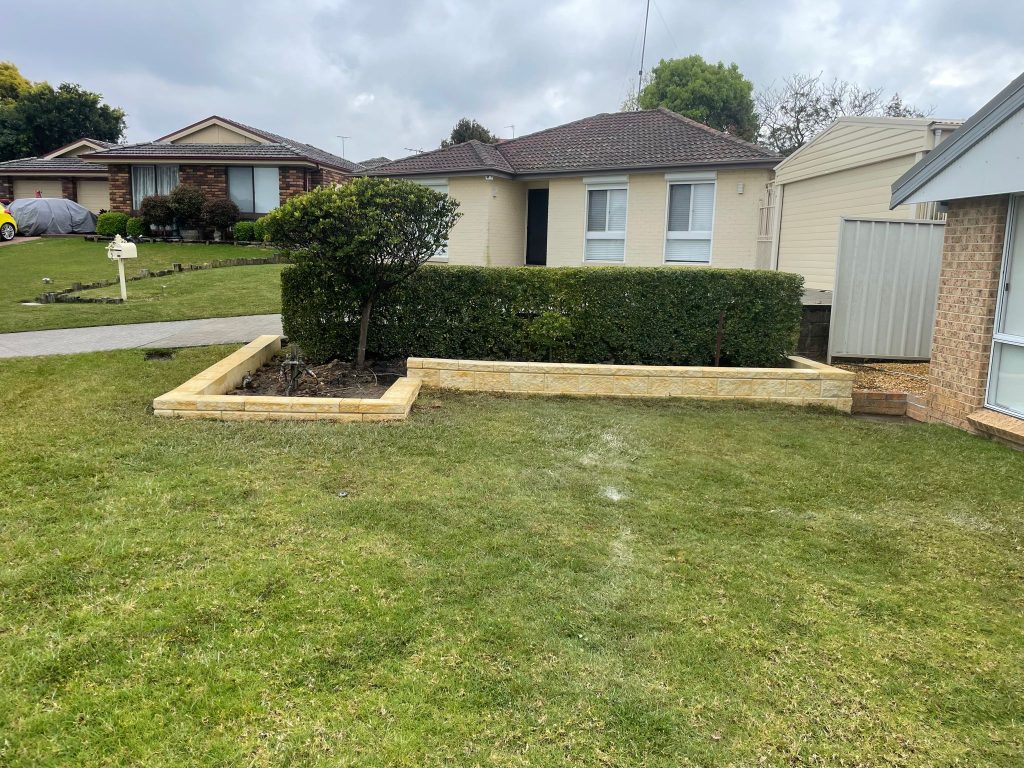
If you want a feel for finish quality and how tidy the work area is left, see View tree work photos.


Most people don’t need “everything cut back”. They need one clear outcome: reduce risk, regain light, stop gutter overflow, prevent branch rub on roofs, or remove a failing tree before it becomes an emergency. The best results come when the job is selected to match the problem, not the label—lopping, trimming, cutting, or removal.
| Situation | Best Fit | Why | Next Step |
|---|---|---|---|
| Branches over roof, gutters, solar, or driveway | Targeted reduction / clearance prune | Improves clearance without destabilising the canopy | Book an on-site scope and agree the cut line |
| Dense canopy, low light, poor airflow | Crown thinning | Reduces weight and improves airflow while maintaining structure | Identify selective limb removal points |
| Deadwood after wind/storm | Deadwood removal + safety check | Removes high-risk limbs and checks stability | Prioritise hazards; plan access and drop zone |
| Tree too close to fence/structures or declining | Tree removal | Prevents repeat damage and ongoing risk | Confirm access, rigging plan, and disposal |
| Tight access or valuable landscaping below | Rigged dismantle plan | Controls piece size and protects the site | Confirm protection measures and staging area |
| Neighbour boundary concerns | Scope + communication plan | Avoids disputes and sets expectations | Confirm boundary line and notify neighbour if needed |
Delaying can turn a manageable job into a higher-risk one—especially when branches are over structures or the tree has visible defects. Even when the tree “looks fine”, hazards often show up in the details: deadwood high in the canopy, weak branch unions, or weight that’s shifted after storms. SafeWork NSW flags tree work as a high-risk activity with common serious injury causes including falls and being struck by falling objects—so the job should be planned, not improvised.
Watch-outs that justify an inspection:
If you need urgent help after a storm event, use the dedicated pathway for Emergency tree removal.
Tree cutting services work best when the steps are consistent: inspect, plan, protect, execute, and clean up. The aim is a controlled job where every cut has a reason, the drop zone is managed, and the finish is tidy—especially in Sydney blocks where access can be tight and neighbouring properties are close.
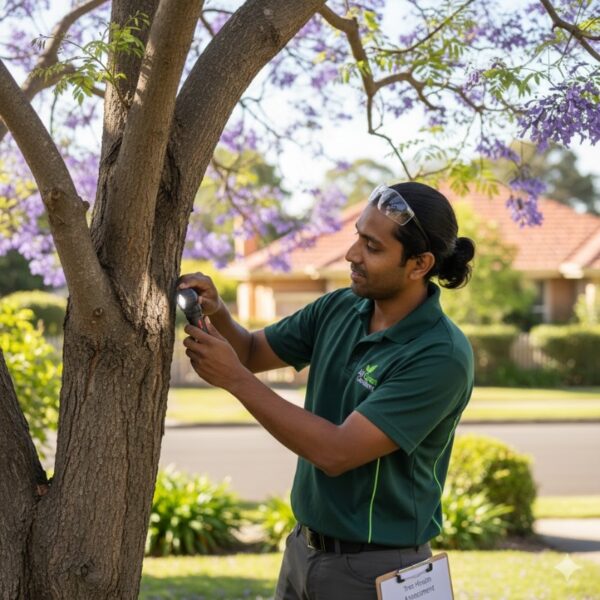
Site visit and hazard check
(structure, lean, deadwood, targets below, access constraints)
Confirm the goal
(clearance, light, risk reduction, reshape, or tree removal)
Lock the scope and method
(cut points, rigging needs, protection for roofs/fences/gardens)
Provide a fixed quote on site
so the cost matches the real conditions
Carry out the work safely
with controlled cutting and site protection
Handle material as agreed
(remove, stack, or mulch) and leave the area tidy
We confirm the result with you, talk through follow-up recommendations, and leave the site in a respectable condition.


We service most Sydney suburbs, with frequent work in:
Baulkham Hills, Castle Hill, Kellyville, Blacktown, Quakers Hill, Glenwood, Penrith, Glenmore Park, Campbelltown, Glen Alpine, Yagoona, Parramatta, Ryde, Eastwood, Cronulla, Caringbah, Gymea, Gymea Bay, Marrickville, Ashfield, Bondi.
Availability depends on access, the type of work required, and weather conditions. Same-week availability is often possible when scheduling and safety allow, and after-hours support is only used for genuine urgent situations.
People often use “tree lopping” as a catch-all, but the best approach depends on what you’re solving for. The key decision is whether you’re improving the tree’s safety and structure, or whether the tree needs to come out entirely due to location, decline, or repeat risk. When you’re comparing providers, focus on how they explain the method, not just the price.
Practical decision guide:
If you want a plain-English comparison, see Tree lopping vs tree removal.
For licence and safety confidence, you can check contractor details via Service NSW licence check and read SafeWork’s overview of tree trimming, removal and arborist work.
Sometimes tree work is part of a bigger plan—opening light for turf, protecting a new paved area, or reducing leaf load before ongoing maintenance. If you’re lining up multiple outdoor jobs, it helps to stage work in a way that reduces rework and mess (for example: tree work first, then clean-up, then turf or paving).
Internal planning links:
Support Planning Tools And References
Public register search: Verify NSW
Yes, we provide tree removal where it’s the safest and most sensible option for the site and the tree’s condition. The right approach depends on access, proximity to structures, and how the tree can be dismantled safely. We’ll confirm the method during the site visit and provide a fixed quote that matches your property conditions.
Tree trimming is typically selective work for clearance, light, airflow, or structure, while “lopping” is often used broadly and can mean heavier reduction. The important part is not the label—it’s whether the cuts are planned to suit the tree and the risk on site. This explainer may help: difference between tree removal and tree trimming.
Pricing is driven by tree size and height, access, proximity to structures, complexity of control/rigging, and how you want material handled (removed, stacked, mulched). That’s why a fixed quote on site is usually the most accurate option—so the scope matches the real conditions rather than an estimate over the phone.
Yes, tight access is common in Sydney, and the plan changes based on what needs protecting below and how material can be moved out. We scope the safest method on-site, including piece sizing and protection around fences, roofs, gardens, and paths. The goal is controlled cutting and a tidy finish, not rushing.
Yes—material handling is agreed as part of the scope. Depending on what you prefer and what’s practical, we can remove debris, stack timber neatly, or mulch on site. The chosen option is confirmed before work starts so there are no surprises at clean-up time.
Yes, Warranty Provided with Quote. The exact warranty wording and what it covers is included in the written quote so you know what’s included, what’s excluded, and what conditions apply (for example, access changes or scope changes). If you want specific warranty coverage noted, mention it during the site visit.
Yes, when it’s urgent and safe to do so, after-hours support may be available for storm-related situations, subject to crew availability and safety conditions. If a tree is unstable or near hazards like power lines, the plan may involve securing the area and arranging the safest next step rather than rushing in.
Same-week availability is often possible depending on the week’s schedule, job complexity, and weather. The fastest way to move forward is to share the goal (clearance, light, safety, shape) and upload photos where possible, as it helps with planning and reduces back-and-forth.
Sometimes, yes—requirements can vary by council area and tree type. If approvals may apply, we’ll flag it during scoping so you can confirm with your local council before proceeding. If you’re unsure, it’s better to check early than to assume it’s fine and risk delays.
Yes. Tree work can involve falls, falling objects, and hazards near structures and services, which is why the job should be scoped and controlled. SafeWork NSW provides guidance on risks in arborist and tree work, and planning around those risks is a core part of doing the job properly.
Yes—careful work around structures and gardens is part of the service. The method depends on access, the size of pieces that can be lowered safely, and what protection is required. During the site visit we confirm the drop zone, protection, and clean-up plan so the finish is tidy.
Clear photos, the suburb, and what outcome you want (clearance, light, safety, shape, removal) helps. If you can, include a photo showing the base of the tree and what’s underneath (roof, fence, patio, garden bed). That detail supports planning and helps us confirm whether same-week scheduling is realistic.
Yes. This service is commonly used for strata and managed properties when you need a defined outcome, a clear scope, and tidy completion. The same principles apply—risk assessment, access planning, and material handling agreed upfront—so the job runs smoothly without unnecessary disruption.
If you want tree work handled with clear scope, careful cutting, and a tidy finish, we’re set up for it. You’ll deal with a team that plans around access and risk first, then matches the method to the outcome—clearance, light, safety, or removal—without overcomplicating the process. We also schedule Sydney-wide and keep the quoting straightforward with fixed on-site pricing.
Evidence of finish and past work available in the portfolio: Gallery
If you’re looking for tree cutting Sydney, tree trimming Sydney, or tree removal Sydney and you want the job scoped properly first, we can help. Share what you’re trying to achieve (clearance, safety, light, shape), let us know if it’s storm-related, and add photos if you can—it helps us plan the safest approach.
Next step: Contact All Green Call: 0410 196 069