
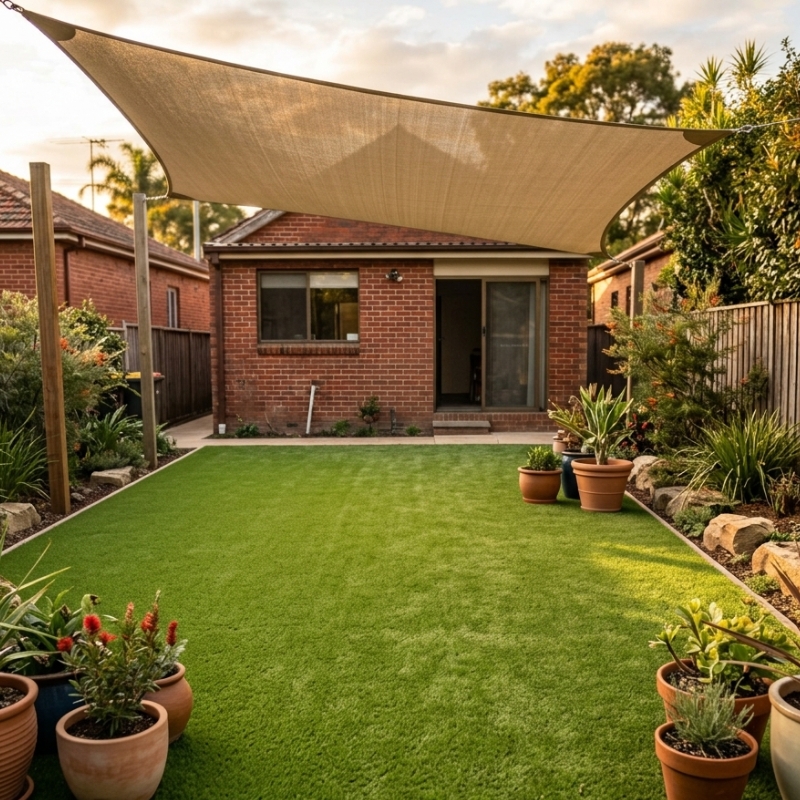
Replacing tired grey slabs with lush green turf sounds like a weekend game-changer, especially when you can avoid the mess of ripping up concrete. But does installing synthetic turf straight over hard surfaces actually stack up in Sydney’s climate? Below we walk through the genuine advantages, watch-outs and decision points so you can see whether it is worth exploring professional turf laying support or sticking with another makeover idea.
Why Homeowners Consider Turfing Over Concrete
Sydney blocks built through the 1980s and 1990s often feature large poured slabs for patios, driveways or no-maintenance courtyards. Fast forward to today and many owners want more usable green space without a full demolition. Artificial grass appeals because:
• It looks like a lawn without irrigation restrictions.
• It provides a gentler, more barefoot-friendly surface for kids and pets.
• It can visually soften apartments, terraces or duplex side paths where planting beds are impossible.
• It is marketed as a quick, “lay-and-play” upgrade.
Before you wheel out the turf rolls, however, it is worth asking, is artificial turf safe for a home garden? There are drainage, heat and installation realities you need to weigh before making your decision.
The Upside: Five Genuine Benefits of Sydney Properties
1. Instant Visual Lift
A quality polyethylene pile can turn a glare-filled courtyard into a green oasis overnight. In suburbs such as Newtown or Surry Hills where land is tight, this visual breathing space can make small yards feel larger and more inviting.
2. Allergy and Mud Control
If your family battles seasonal pollen or your dog churns up dirt in rainy weeks, a sealed concrete base capped with turf can reduce airborne allergens and stop mud tracking inside.
3. Lower Ongoing Water Use
Artificial grass needs the occasional hose-down, not routine irrigation. During Level 2 Sydney Water restrictions, this keeps you within guidelines while still enjoying a lawn look.
4. Slip Resistance When Installed Correctly
Modern turf backings combined with silica sand or cork infill can add grip compared with smooth, worn concrete. This is handy around pool surrounds in Ryde or Parramatta where splash zones stay wet.
5. No Soil Removal Costs
Jackhammering and skip-bin fees for concrete demolition quickly add up. Leaving the slab in place avoids landfill and cuts thousands from a full landscape overhaul.
The Downside: Six Limitations Worth Checking First
Even premium turf systems have boundaries. Rushing in without a site check can waste your outlay. Below is a snapshot, followed by deeper guidance.
| Limitation | Why It Matters | Can It Be Managed? |
| Poor drainage | Water can pool under the mat, causing odours or lifting | Add drainage holes, slight slope, permeable shock pad |
| Heat retention | Concrete already stores heat; turf fibres can push surface temps higher on 35 °C days | Choose lighter-coloured yarns, add shade sails, misting or plant pots |
| Surface unevenness | Old slabs often have cracks or pits that telegraph through turf | Self-levelling compound, foam underlay or minor grinding |
| Limited anchoring points | Glue only works on clean, stable slabs | Mechanical edging trims or expansion-joint screws may be needed |
| Council permeability rules | Some LGAs cap the percentage of non-permeable coverage | Check with local council planning; consider partial installs |
| Future access | Turf hides slab condition; plumbing or electrical trenches become harder | Photograph and map any under-slab services first |
As the table shows, most issues can be mitigated, but each adds cost or planning steps.
Key Site Factors That Decide Success
Concrete Condition
Hairline cracks are usually fine once sealed, but rising slabs, subsidence or active cracks can fracture adhesive and telegraph ridges. A quick spirit-level check along with tapping for hollow sounds helps reveal structural weakness.
Drainage and Slope
Sydney’s summer storms can dump 50 mm of rain in an hour. A slab ideally slopes 1–2 % away from buildings. Lay a marble on the surface; if it doesn’t roll, consider core drilling drainage holes and installing a porous shock pad to avoid puddles and bacterial smells.
Sun and Shade Balance
North-facing courtyards in Bondi or Manly can feel like pizza ovens. Test the surface temperature at 2 pm with an infrared thermometer. If you regularly read above 45 °C, include shade sails, umbrellas or deciduous planters in the design.
Local Council Compliance
Some councils classify synthetic turf on concrete as non-permeable. Exceeding your site coverage ratio may affect future DA approvals for extensions. Check your LGA’s stormwater fact sheet or call the duty planner before committing.
Common Installation Mistakes to Avoid
- Skipping the Cleaning Stage
Dust, oil or efflorescence stops adhesives from bonding. A pressure-wash and degreaser treatment gives a clean slate. - Forgetting an Expansion Gap
Turf glued hard against vertical walls can wrinkle in heat. Leave 5–10 mm and cover with an L-shaped trim. - Using Exterior Carpet Adhesive Indoors
General “contact” glues may soften under hot pool water. A polyurethane turf adhesive rated for 90 °C surface temperature is safer. - Laying Turf in One Long Piece
Courtyard shapes rarely match roll widths. Dry-fit first, then cut and seam for grain direction before gluing. - Ignoring Odour Control
Pet urine trapped between concrete and backing smells fast. Choose antimicrobial infill and rinse monthly.
Decision Framework: When Artificial Grass Over Concrete Makes Sense
Use the checklist below to see where your yard sits.
| Situation | Likely Outcome | Next Step |
| Small, level slab with minor cracks | Good candidate | Budget for drainage holes, shock pad, quality adhesive |
| Large patio with ponding issues | Moderate candidate | Quote drainage fix first, consider partial turf area |
| Heavily cracked or lifting concrete | Poor candidate | Seek structural repair or removal before turf |
| Council non-permeable limit almost reached | Risky | Consult planner or swap portion for permeable pavers |
| West-facing, full sun, no shade | Needs mitigation | Plan sails, pergola or light-pile product |
Will Turf Over Concrete Stay Cool Enough?
Synthetic yarns can hit 60 °C on extreme days. Light green or tan-streaked fibres reduce absorption, and misting kits can drop temperatures by 10 °C during gatherings. Humid coastal suburbs such as Cronulla feel the heat less because sea breezes assist cooling.
Environmental Considerations and Run-Off Rules
Sydney Water encourages permeable landscaping to reduce stormwater pressure on the network. While modern turf backings include perforations, water still needs an exit path through the concrete substrate. Check out the NSW Government’s guidance on stormwater management for small properties for best-practice runoff planning: NSW Environment & Heritage – Stormwater Runoff.
Maintenance Snapshot: What Changes and What Doesn’t
• Sweeping and leaf blowing replace mowing.
• Infill top-ups every 2–3 years keep fibres upright.
• Antimicrobial sprays help if pets use the area.
• Annual pressure-wash on a low-pressure fan removes dust and algae.
Frequently Asked Questions
1. Does artificial turf need a shock-pad underlay on concrete?
A shock pad isn’t mandatory, but it improves drainage, softness underfoot and ball bounce for kids’ play areas. It also hides small imperfections in the slab.
2. Will the turf glue damage my concrete if I remove it later?
Most polyurethane adhesives leave a thin residue that can be ground off. If resale flexibility matters, ask installers about perimeter fastening strips instead of full-surface glue.
3. How long does synthetic grass last over a slab in Sydney’s climate?
Quality UV-stable yarns last 10–15 years before noticeable fade. The concrete base actually prolongs life because substrate movement is minimal compared with soil.
4. Can I lay turf over painted or sealed concrete?
Paint and sealers can stop adhesive curing. Mechanical removal or abrasive blasting is usually required to reach bare concrete for a reliable bond.
5. Will my council approve artificial turf on a heritage terrace courtyard?
Heritage controls focus on street-visible elements. Rear courtyards seldom trigger issues, but impermeability caps still apply. It’s safest to lodge a quick email inquiry with the heritage officer before work.
Final Thoughts
Laying artificial grass over concrete can deliver an instant, low-maintenance facelift for many Sydney homes. The concept works best when the slab drains well, the area stays reasonably shaded, and you plan for odour control if pets are present. If your slab shows structural cracking or you’re already near your non-permeable coverage limit, it may be wiser to repair or partially remove the concrete first. When conditions line up, however, synthetic turf offers a fast, water-wise way to reclaim dead space and enjoy year-round greenery.