
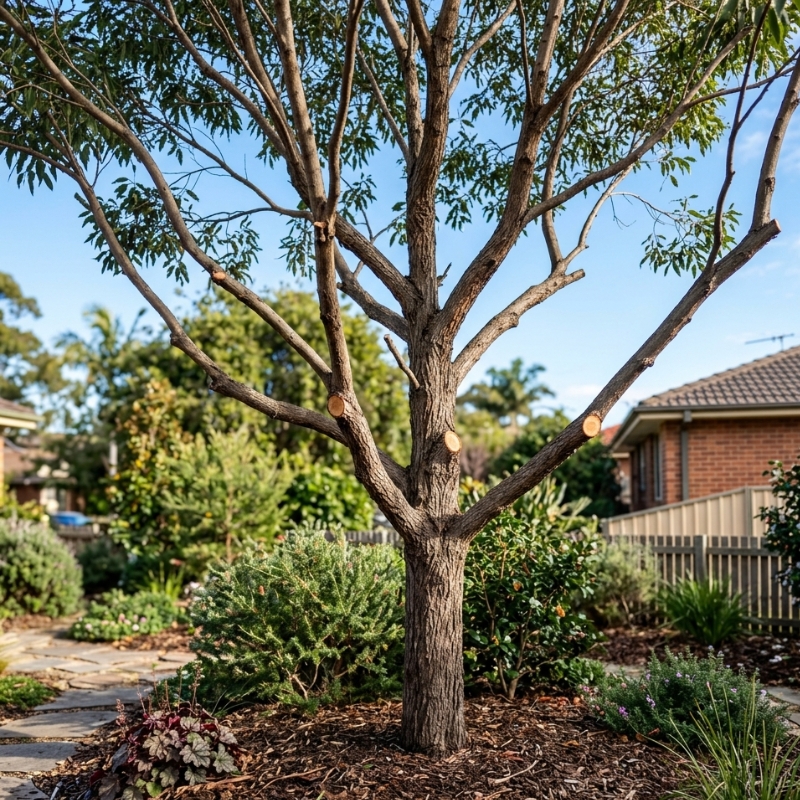
Sydney’s winters are short and comparatively mild, yet they give many garden trees a valuable pause in growth. That dormancy makes it easier to see a branch’s true structure, remove weak limbs and shape for spring – but only if the timing and technique are right. Done poorly, a winter cut can open an invitation to pests or frost damage. Done well, it can set a tree up for healthier growth and fewer hazards when the summer nor’easter starts to blow. If you discover cracked, hanging or over-extended limbs that look beyond a safe weekend job, remember that professional tree services are only ever a call away. First, let’s unpack why winter pruning can be both the safest and riskiest time to reach for the saw.
Why Winter Can Be the Safest Time to Prune Many Trees
Winter pruning is based on one simple biological fact: sap flow slows dramatically in cooler weather. Because nutrients aren’t being pushed to new leaves or fruit, the tree can “seal” a cut more efficiently without diverting resources away from active growth. For Sydney gardeners, the benefits look like this:
• Clearer visibility: With deciduous canopies bare, you can spot rubbing, crossing or dead wood you might miss among summer leaves.
• Reduced disease spread: Fungal spores and insect populations are lower in winter, so fresh cuts have fewer airborne threats.
• Stronger spring burst: Removing congested or diseased growth now allows the tree to channel energy into healthy buds when warm days return.
• Easier access: Firmer, drier ground in late winter often means less lawn damage from ladders or small equipment.
As always, there are caveats. Evergreen species such as eucalypts never truly “sleep”, and tropical ornamentals can resent winter wounds that coincide with cold snaps. A deliberate approach is safer than a blanket rule.
Species Snapshot: Which Sydney Trees Like – and Hate – a Winter Haircut
Before cutting, match the calendar to the species. The table below groups common Sydney garden trees by how well they cope with winter pruning.
| Tree Type | Typical Sydney Examples | Winter Pruning Suitability | What to Prune in Winter | What to Defer |
| Deciduous fruit trees | Apple, pear, stone fruit (peach, plum, apricot) | High – they are fully dormant | Remove dead, diseased, inward-growing and overcrowded branches. Shorten leaders to shape. | Heavy structural changes on very old or stressed trees – spread over two winters. |
| Ornamental deciduous | Crepe myrtle, jacaranda, liquidambar | Moderate to high | Light shaping, crossing or rubbing limbs, height control on young trees. | Large diameter limbs where healing might leave visible scars on feature trees. |
| Evergreen fruit trees | Citrus, avocado, olive | Low – sap flow continues | Remove deadwood only. Very light tip pruning for shape. | Heavy reduction or thinning; wait until late spring when regrowth is active. |
| Aussie natives (evergreen) | Eucalypt, bottlebrush, lilly pilly | Variable – depends on age and health | Deadwooding, removal of hazardous snapped limbs. | Major canopy reduction; best done after flowering or in early autumn. |
| Sensitivity to frost | Poinciana, frangipani, hibiscus | Low – winter wounds can invite frost burn | Ideally none unless essential safety cut. | Any aesthetic or shaping cuts – wait until consistent warm nights. |
A quick recap: if your tree sheds leaves completely, winter is often ideal. If it’s evergreen, tread gently or postpone bigger cuts until active growth masks the wound.
Five Key Checks Before You Pick Up the Secateurs
Even on winter’s sunniest day, a rushed cut can set a tree back years. Run through this pre-pruning checklist first:
- Is the branch truly dead? Snap a small twig; green, moist tissue inside means life.
- Are you cutting outside the branch collar? That natural swelling is the tree’s defensive barrier. Cutting flush removes it and invites decay.
- Are your tools sharp and sanitised? Winter may slow pests, but bacteria hitch rides on blades year-round.
- Have you mapped direction of fall? Even a small limb can spear a fence or pane of glass if it twists unexpectedly.
- Does the cut exceed DIY safety? Anything thicker than your wrist or requiring a steady ladder on sloping ground is safer for a qualified arborist.
If you answered “no” to any, correct the issue before proceeding.
Common Winter Pruning Mistakes (and How to Avoid Them)
Sydney’s pleasant winter afternoons tempt many of us outside, loppers in hand. Avoid these frequent errors:
• Over-thinning deciduous fruit trees: Removing more than 30 % of the canopy can trigger weak, vertical “water shoots” come spring.
• Topping ornamentals: Lopping the top off a jacaranda or liquidambar creates multiple weak shoots that split in storms. Instead, reduce length selectively.
• Ignoring sap-bleeders: Maples and birches can “bleed” sap even in cool weather. Delay non-essential cuts until very late winter or early spring.
• Leaving stubs: A half-cut branch won’t compartmentalise properly and becomes a highway for decay.
• Working wet wood: Recent rain softens bark, making tears more likely and climbing more hazardous.
Most mistakes stem from impatience. Slowing down both your saw and your decision process is the simplest insurance policy.
DIY vs Professional: Knowing Your Limits During Dormant Season
Light formative or maintenance pruning is well within the reach of a steady-handed homeowner. The line shifts when height, diameter or council rules enter the picture. Sydney councils often protect mature natives and street trees, and they may require an arborist report before significant cutting.
Signs you should call in help rather than DIY:
• Branch is within three metres of powerlines.
• Limb overhangs neighbour property, shared driveway or roof tiles.
• Visible decay at the branch union (mushrooms, hollows, soft wood).
• Tree exceeds five metres in height and you lack proper climbing gear.
• You’re unsure whether the species tolerates winter pruning at all – see the best time to prune trees in Sydney for a deeper month-by-month guide.
Professional arborists also carry insurance, rigging equipment and the experience to drop large limbs safely, especially during gusty winter fronts sweeping off the Blue Mountains.
What Authority Guidelines Say About Timing
The NSW DPI pruning guidelines emphasise that correct timing and clean cuts are vital to minimise disease entry. They recommend delaying major structural work on evergreen fruit trees until active growth resumes – a reminder that “winter is best” is not universal.
FAQ 1. Is winter really the best time to prune all trees in Sydney?
Not all. Deciduous fruit and ornamentals often respond well, while many evergreens prefer late spring or early autumn. Use species-specific advice rather than a blanket rule.
FAQ 2. Does pruning in winter stop sap from leaking?
Sap flow slows but doesn’t halt. Species like maples can still ooze, though the loss is less stressful than in warm weather. Sealants are rarely recommended; clean cuts heal best.
FAQ 3. Can I prune after a heavy frost?
It’s safer to wait a day or two. Frost can make bark brittle, increasing the risk. Aim for a dry, mild spell of 15–20 °C typical of August days in Sydney.
FAQ 4. How much of a tree can I remove without harming it?
Stay under 25–30 % of live canopy in one season. Heavy reductions invite weak regrowth and potential sunburn on newly exposed limbs.
FAQ 5. Do I need council approval for winter pruning?
Routine maintenance of less than 10 % canopy is usually exempt, but each Sydney council sets its own Tree Preservation Order. Check their website or contact customer service before cutting anything substantial.
Wrapping Up
Winter pruning can be the quiet guardian of a tree’s long life – or the first chapter of decline if rushed. Match the species to the season, make deliberate, clean cuts, and step back when ladders or legalities complicate things. Should a limb look out of reach or a canopy reduction feel daunting, calling in professional support keeps both you and the tree safe for seasons to come.