
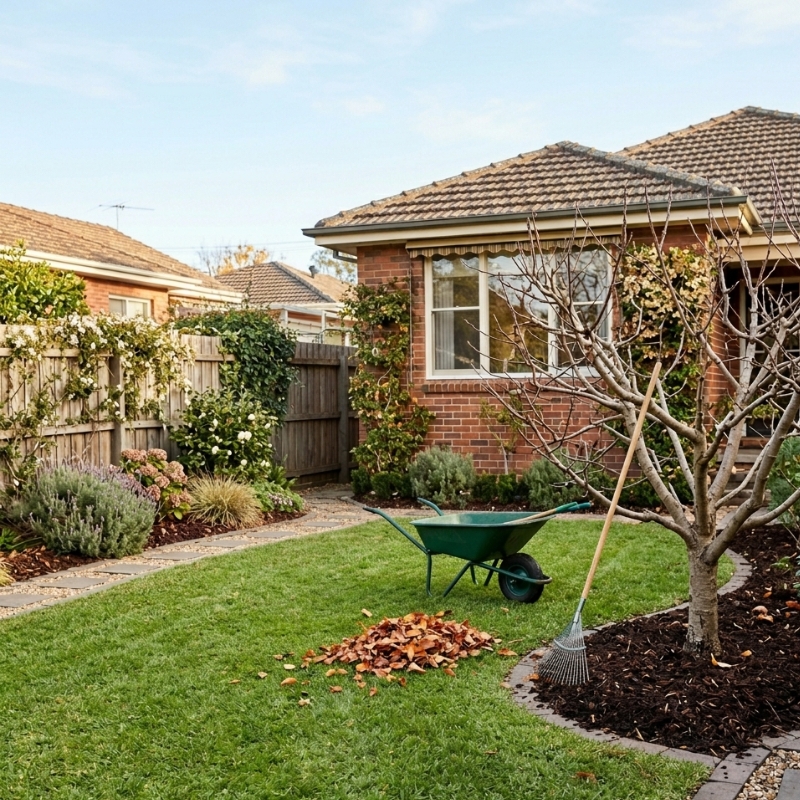
Sydney winters are cool rather than truly cold, yet the shorter days, occasional frost in western suburbs and bursts of heavy rain still stress gardens in their own way. Some jobs need attention right now, while others can safely wait until the soil warms. Rushing into the wrong task can set growth back or waste weekend hours you could spend elsewhere. This guide explains how Sydney’s mild winter affects gardening, plants, lawns and soil, and what to tackle, what to monitor and when it is worth calling in professional garden maintenance for a deeper seasonal overhaul.
Why Sydney Winters Are Different for Gardens
Unlike parts of southern Australia where overnight temperatures remain below zero for weeks, coastal Sydney averages minimums of 7–9 °C, with frost usually limited to the western suburbs and the Hills District. According to the Bureau of Meteorology climate data, daytime highs still sit near 17 °C in July. Plants receive enough warmth and light to keep ticking over, yet not enough for strong growth. This creates three key gardening implications:
- Warm-season grasses slow dramatically rather than turning fully brown, so mowing frequency can drop.
- Many deciduous fruit trees are dormant, making winter the safest pruning window.
- Soil remains damp for longer, increasing the risk of fungal disease if air circulation is poor.
Understanding these subtleties helps decide which jobs pay off now and which are best postponed.
Must-Do Winter Tasks for a Healthy Sydney Garden
Some chores cannot wait because they set the base for spring growth or prevent cold-season problems from escalating.
Clean up leaf litter and dead growth
Leaf build-up traps moisture against stems and lawn crowns, inviting rot and slugs. Rake beds lightly, add the debris to compost or green-waste bins, and avoid piling it against trunks.
Prune deciduous fruit trees and roses
With foliage gone, the branch structure is easier to see. Remove crossing or inward-growing branches and keep the centre open. Always sterilise secateurs between trees to avoid spreading diseases such as canker.
Check drainage after heavy rain
Winter downpours can reveal clogged pits, slow-draining beds or ponding on lawns. Mark trouble spots now so you can repair or re-grade before spring planting.
Weed growth is slow
Many winter weeds, for example, cudweed and winter grass, germinate in cool soil. Hand-pulling is easier before roots strengthen. Removing them early stops thousands of seeds from forming later.
Mulch to buffer soil temperature
A light, fresh layer of organic mulch (about 5 cm) helps keep soil warmer overnight and reduces splash-back of fungal spores during rain.
Useful Tasks That Often Help but Are Not Urgent
If time allows, the following jobs give gardens a winter edge but can be scheduled flexibly.
Light lawn top-dressing
Spreading a thin layer of sandy loam evens out hollows and promotes root contact. Only top-dress warm-season turf lightly, as excessive coverage in winter shades grass that is already photosynthesis-starved.
Dividing perennials
Clumping ornamentals like daylilies or agapanthus can be lifted and split while dormant. This improves vigour and provides free plants, yet doing it in early spring also works if winter weekends fill up.
Installing or fixing irrigation lines
With demand lower, irrigation shut-offs or line repairs cause minimal stress. Drip systems can be extended while beds are less crowded.
Jobs Better Left Until Spring
Heavy lawn fertilising
Sydney’s kikuyu, buffalo and couch lawns do not absorb high-nitrogen feeds efficiently below about 18 °C soil temperature. Wait until consistent warmth returns to avoid nutrient runoff.
Major planting of subtropicals
New hibiscus, frangipani and bougainvillea sulk in cool soil. Plant them in late August or September when root growth accelerates.
Hard pruning of cold-tender shrubs
Severe cuts expose soft tissue to cold snaps. Light shaping is fine, but hold off drastic reductions until frost risk passes.
Winter Task Priority at a Glance
Use the table below as a quick reference when planning your next yard session.
| Winter task | Why it helps | Can you DIY? | Signs to prioritise now |
| Rake leaf litter | Prevents rot and pests | Yes, a leaf rake and gloves | Thick matting on lawn, slugs under leaves |
| Prune deciduous fruit trees | Shapes canopy, boosts fruit set | Yes, with sharp, clean tools | Crossing branches, inward growth, dead wood |
| Check drainage | Avoids waterlogging and root rot | Basic inspection yes, fixing may need tools | Puddles remain 24 h after rain |
| Hand-weed | Stops winter weeds seeding | Yes, weeding fork helps | Seedlings in paths and beds |
| Mulch top-up | Keeps soil warmer, suppresses weeds | Yes | Bare soil visible, previous mulch thin |
| Light lawn top-dress | Levels surface, improves root contact | Yes, with wheelbarrow and spreader | Uneven dips or bumps appearing |
| Divide perennials | Rejuvenates crowded clumps | Yes, spade and fork required | Centre die-back, reduced flowering |
| Install irrigation lines | Ensures efficient watering | DIY kits possible | Leaks, dry patches, outdated sprinklers |
Common Mistakes Sydney Homeowners Make in Winter Garden Care
- Overwatering lawns and pots
Cooler nights mean moisture evaporates slowly. Touch the soil before turning on sprinklers. - Blanket-feeding with high-nitrogen fertiliser
Nutrients wash away rather than absorb, wasting money and polluting waterways. - Ignoring pest scouting
Scale insects and caterpillars still feed on mild winter days. Spotting early saves spring outbreaks. - Pruning frost-sensitive plants
Trimming golden canna or tibouchina now invites tip burn. Delay until new shoots appear. - Covering garden beds with plastic
Trying to “warm” the soil can trap humidity and cause fungal issues. Use breathable fabrics instead.
Quick Self-Check: Is Your Garden Coping Well?
Take ten minutes after a rainy winter weekend to run through this simple checklist:
• Lawns draining within a day, no standing water
• No mushy stems on potted succulents
• Pruned branches have clean cuts, no torn bark
• Weed seedlings kept below ankle height
• Mulch layer still at least 5 cm thick
• No algae or slime build-up on hard surfaces
Ticking most boxes means you are on top of winter care. Any gaps become next weekend’s priority.
When Professional Help Makes Sense
Winter tasks are usually lighter, yet some situations call for extra hands or specialist know-how:
• Drainage corrections requiring trenching or ag-pipe installation
• Large tree pruning near power lines (council permits often apply)
• Renovation of compacted lawns with coring equipment
• Time-poor weeks when the garden risks being ignored
If you are unsure how often to schedule these deeper sessions, see our guide on how often to schedule garden maintenance in Sydney for planning tips that match local growth cycles.
FAQs
1. Do Sydney gardens really need much attention in winter?
Yes, but not as much as in spring. A brief monthly tidy, strategic pruning and drainage checks prevent small issues from becoming costly repairs later.
2. Can I mow the lawn during the colder months?
Warm-season grasses slow down, so mowing once every 3–4 weeks is usually enough. Raise the mower height one notch to avoid scalping dormant turf.
3. Is it safe to cut back native shrubs now?
Light tip-pruning of hardier natives is fine, but leave severe reductions until late August. Many natives set buds over winter, and heavy cuts risk losing flowers.
4. Should I water my potted plants less in winter?
Generally yes. Check moisture with your finger and water only when the top 3 cm is dry. Indoor heaters can dry pots faster, so adjust per location.
5. What is the best mulch for Sydney’s winter?
Fine-to-medium grade organic mulches like eucalyptus chips or composted bark insulate soil and break down slowly in cooler temperatures.
Wrapping Up
Sydney’s mild winter offers a useful maintenance breather, yet ignoring the essential jobs can set gardens back when spring arrives. Focus on cleanup, strategic pruning, drainage and weed control, then park major planting and heavy feeding until warmer days return. A realistic plan keeps weekends free and plants healthy, ready to surge once daylight hours grow. If larger tasks or time constraints creep in, calling for seasonal help ensures no corner of the garden is left behind.