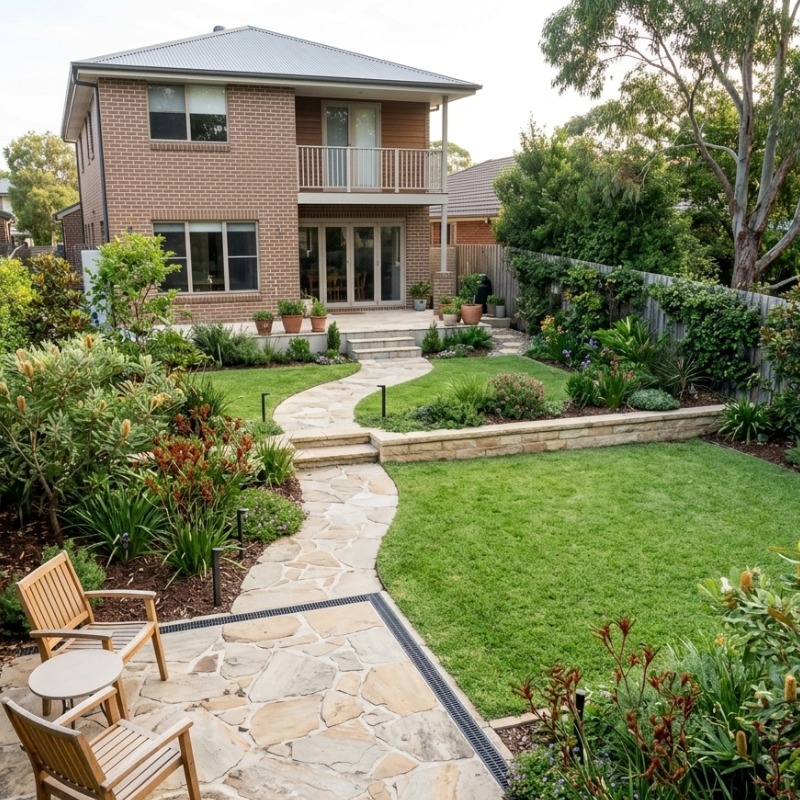
Thinking about a designed garden but not sure what you’re signing up for? A landscape design is more than a nice drawing. It’s the plan that turns a tired or awkward yard into a space that works, looks right and gets built without expensive surprises. This guide explains what a landscape design in Sydney actually involves, the process from first site visit through to a finished garden, and the things that shape your budget, so you know what to expect before you commission one.
What does a landscape design actually involve?
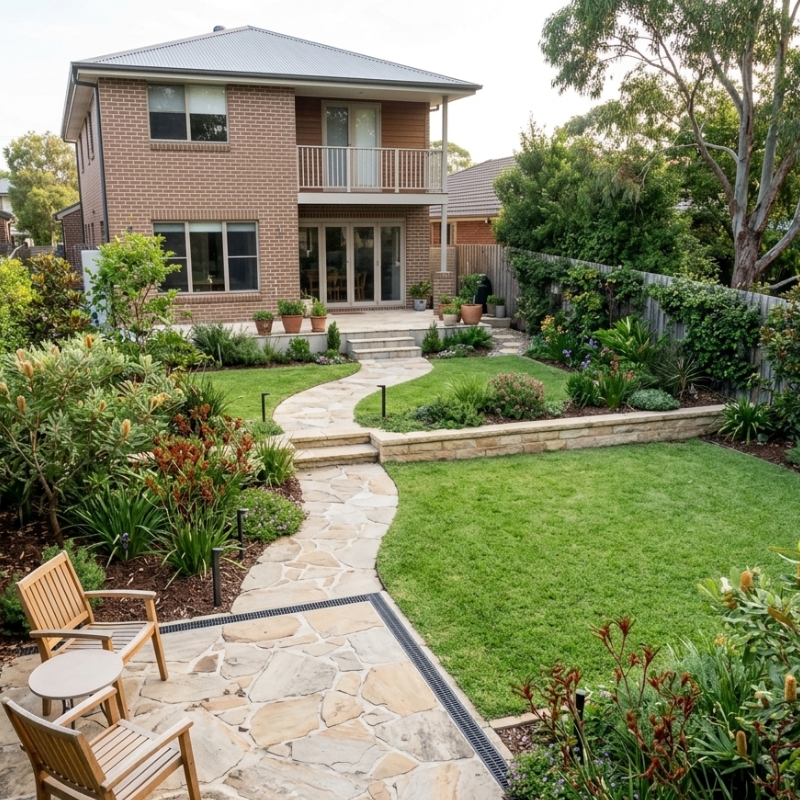
At its simplest, a landscape design is a considered plan for your outdoor space. Not just where the plants go, but how the whole area works: the layout, the levels, the flow between zones, the materials, the structures like paving and walls, drainage, and the planting that ties it together. A good design solves the practical problems of the site, awkward slopes, poor drainage, no privacy, wasted corners, at the same time as it sets the look.
The value of doing it properly is that the decisions get made on paper, where they’re cheap to change, rather than halfway through a build, where they’re not. A design gives you a clear picture of the finished garden, a plan a builder can price accurately, and a way to stage the work if you’re not doing it all at once. Put simply, it’s the difference between building a garden once and building it twice.
What is the typical design process, step by step?
Most landscape design projects follow a similar path, even if the detail changes with the job.
It usually starts with a site visit, where the designer looks at the space, the aspect, the levels, the soil and drainage, and how you actually want to use the garden. Then comes the brief, pinning down your goals, your must-haves and your budget. From there the designer works up a concept plan, the overall layout and look, for you to react to and refine. Once the concept is settled, it’s developed into a detailed design with the specifics: materials, dimensions, planting, structures and levels. That detailed design is what gets quoted accurately, and then, once you’re happy, it moves into the build.
How long all this takes depends on the size and complexity of the project. A small courtyard might go from site visit to a buildable design in a few weeks. A larger block with levels, structures and staged works takes longer to resolve properly, and that’s fine, because rushing the design stage is a false economy. It’s the one part of the job where a slow decision is cheaper than a fast one.
The back-and-forth in the concept stage is the important bit. That’s where changes are easy and cheap, and where getting the layout right saves you regret later.
How do design and construction fit together?
There are two ways a garden project can run. You can have a design drawn up by one party and then find a separate builder to construct it, or you can work with a team that does both. All Green handles design and construction together, which keeps the whole thing under one roof.
The advantage of design and build is that the people drawing the plan and the people building it are on the same page from the start. The design is grounded in what can actually be built and priced, there’s less lost in translation between designer and builder, and you have a single point of responsibility from concept through to the finished garden.
What shapes the budget?
This is the question everyone wants answered, so here’s an honest look at what moves the number, without pretending any two gardens cost the same.
Site conditions come first. A flat, accessible, well-drained block is straightforward. A sloping site, heavy clay or a drainage problem means earthworks, drainage or retaining before the nice parts even start, and that lifts the budget. Access matters too, since a site machines can’t reach means slower, more hands-on work. Materials swing the total a long way, with premium stone and finishes sitting well above basic options.
Then there are the structures. Hard landscaping is usually where the bulk of a budget goes, so structural elements that shape a design budget like retaining and level changes, along with paving and paths, carry real weight in the final figure.
Larger retaining walls and level changes can also need council approval, which feeds into both the timeline and the budget, so it helps to know what counts as exempt development on the NSW Planning Portal. Planting scale is a factor as well, since a garden of advanced, established plants costs far more than one grown on from smaller stock. The more complex the design, the more levels, zones and features, the higher it climbs.
We’ve kept this qualitative on purpose. A real figure comes from a scoped design and a proper quote, not a guess, because the drivers above pull every project in a different direction.
Small gardens and courtyards vs larger blocks
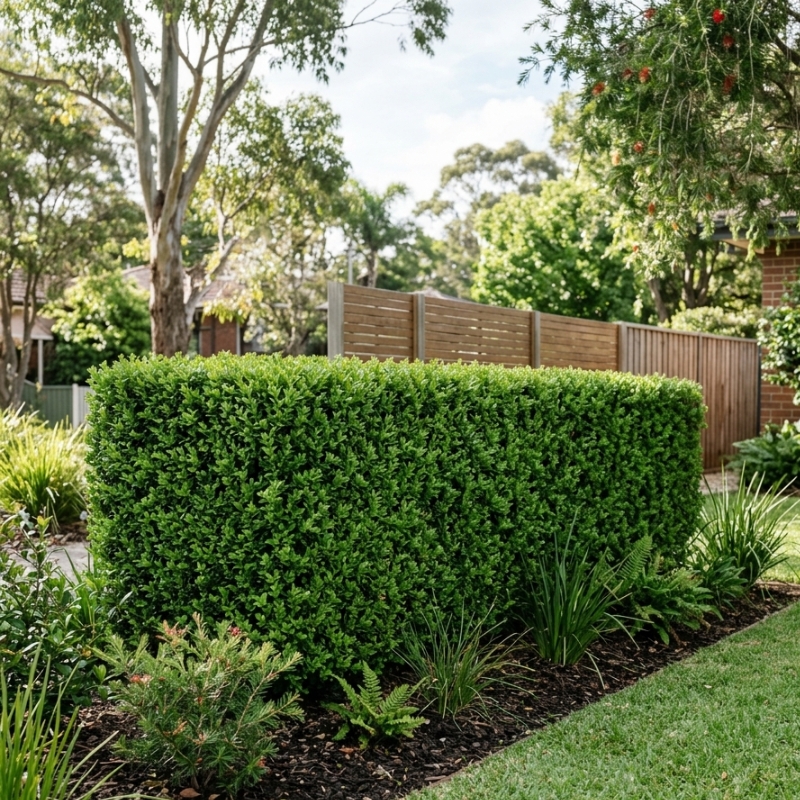
Scale changes the approach. A small garden or a courtyard is all about making every square metre earn its place, with clever layout, privacy, screening and low-mess planting doing the heavy lifting. There’s less area, but the detail matters more, and a good design is arguably more valuable in a tight space because there’s no room to waste. Our piece on courtyard garden ideas digs into that side of things.
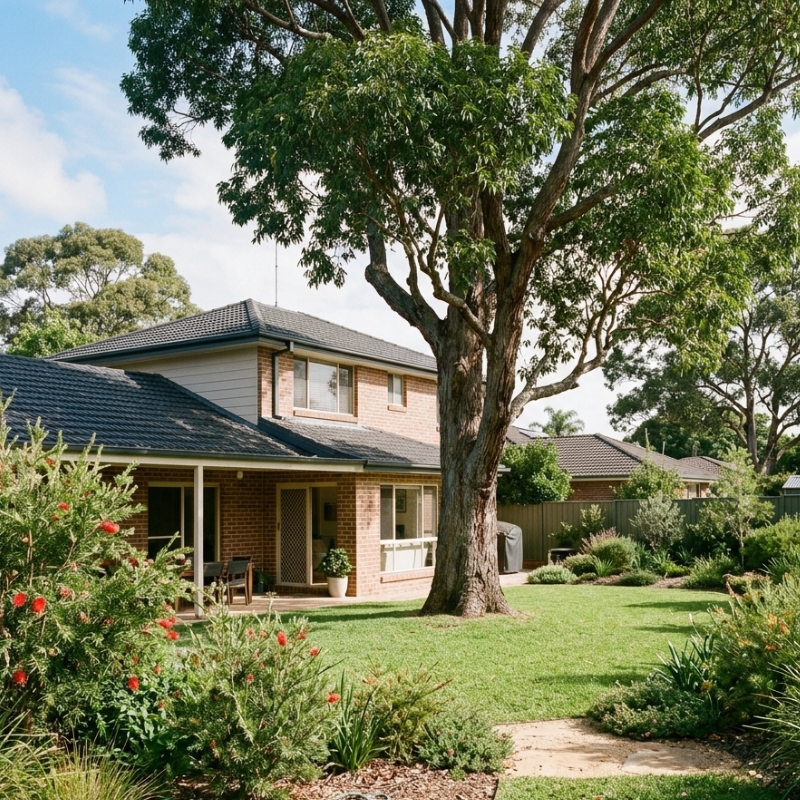
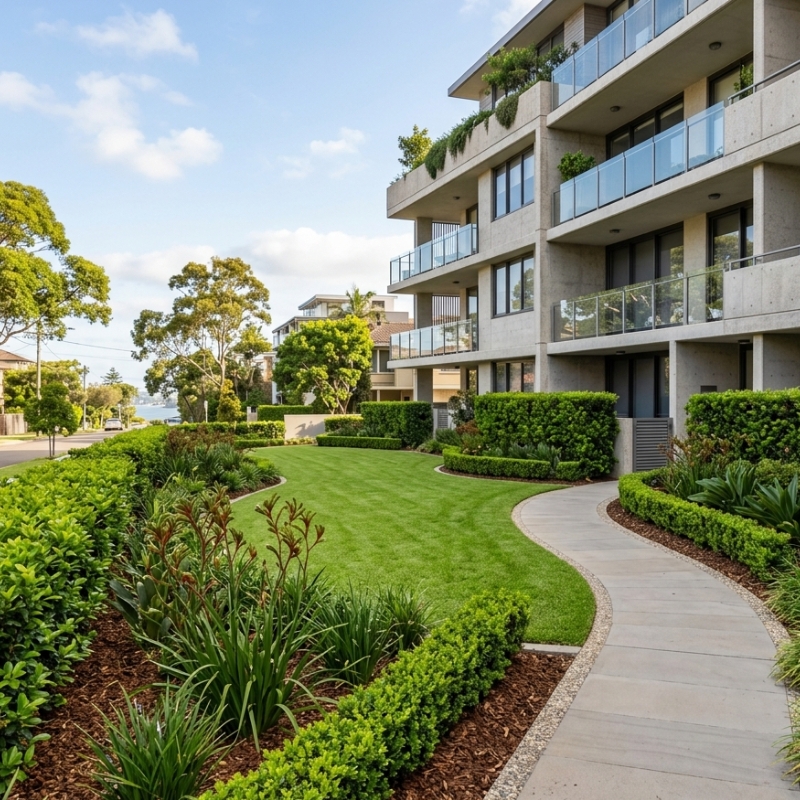
A larger block is a different exercise, with more zones to connect, bigger structural elements, and more scope for features. The process is the same, but there’s more to resolve, which is exactly where a considered design pays for itself. If you want a sense of where garden design is heading, our look at structural landscaping trends is worth a read.
How do you get the most value from a landscape design?
A bit of preparation makes the whole process smoother and the result better. Before you brief a designer, have a think about how you actually want to use the space, whether that’s entertaining, kids, low maintenance, growing things or just somewhere calm to sit. Measure up roughly if you can, note where the sun falls at different times of day, and flag anything you already know you want to keep or lose. The more a designer understands about how you actually live in the space, the sharper that first concept comes back. Collect a few images of gardens you like, and be honest about your budget from the start, because a design built around a realistic figure is one you can actually construct.
It also helps to think about the layout early, since that’s the decision that’s hardest to undo once the garden is built. Our guide on planning a backyard makeover without regretting the layout later is a good primer before you sit down with a designer.
Booking a landscape design consultation with All Green
If you’re weighing up a designed garden, the best first step is a conversation. All Green offers landscape design in Sydney and, because we handle landscape construction, design and build together, we can take your project from concept through to a finished garden. We’ve been designing and building Sydney gardens since 2015 (licence 353827C). Get in touch to book a design consultation, and we’ll talk through your space, your goals and how to get there.
Frequently asked questions
What does a landscape design involve? A considered plan for your outdoor space covering layout, levels, materials, structures like paving and walls, drainage and planting. It solves the practical problems of the site and sets the look, with the decisions made on paper before anything is built.
What are the steps in the landscape design process? Usually a site visit, a brief, a concept plan you refine, a detailed design, an accurate quote, and then the build. The concept stage is where changes are easiest, so it’s worth taking time over.
What shapes the cost of a landscape design project? Site conditions and access, slope and drainage, materials, structural elements like retaining walls and paving, and the scale and maturity of the planting. Hard landscaping is usually where most of a budget goes. A real figure comes from a scoped design and quote.
Does All Green design and build, or just design? Both. All Green handles landscape design and construction together, so the plan and the build stay under one roof from concept through to the finished garden.