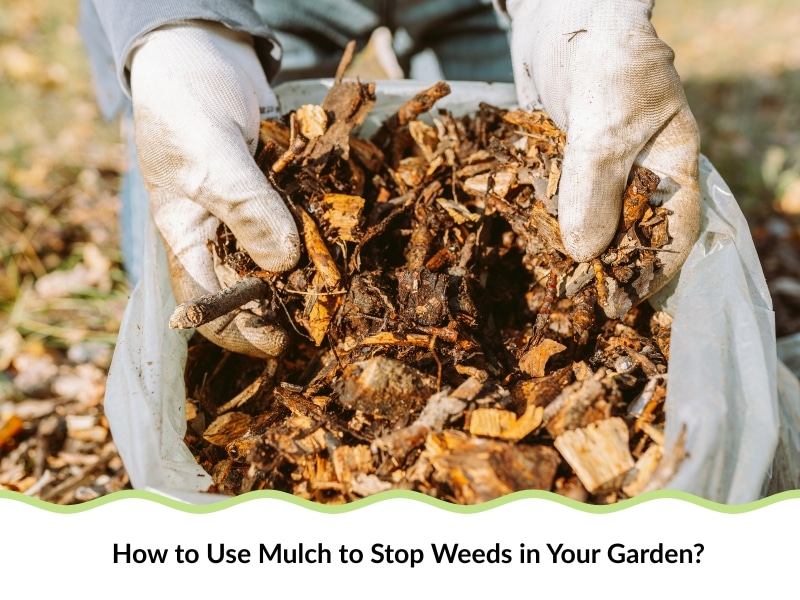
Mulch is one of those handy tricks that gardeners swear by. It neatens up beds, locks in moisture, and — when used properly — keeps weeds from running wild. Still, plenty of gardens end up looking overrun despite a fresh layer of mulch. That’s usually down to how the mulch was chosen or applied rather than the idea itself. The good news? A few small adjustments can make mulch far more effective. This article explores the best ways to use mulch to stop weeds and keep your garden thriving.
What makes mulch fail to control weeds in gardens?
Plenty of gardeners spread mulch and then wonder why weeds pop up again weeks later. The problem usually isn’t bad luck — it’s simple oversights that let weeds slip through. Here are the main reasons mulch fails to control weeds:
- A thin layer lets light sneak through to the soil, sparking weed seeds into life.
- Mulching over live weeds doesn’t kill them; it shelters them with warmth and moisture.
- Mulch that breaks down quickly becomes rich organic matter — perfect food for weeds.
- Digging, watering, or planting without care can stir up buried weed seeds and give them a head start.
Mulch failure often comes down to technique rather than material. When you sort out these weak points, mulch becomes far more effective at keeping weeds under control.
Why cheap or untreated mulch may make weeds worse
It’s tempting to grab the cheapest option when you’re after mulch to stop weeds, but that bargain buy can backfire. Poor-quality or untreated mulch often comes with hidden problems that end up encouraging weeds instead of keeping them out. Here are the main risks of using cheap or untreated mulch:
- Weed seeds can slip into mulch batches and sprout once the mulch hits your beds.
- Fast decomposition gives weeds a quick nutrient boost instead of starving them.
- Poorly treated mulch may attract insects or rodents that stir soil and open space for weeds.
- Some mulch compacts into a soggy mat, locking in water and encouraging weeds to thrive.
Over time, cheap mulch usually ends up costing more effort than it saves. That’s why it makes sense to discover reliable mulching solutions for healthier gardens instead of taking shortcuts.

What makes the wrong mulch choice aggravate weed growth?
Mulch is not a one-size-fits-all fix. Pick the wrong type, and you might as well roll out the welcome mat for weeds. The way different mulches behave in soil can make or break weed control. Here are the ways poor mulch choices make weeds worse:
- Fluffy mulch lets sunlight reach the soil, encouraging hidden weed seeds to sprout.
- Some dyed mulches contain chemicals that disrupt soil balance as they fade.
- Large chunks of bark leave open gaps where weeds push through.
- Half-rotted organic mulch may carry new weed seeds straight into your garden.
Choosing the wrong mulch to stop weeds often leads to more weeds, more work, and more frustration. Matching the mulch type to your garden’s conditions saves hassle in the long run.
Which mulch types actually stop weeds and nourish the soil?
The best mulches do more than smother weeds — they also improve soil health. Some choices tick both boxes, while others fall short. Knowing the difference helps you pick wisely. Here are the mulch types that work best for stopping weeds:
- Coarse wood chips last the distance and form a dense cover that weeds struggle to break.
- Straw mulch suits veggie patches, keeping soil cool while blocking sunlight.
- Compost mulch feeds plants and doubles as a heavy blanket to weigh down seeds.
- Shredded bark meshes tightly, leaving little room for weeds to find daylight.
Comparison of common mulch types and their strengths:
| Mulch Type | Weed Suppression | Soil Improvement | Longevity |
| Wood chips | High | Moderate | Long |
| Straw | Moderate | High | Short |
| Compost | Moderate | Very High | Short |
| Shredded bark | High | Moderate | Medium |
If your aim is soil health and weed control together, compost and bark shine. If you want something that hangs around longer, wood chips win. Many gardeners weigh these options through different types of mulches that improve soil quality.
How to apply mulch correctly to block weeds effectively
Having the right mulch is only half the story — how you lay it makes the real difference. Small mistakes in depth or placement are often the reason weeds come back. Here are the key steps for applying mulch properly:
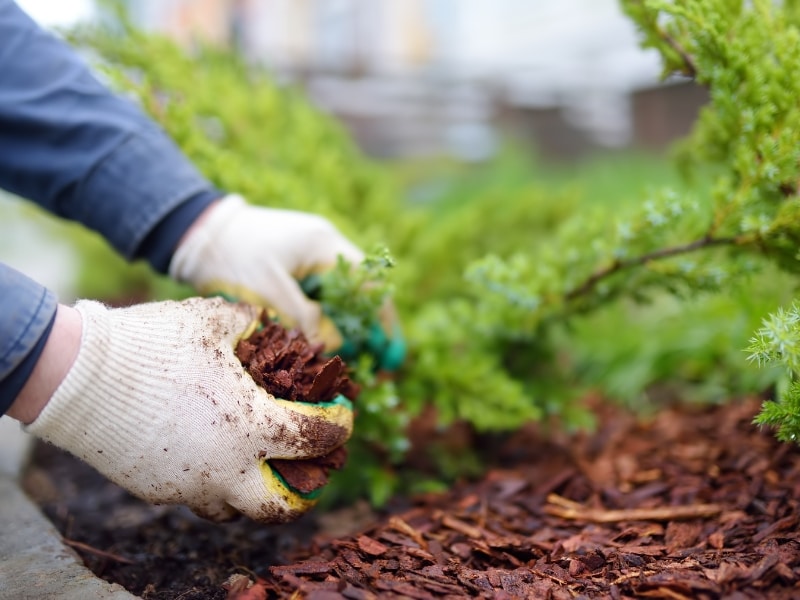
- Spread mulch 5–7 cm deep; any thinner and weeds push through, any thicker and roots suffocate.
- Keep a small gap around stems and trunks so plants don’t rot or attract pests.
- Top up mulch every year, filling thin spots where weeds could sneak through.
- Spread mulch evenly to block sunlight everywhere, not just in the centre of the bed.
Done right, mulch works as a true barrier, not just garden decoration. That’s why gardeners often focus on understanding mulch thickness for healthy soil before putting a shovel to the soil.
What should you consider before choosing mulch for weeds?
Not every mulch suits every garden. Picking without thought often leads to extra weeding, wasted money, and patchy growth. Thinking ahead saves trouble down the track. Here are the factors worth considering before choosing mulch:
- Climate matters — hot weather breaks mulch down faster, while cool conditions keep it around longer.
- Soil type decides how mulch affects drainage, moisture, and nutrient flow.
- Plant types differ — veggies prefer lighter mulches, shrubs and trees handle heavier ones.
- Your goals count — are you chasing looks, soil health, low maintenance, or a mix of all three?
Balancing these points avoids mistakes that undo your hard work. Many gardeners also combine mulch with other practical approaches, like exploring weed control methods for sustainable gardening to keep gardens in top shape for the long haul.
Final thoughts
Mulch is one of the easiest ways to give your garden a solid leg-up. Done right, it locks in moisture, feeds the soil, and keeps everything looking neat and tidy. It’s also a top-notch weed blocker. But here’s the kicker — pick the wrong mulch or slap it on without much thought, and you might end up doing more harm than good. Weeds can sneak back in, and your garden can start to struggle. The key? Think long-term. Go for a mulch that suits your plants and your soil, lay it down properly, and top it up now and then to keep it doing its job. For those who’d rather be sure they’ve got it right, see how All Green Gardening & Landscaping can assist with your mulching needs. Done properly, mulch turns from a chore into an investment in a thriving garden.