
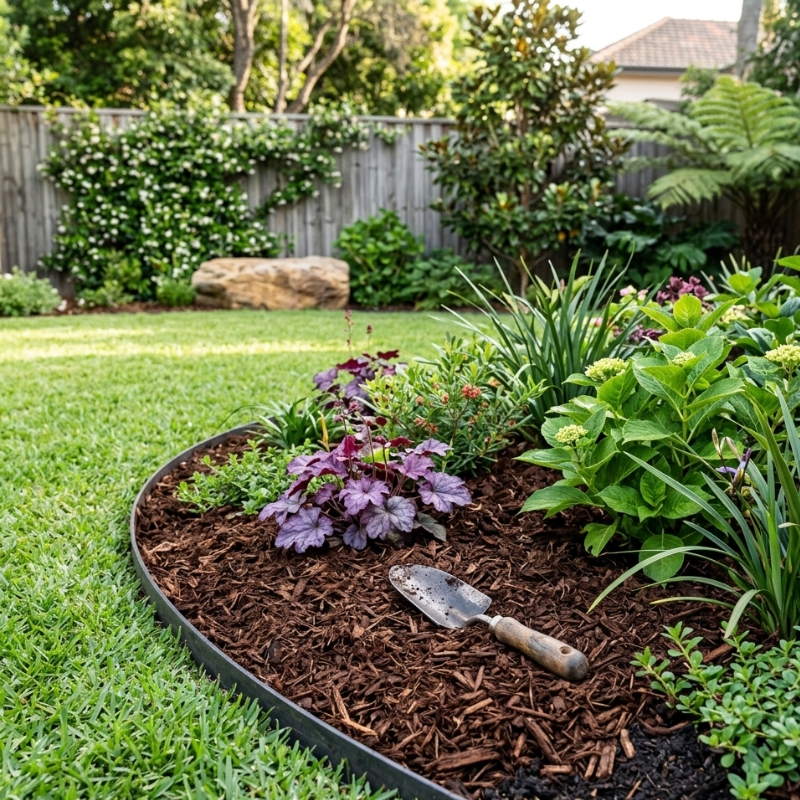
If you’re in Sydney and your garden beds seem to “explode” with unwanted growth after rain, you’re not imagining it. Our warm spells, humid stretches, and sudden downpours create perfect conditions for fast regrowth. The trick isn’t endless weekend battles — it’s building a simple system that reduces how often you need to do weeding in the first place, and makes the next tidy-up quicker when it does pop up. This guide gives you a practical reset, then a prevention plan that keeps beds looking tidy for longer.
You’ll learn:
• why takeovers happen in Sydney beds
• how to reset a bed properly (so it stays reset)
• the prevention stack that reduces regrowth long-term
• quick routines that stop small problems from becoming big ones
• when it’s time to bring in a qualified professional
Why garden beds get taken over in Sydney
Sydney’s climate can push growth for big stretches of the year. Garden beds are especially vulnerable because they often have disturbed soil, sunlight hitting bare patches, moisture from irrigation, and a hidden backlog of seeds and roots waiting for the right moment.
Most takeovers come from a mix of three sources:
1) The seed bank in your soil
Many gardens hold years of dormant seeds. When you disturb soil (digging, edging, planting, topping up compost), you bring seeds closer to the surface where light and warmth trigger germination.
2) Underground spread
Some unwanted plants don’t rely on seed. They spread via runners, rhizomes, bulbs, tubers, or creeping roots. If you remove the top growth but leave the underground “engine”, it will return.
3) New seeds arriving from outside
Seeds blow in from nature strips, neighbouring yards, parks, and even your own lawn. Birds, pets, and mowers move seeds too. Some also hitchhike in mulch, soil, or compost.
Q&A: Why do unwanted plants keep coming back even after I clear the bed?
Because clearing what you can see doesn’t remove the causes: the seed bank, underground structures, and the conditions that let new seedlings establish (light + moisture + bare soil). Long-term control needs a reset plus prevention — the same logic people use when they finally decide they need weeding support in Sydney for persistent takeovers.
The “reset” that makes prevention possible
If a bed is already crowded, the quickest path to long-term control is to reset it properly once, then maintain it lightly. A quick weekly tidy works best after the bed has been thoroughly cleared.
Step 1: Work out what you’re dealing with (seedlings vs spreaders)
Take 2 minutes to observe before pulling.
Seedlings usually:
• pull easily
• have shallow roots
• show up in clusters after rain
Spreading plants often:
• resist pulling
• have thick roots, bulbs, or underground runners
• come back from the same spot repeatedly
• form a “network” under mulch or along edges
Step 2: Clear the top growth, then go after the roots
Remove the bulk so you can see the bed surface. Then focus on roots and runners:
• loosen soil around the base with a hand fork or weeding knife
• pull slowly to lift the whole root system
• for runners, trace sideways and lift sections carefully
• avoid snapping roots and leaving pieces behind (unless you’re committing to follow-up)
Sydney tip: do this 24–48 hours after rain or a deep watering. Damp soil helps you lift more root cleanly. This is also the window many people use to “get ahead” before deciding they need to get help with stubborn regrowth.
Step 3: Remove the seed-friendly “nursery layer” where it builds up
Many beds develop a top layer of decomposed mulch, dust, fallen leaves, and old potting mix. It holds moisture and is perfect for germination.
You don’t always need to replace soil. Often, it’s enough to:
• rake out heavily decomposed organic matter where seedlings are thickest
• remove leaf litter piles that stay damp
• tidy the surface and then top up mulch
Step 4: Rebuild the bed surface to block light
This is where most DIY plans fall short. A thin sprinkle of mulch looks neat but doesn’t block light well enough.
A strong weed-suppression surface includes:
• a tidy, level soil surface
• correct mulch depth
• minimal gaps around plants
• edges that prevent invasion from the lawn
If you aim to keep garden beds under control long term, the surface rebuild matters as much as the initial clear-out.
Q&A: What’s the fastest way to reset an overgrown bed without it coming straight back?
Clear the bulk, remove roots (not just tops), tidy the nursery layer, then apply correct mulch depth and fix edging so lawn runners can’t reinvade. Finish with a simple 10-minute weekly check so seedlings never mature. That’s the same pattern many pros follow when providing weeding support in Sydney — reset first, then maintain.
The prevention stack that works in Sydney gardens
No single trick lasts forever. The most reliable results come from stacking a few controls so each covers the others’ weaknesses.
1) Mulch depth that actually suppresses regrowth
Mulch blocks light and moderates surface moisture, but only if it’s thick enough.
A practical guide for many ornamental beds:
• 7–10 cm of mulch (after settling)
• keep it slightly lower around delicate seedlings
• top up as it breaks down
Common mulch mistakes that invite takeovers:
• spreading mulch too thin (light still hits the soil)
• piling mulch against stems (invites rot and pests)
• mixing mulch into soil (creates a perfect germination mix)
• using very fine mulch that breaks down quickly into seed-friendly compost
If you’re trying to keep garden beds under control, check mulch depth monthly during faster growth periods.
2) Stop water from feeding the problem
Many bed takeovers are irrigation problems disguised as “weed problems”.
Check for:
• sprinkler overspray hitting beds daily
• leaks in fittings or drip lines
• irrigation running too long or too often
• water pooling in low spots
Small changes help a lot:
• adjust sprinklers so lawn gets lawn, beds get beds
• use drip irrigation in beds where possible (water plants, not empty soil)
• water early morning rather than evenings (less time sitting damp overnight)
This is one of the simplest ways to reduce the need to get help with stubborn regrowth later.
3) Close the gaps with dense planting or groundcovers
Bare soil is an invitation. Beds with open spaces will keep sprouting.
Think in layers:
• feature shrubs or taller plants
• mid-layer plants to shade the soil
• groundcovers to fill gaps and reduce open surface
If you prefer a minimal look, you can still reduce bare soil by:
• tightening plant spacing
• extending mulch coverage
• using decorative gravel in specific areas (with correct base prep)
The more shade and coverage you create, the easier it is to keep garden beds under control.
4) Fix the edge where most invasions start
A huge share of “bed weeds” are actually lawn grass and runners creeping in.
Signs edging is the issue:
• unwanted growth in a line along the border
• runners appearing under mulch
• lawn gradually narrowing your bed over months
Practical edge options:
• a trench edge you re-cut periodically
• a mower strip (hard edge that’s easy to keep clean)
• properly installed edging (metal/plastic) with adequate depth into soil
• dense border planting that acts as a living barrier
If you only do one prevention upgrade this season, improve the edge. It reduces reinvasion and helps keep garden beds under control with less effort.
Q&A: How thick should mulch be to stop unwanted plants?
For many Sydney ornamental beds, 7–10 cm (after settling) is a useful guide. Thinner layers often look tidy but allow light through, so new seedlings keep appearing — which is why people end up seeking weeding support in Sydney when mulch has thinned out over time.
Weed mat and landscape fabric: helpful tool or future headache?
Weed mat feels like “set and forget”, but it depends on where and how it’s used.
It can help when:
• it’s under hardscape areas (paths, decorative gravel) with proper base prep
• it’s installed tightly with overlaps (no gaps)
• the top layer is maintained so organic matter doesn’t build on top
It often fails in garden beds because:
• mulch breaks down on top and becomes a new growing layer
• roots grow through fabric, making future removal messy
• it reduces flexibility for planting and soil improvement
• it can clog and reduce water/air movement over time
If your goal is healthier soil and easier planting, thick mulch plus dense planting usually performs better than fabric in most garden beds — and makes it easier to keep garden beds under control without constant intervention.
A simple Sydney maintenance routine (10–20 minutes a week)
The secret to low-effort control is timing. Pulling tiny seedlings takes seconds. Pulling mature plants takes time, tools, and frustration.
Weekly (or fortnightly) micro-routine
Walk the beds with gloves and a small tool:
• pull seedlings immediately (especially after rain)
• lift runners before they root deeply
• rake mulch back over exposed soil
• remove leaf litter piles that become seed nurseries
• check the border line for creeping lawn
This micro-routine is often the difference between “easy upkeep” and “I need to get help with stubborn regrowth”.
Monthly “edge and mulch” check
• re-define the bed edge (or tidy along edging)
• top up thin mulch patches
• check for irrigation overspray or leaks
• look for repeat offenders returning from roots
If you’re consistent, you’ll naturally reduce the amount of weeding needed and keep garden beds under control with shorter, easier sessions.
Seasonal reset moments in Sydney
Consider a bigger tidy:
• after a wet spell with strong growth
• at the start of warmer months when growth accelerates
• after major pruning or planting (disturbed soil triggers germination)
If you’d rather skip the heavy reset and start from a clean slate, some homeowners choose weeding support in Sydney to get the bed back to “easy mode”.
Problem-child scenarios and what to do
Different beds need different tactics. Here are the most common takeover patterns and the simplest fixes.
Scenario 1: The bed is mostly bare soil
Best approach:
• remove current growth thoroughly
• apply correct mulch depth
• add dense planting or groundcovers over time
• reduce irrigation hitting open soil
Bare soil will always re-sprout. Your goal is to reduce the amount of exposed surface to keep garden beds under control with less effort.
Scenario 2: The bed is full of shrubs, but growth appears underneath
Best approach:
• Thin leaf litter build-up
• Top up mulch (it often decomposes faster under shrubs)
• Reduce watering frequency if the bed stays damp
• Use a narrow tool to lift roots without disturbing shrub bases
This is a common point where people feel they’ve “done everything” and decide to get help with stubborn regrowth because access is fiddly. Understanding the impact of roots can help in managing soil and drainage issues effectively.
Scenario 3: Growth keeps coming back from the same spots
This often suggests underground structures (bulbs/rhizomes/runners) or a persistent seed source.
Best approach:
• loosen soil deeper and remove the underground engine
• monitor those spots weekly for a month
• consider whether imported soil/mulch introduced seeds
• keep mulch thick and intact
If you’re repeatedly fighting the same patch, a thorough reset can be more efficient than repeated partial clears. That’s where it can make sense to get help with stubborn regrowth so the reset is done properly and you can return to light upkeep.
Scenario 4: The invasion is coming from the lawn edge
Best approach:
• improve edging depth/definition
• re-cut a trench edge periodically (if that’s your style)
• remove runners fully, not just visible tops
• maintain a clean border line so new runners are obvious
Edge work is one of the fastest ways to keep garden beds under control without increasing your weekly workload.
Scenario 5: You suspect invasive weeds
If you think you’re dealing with an invasive plant, it’s worth checking NSW guidance on identification and control. Here’s a good starting point: NSW Government weeds guidance.
When it’s time to call in a qualified professional
Some situations are genuinely hard to win with casual DIY, especially if time is tight or the bed has been neglected.
| When to call in a qualified professional | Why it matters |
| Roots keep snapping, and regrowth is constant | Hidden weeds, roots, or desirable plants may be removed accidentally. |
| You have extensive runner invasion on the lawns | Broken roots can keep re-sprouting and make the problem worse. |
| You have extensive runner invasion on the lawns | Runners can spread quickly and are hard to remove completely by hand. |
| You’re unsure if a plant is invasive or requires special handling | Some weeds need specific removal methods to prevent spreading. |
| Access is difficult, such as tight spaces, heavy groundcover, or steep areas | Difficult access increases the time, effort, and risk of injury. |
| You want a thorough reset plus a plan you can maintain easily | A professional can clear the bed and set up a simpler maintenance routine. |
If your goal is consistency, a solid reset followed by occasional upkeep is often the easiest way to keep garden beds under control through Sydney’s faster-growing periods.
Even if you stay DIY, it helps to think like a pro: reduce conditions that trigger regrowth, then maintain lightly — the same approach behind effective weeding support in Sydney.
FAQs
What’s the best way to stop unwanted plants in garden beds without chemicals?
Use the prevention stack: remove roots properly, apply thick mulch, reduce irrigation overspray, close gaps with dense planting, and fix edging so runners can’t invade. Then do quick weekly checks so seedlings never mature. This is how many people keep garden beds under control without relying on sprays.
Why do unwanted plants surge after rain in Sydney?
Rain triggers germination from the soil seed bank and softens the soil, so roots establish quickly. Warm temperatures accelerate growth. After rain is the best time to pull seedlings early before they anchor in — it reduces the chance you’ll need to get help with stubborn regrowth later.
Should I pull unwanted plants or spray them?
For garden beds, removal is often best for small patches and around desirable plants because you can remove roots and avoid collateral damage. For larger infestations or persistent regrowth, seek qualified advice and follow label directions and local guidance. If the bed is dense or tricky, some people choose weeding support in Sydney for a safer, more controlled reset.
How do I stop lawn grass from creeping into garden beds?
Improve the edge. Options include a trench edge you maintain, deeper edging installed correctly, or a mower strip. Then remove runners fully (trace and lift them), and keep the border clean so new growth is easy to spot. Edge control is a cornerstone if you want to keep garden beds under control.
Do I need to replace my soil to stop unwanted plants?
Not usually. Most takeovers are about conditions (light, moisture, gaps) and the seed bank. A thorough reset, tidying the surface layer, and rebuilding mulch depth is often enough. If you keep seeing the same patch return, that’s when people decide to get help with stubborn regrowth to remove the underground engine properly.
How often should I top up mulch in Sydney?
It depends on the mulch type, shade, and rainfall. In warm, wet periods, mulch can break down faster. Check monthly for thin patches and top up before bare soil appears — it’s one of the easiest ways to keep garden beds under control.
Why do unwanted plants grow through mulch?
Mulch that’s too thin lets light reach the soil. Also, decomposed mulch can become a germination layer if it isn’t topped up. Some plants spread from roots or runners under the mulch, which is why proper removal plus prevention works better than constant surface-level weeding.
What’s the easiest low-maintenance strategy overall?
Do one proper reset, fix the edge, apply correct mulch depth, and commit to quick weekly seedling removal for a month. After that, fortnightly checks are usually enough. If you want to shortcut the heavy reset, weeding support in Sydney can get you to the “maintenance only” stage faster, and help keep garden beds under control through the toughest growth periods.
Quick recap: the plan that lasts
If you want results that hold up in Sydney conditions:
• reset once properly (remove roots and runners)
• rebuild the surface with the correct mulch depth
• fix irrigation overspray and damp hotspots
• improve edges so the lawn can’t invade
• close gaps with planting or groundcovers
• do short weekly checks after rain
Do that, and you’ll dramatically reduce how often you need to do weeding, you’ll be far less likely to need to get help with stubborn regrowth, and you’ll find it much easier to keep garden beds under control year-round.