
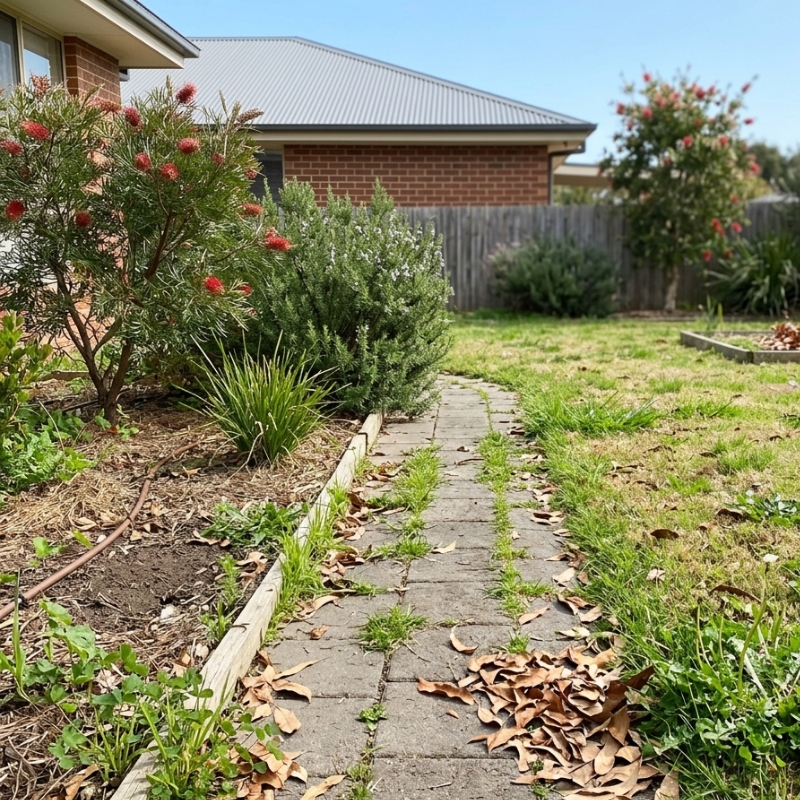
A well-kept garden feels effortless, yet the line between “lush” and “neglected” can blur fast in Sydney’s stop-start weather. One month of heavy rain followed by hot westerlies is enough for weeds to surge, mulch to thin and turf to brown off. Spotting the danger signs early keeps costs, labour and landfill waste down. If you’d rather spend weekends enjoying your yard than wrestling green waste, start by learning how to read the garden’s “SOS” messages. In this guide, we’ll walk through common red flags, what you can safely handle yourself and when a timely garden maintenance service prevents small jobs from snowballing into a pricey overhaul.
1. Visual Red Flags Homeowners Often Miss
Even attentive gardeners can overlook slow, creeping decline. Run through this quick checklist each month:
| Checkpoint | Why It Matters | Quick Test | Next Step |
| Mulch depth under 5 cm | Thin mulch dries soil, boosts weeds | Dig a finger into the layer | Top up or replace |
| Edges encroaching paths | Signals turf or ground covers out of control | Measure path width and compare to plan | Re-edge or cut back |
| Dead patches in lawn | May hide compaction, pests or shade stress | Tug gently on browned turf | Aerate, reseed or investigate insects |
| Shrubs touching windows or gutters | Encourages moisture, pests and blocked drainage | Check for leafy contact | Prune to clear 30 cm gap |
| Soil pulled away from retaining walls | Early sign of erosion or drainage failure | Look for gaps or exposed footings | Improve drainage, consider professional advice |
Ignoring these early cues lets problems multiply. A 20-minute edge trim today beats relaying an entire path later.
2. Seasonal Triggers Unique to Sydney’s Climate
Sydney’s humid summers and surprise downpours accelerate growth − and decay. Key periods to watch:
Summer
• Rapid evaporation means shallow-root weeds dominate bare soil.
• Heat-stressed plants drop leaves, adding fuel for fungal disease.
Autumn
• Warm soil plus regular rain sparks a second weed wave.
• Fallen leaves can smother turf and invite lawn grubs.
Winter
• Growth slows but moisture lingers, increasing mould on shaded pavers and decks.
Spring
• Everything explodes at once. Neglected pruning now leads to tangled canopies blocking light to lawns beneath.
Timing clean-ups around these windows prevents a backlog. Pair this calendar with Sydney councils’ green bin schedules so debris is collected promptly.
3. DIY Tidy-Up Tasks vs Professional Jobs
Some chores only need gloves and persistence. Others call for experience, tools and safe green-waste disposal. The table below separates the two:
| Task | DIY Friendly When… | Warning Signs It’s Time for a Pro |
| Hand weeding beds | Weeds are young, soil moist | Widespread couch or kikuyu runners, deep tap-roots, weeds seeding |
| Re-mulching | Area under 20 m², mulch bagged and accessible | Steep slopes, erosion issues, mulch delivery required |
| Lawn edging | Straight borders, limited roots | Metal or brick edging lifting, complex curves, tree roots present |
| Shrub pruning | Stems under thumb thickness | Branches near power lines or over 3 m high, fruit tree structure cuts |
| Green waste removal | Fits in council bin | Trailer loads, palm fronds, or contaminated waste needing sorting |
Balancing effort with outcome keeps weekends sane and plants healthy. For common homeowner slip-ups, see our in-depth look at garden maintenance mistakes Sydney homeowners make.
4. Common Mistakes That Make Clean-Ups Harder Later
- Ignoring invasive runners – Kikuyu and oxalis spread underground; delay gives them a backyard beachhead.
- Leaving grass clippings in gutters – Perfect breeding ground for mozzies and blockages come storm season.
- Piling mulch against trunks – Traps moisture and leads to collar rot. Keep a 5 cm gap.
- Over-pruning in late summer – New growth won’t harden before first cold snap, leaving wood vulnerable.
- Skipping soil check – Compacted beds repel rain, sending water down storm drains instead of roots.
Correcting these after a season costs far more than preventing them.
5. Questions to Ask Before You Roll Up Your Sleeves
• How much green waste will this generate and where will it go?
• Do I need council approval for heavy pruning or verge works?
• Are power lines, irrigation pipes or neighbours’ fences at risk?
• Will I realistically finish this in one weekend?
• Could delayed action impact property value or safety?
A clear scope and timeline save frustration and half-done jobs.
6. Sustainable Tidy-Up Practices
Sydney councils push for less landfill and smarter water use. Adopt these habits:
• Shred prunings for on-site mulch where disease-free.
• Compost leaf litter to return nutrients.
• Choose coarse, recycled wood chip mulch to reduce evaporation.
• Divert roof runoff to rain-gardens or barrels for hand-watering new plantings.
• Dispose of weeds responsibly − some species spread from green bins if seed heads mature. The NSW EPA outlines correct treatment for different weed classes in its guide to garden organics recycling.
7. When a Professional Clean-Up Makes Financial Sense
Bringing in a qualified team isn’t indulgent; it can be cheaper than DIY when:
• Access requires bobcats, chainsaws or skip bins.
• Steep blocks pose safety risks with ladders or brush-cutters.
• You’re preparing property for sale and need fast, tidy curb appeal.
• Repeated weed failures hint at soil, drainage or design flaws requiring diagnosis.
• You value weekends over wrestling jacaranda waste and sandstone steps.
A soft autumn or spring booking often attracts better availability before peak summer demand.
Frequently Asked Questions
1. How often should a Sydney garden get a full clean-up?
Most residential gardens benefit from a thorough tidy-up at least twice a year: once in early spring to reset after winter, and again in late summer or early autumn to prepare for cooler rains. Smaller courtyard gardens may cope with one deep clean if regular monthly maintenance is in place.
2. Can I spread fresh mulch straight over weeds?
Only if weeds are removed first or suppressed with thick wetted cardboard. Spreading mulch over live weeds rarely smothers vigorous species like buffalo runners; they simply push through.
3. Is green waste compostable at home?
Soft prunings, leaves and grass clippings are ideal. Avoid thick palm fronds, woody branches over 1 cm and any plant with active seed heads unless you have a hot compost turning above 55 °C to kill pathogens and seeds.
4. What’s the safest way to prune shrubs near power lines?
Stay at least 1 m from live wires and use insulated tools. If branches are within arm’s reach of lines, hire a Level 2 arborist ‑ the fines and risks of accidental contact are significant.
5. How do I know if mulch is too old?
A sour, ammonia smell or white fungal smears suggest anaerobic decomposition. Spread it thinly to gas off or replace it. Well-aged mulch should smell earthy, not acrid.
Wrapping Up
Catching early warning signs saves Sydney homeowners money, water and headaches. A light trim, weed and mulch today prevents losing weekends to rescue missions later. If the workload feels bigger than your calendar, booking a seasonal garden clean-up keeps outdoor spaces thriving and ready for the next barbecue rather than the next blow-out task list.