
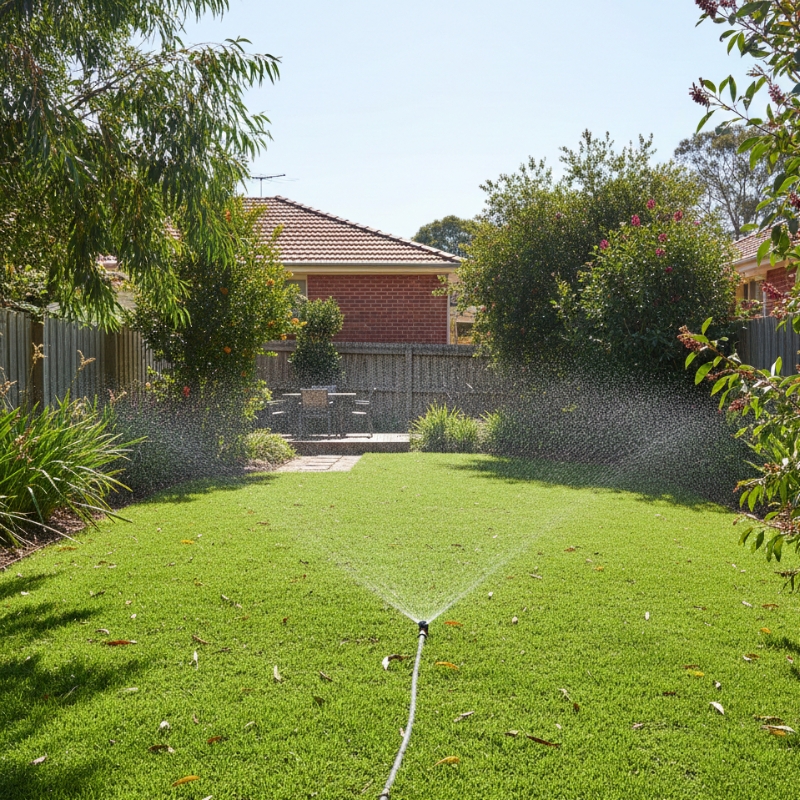
Seeing new turf dry out can be stressful, especially after you’ve just invested time and money into a fresh lawn. In Sydney, this worry is common — not because turf is poor quality, but because our climate is demanding. Hot days, dry winds, reflective paving, and sudden weather swings all hit new turf harder than established grass. It’s also why good preparation and timing matter so much with turf laying — new turf needs the right conditions from day one to cope with Sydney heat and wind while it establishes.
What “normal” drying looks like vs signs you need to act
New turf doesn’t behave like an old lawn. It hasn’t rooted yet, so it reacts quickly to heat and wind.
A simple way to assess what you’re seeing is to think in three checks:
• Spread: is it just edges or one area, or the whole lawn?
• Timing: Does it improve after watering, or stay dry no matter what?
• Behaviour: does the turf feel cool and flexible, or brittle and light?
Quick check: when drying is a warning sign
Treat it as more than a normal establishment if you notice any of the following:
• Turf edges curling or lifting
• Footprints staying visible after you walk across them
• Turf feels light or hollow when pressed
• Dry patches that don’t respond to watering
• Colour shifting from green to dull grey or straw-like brown
• The same areas are drying repeatedly, especially in wind-exposed spots
Q&A: Can new turf look dry but still be alive?
Yes. New turf can look stressed before it’s actually damaged. If the underside and soil beneath are still moist, recovery is very possible. Problems start when the contact zone dries out for extended periods.
Why Sydney’s heat and wind affect new turf so quickly
Heat alone is challenging, but wind is often the hidden factor. Together, they accelerate moisture loss in ways many homeowners underestimate.
Key reasons new turf dries faster:
• Roots are shallow and not yet drawing moisture from deeper soil
• Wind strips moisture from the leaf surface continuously
• Hot air increases evaporation from the soil beneath
• Raised edges and seams allow air to dry the underside
• Reflective heat from paving, fences, and walls adds extra stress
In Sydney, coastal breezes, western suburb heat, and exposed blocks all intensify these effects.
The most important concept: protecting the contact zone
Most turf failures during hot weather happen because watering focuses on the leaf, not the soil beneath.
What matters most during establishment is keeping the thin layer of soil under the turf consistently moist. This is where roots need to grow into. If this zone dries out, the turf can’t anchor or rehydrate properly, no matter how green it looks briefly after watering.
A useful mindset shift:
• Leaves drying = stress
• Soil drying = danger
If you’re unsure what’s allowed in your suburb — especially during hot, dry periods — Sydney Water outlines current outdoor watering times and restrictions in its Water Wise Guidelines.
Q&A: Should I water more often or for longer?
Early on, frequency matters more than depth. Short, well-timed watering that prevents drying between turf and soil is more effective than infrequent heavy watering that runs off or misses dry patches.
How to manage watering during hot, windy conditions
Rather than a fixed schedule, think in stages and adjust based on weather and turf response.
Early establishment phase
Goal: prevent drying underneath the turf.
• Water early in the morning so the soil is moist before the heat builds
• Check again in the afternoon on hot or windy days
• Focus extra attention on edges, corners, and exposed sections
• Avoid letting the turf dry out between waterings
Transition phase
Goal: support rooting without stress.
• Gradually reduce watering frequency
• Increase depth slightly as roots begin to take
• Continue monitoring windy days closely
• Avoid large gaps between watering during heatwaves
After anchoring begins
Goal: encourage deeper root growth.
• Move toward deeper, less frequent watering
• Avoid daily light watering long-term
• Keep monitoring during extreme heat or strong winds
Q&A: Is it okay to water during the day?
Early morning is best, but during extreme heat and wind, a short afternoon top-up can prevent damage. The aim is to stop the soil from drying out completely, not to soak the lawn repeatedly.
Wind exposure: why some areas dry faster than others
If parts of your lawn dry out faster, wind exposure is often the reason.
Common high-risk areas include:
• Coastal-facing yards
• Elevated or sloped blocks
• Open rear yards without fencing or planting
• Edges near driveways, paths, or walls
Ways to reduce wind impact temporarily:
• Use portable screens or shade cloth for the first week
• Position pot plants or garden furniture as wind buffers
• Avoid mowing or walking on turf during strong winds
• Press down edges gently after watering to maintain contact
These small steps can significantly slow moisture loss during the most vulnerable period.
Common causes of persistent drying (and what they usually mean)
Uneven water distribution
Often, sprinklers miss corners or overlap poorly.
Clues:
• Repeating dry patches
• Turf drying in straight lines or arcs
• Areas near edges suffer first
Water-repellent soil
Some Sydney soils resist water, especially after long dry spells.
Clues:
• Water beads on the surface
• Runoff occurs quickly
• Soil beneath turf stays dry despite watering
Poor soil contact
Air gaps beneath turf prevent moisture transfer.
Clues:
• Turf feels spongy or lifts easily
• Drying appears despite regular watering
• Uneven surface underfoot
Heat reflection
Paving, fences, and walls can raise surface temperatures significantly.
Clues:
• Turf dries faster near hard surfaces
• Edges scorch before central areas
• Damage increases during still, hot afternoons
Q&A: Why do the same spots keep drying out?
Repeated drying usually points to coverage gaps, soil issues, or contact problems. Simply increasing watering volume rarely fixes the underlying cause.
A simple inspection walk you can do this week
You don’t need tools — just time and attention.
Step 1: Feel the turf
• Press gently with your hand
• Note areas that feel dry, light, or warm
• Compare shaded vs exposed zones
Step 2: Check edges and seams
• Look for lifting or curling
• Inspect joints between rolls/slabs
• Press edges down after watering if needed
Step 3: Observe water behaviour
• Watch where water pools or runs off
• Identify areas that stay dry longer
• Adjust sprinkler position accordingly
Step 4: Test anchoring (after the first couple of weeks)
• Gently tug a corner
• Resistance means roots are starting to establish
• Easy lifting means it still needs close moisture management
What to avoid while the turf is establishing
• Don’t fertilise stressed turf during heat
• Don’t mow before anchoring
• Don’t rely on light rain as “watering”
• Don’t allow pets or heavy traffic early
• Don’t ignore recurring dry patches
Mistakes during the first few weeks are the most common reason new turf struggles long-term.
When drying points to a bigger issue
Sometimes drying isn’t just weather-related. Take it seriously if:
• Turf repeatedly dries despite correct watering
• Edges won’t stay flat
• Large sections feel hollow or uneven
• Soil never seems to hold moisture
• Stress worsens instead of stabilising
In these cases, understanding how turf should be set up and supported can help you identify what’s missing. Reviewing best practice for professional turf laying in Sydney gives useful context for what healthy establishment looks like from the ground up.
Preventing future stress once the turf settles
Long-term resilience comes from encouraging deeper roots and stable moisture patterns.
Helpful habits:
• Transition to deeper watering once anchored
• Maintain even sprinkler coverage
• Reduce reflective heat where possible
• Keep edges well-supported
• Monitor soil moisture during heatwaves
If you’re unsure whether your turf is progressing as it should, comparing your situation against proper new turf installation guidance can highlight issues early — before they become costly to fix.
Final FAQs for Sydney homeowners
How long does new turf stay vulnerable to drying?
Typically, the first few weeks are the most critical. Heat and wind can extend this period, especially in exposed sites.
Is brown turf always dead turf?
No. Many lawns recover once moisture and contact are restored, particularly if the roots haven’t fully dried out.
Does wind matter more than heat?
Often yes. Wind accelerates moisture loss even on mild days, making it a major factor in Sydney.
When should I stop daily checks?
Once the turf resists a gentle tug and maintains colour between waterings, you can ease off frequent inspections.
When is professional input worth considering?
If drying keeps returning despite adjustments, or if the base, soil, or levels seem off, getting expert turf advice for Sydney homes early can prevent ongoing frustration.