
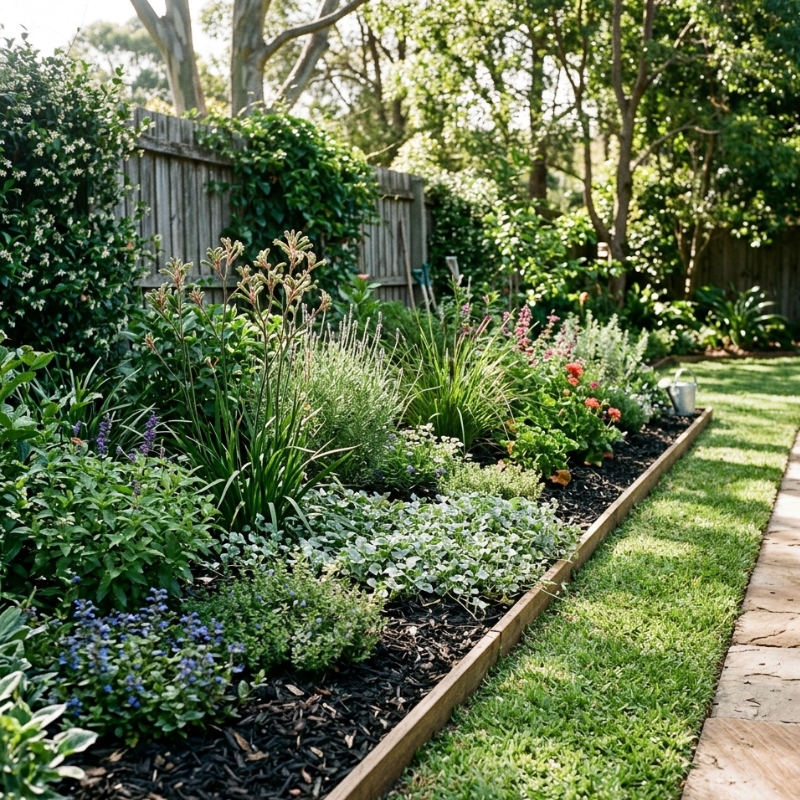
Sydney gardens can feel like they have a memory. You do some weeding and clear an area, it looks great for a week or two, and then—almost overnight—fresh green shoots appear in the exact same spots. It’s frustrating, but it’s rarely a mystery. In most home gardens, repeat regrowth is a predictable response to three drivers:
• What’s happening in your soil
• How water is landing (and lingering)
• How much light reaches the ground (and when)
When you understand those drivers, you stop “fighting the garden” and start changing the conditions that make regrowth inevitable—especially in Sydney, where warm seasons, coastal humidity, and rain bursts can accelerate growth.
Before you change anything, identify what “coming back” actually means
Not all repeat growth behaves the same. The cause (and fix) depends on whether you’re dealing with seedlings, runners, or re-sprouting plants.
1) Seedlings: lots of tiny plants across bare patches
If you see many small, similar-looking shoots across an area, you’re usually dealing with germination from the soil’s seed bank (more on that shortly). This often flares after rain, soil disturbance, or when the mulch is too thin.
2) Runners and creepers: growth that “travels” from edges
If it’s creeping in from lawn edges or spreading sideways, you’re likely seeing stolons, rhizomes, or runners. In Sydney, vigorous turf grasses can invade garden beds quickly—especially after fertilising or consistent watering.
3) Re-sprouts: the same plant returning from the same base
If a clump or stem reappears from the same spot, the root system probably wasn’t fully removed (or it’s a species that re-shoots aggressively). Cutting or pulling the top can actually trigger stronger regrowth in some plants.
A quick self-check (Q&A)
How do I know if it’s seeds or roots?
If growth is widespread and fine-textured, think seeds. If it’s coming from one point or creeping from an edge, think roots/runners.
Soil: the hidden engine of regrowth
Soil isn’t just dirt. It’s a living system—and it remembers. The two biggest soil-related reasons unwanted growth keeps returning are the seed bank and disturbance.
The soil seed bank: thousands of “maybes” under your feet
Most garden soils contain an enormous number of dormant seeds. They can sit for months or years waiting for the right moment. That moment is often:
• Sunlight reaching the soil surface
• Moisture after rain or irrigation
• A temperature shift (common in seasonal change)
• Soil disturbance that brings buried seeds closer to the surface
In Sydney, a warm spell followed by rain can trigger a sudden flush of germination. If the soil is exposed, you’ll notice it fast.
Disturbance: why “clearing” can create a rebound
Digging, raking, or pulling plants can unintentionally set the stage for the next wave by:
• Exposing bare soil
• Breaking up surface crusts that were limiting germination
• Bringing buried seeds into the top few centimetres
• Creating little pockets where water collects
This is why gardens often look worse two to three weeks after a big tidy-up—especially if the ground is left uncovered.
Nutrients: when the garden gets a “growth signal”
Nutrient-rich conditions favour fast-growing opportunists. If you’ve recently:
• Added compost or manures
• Applied lawn fertiliser near beds
• Used liquid feeds broadly
• Mulched with very nutrient-rich material
…you may have unintentionally created a perfect runway for regrowth. The goal isn’t to avoid healthy soil—it’s to direct those benefits to your chosen plants, not to whatever pops up first.
Soil structure and drainage: compaction makes the problems patchy
Compacted soil can cause two opposite issues that both encourage repeat growth:
• Water sits on the surface longer, encouraging shallow-rooted opportunists
• Water runs off to low points, creating “hotspots” where growth explodes
In many Sydney yards—especially on clay-heavy sites or areas walked on frequently—compaction leads to predictable regrowth strips along paths, fence lines, and under taps.
Practical soil moves that reduce regrowth
• Cover bare soil quickly (mulch or groundcovers)
• Disturb soil less often, and more gently
• Keep nutrient additions targeted around desired plants
• Improve soil structure with organic matter over time (not in one big dump)
Watering: it’s not just “how much”—it’s where it lands
A common Sydney pattern is watering that’s technically “reasonable,” but applied in a way that favours unwanted regrowth.
Overspray: the invisible irrigation problem
Sprinklers often hit garden bed edges, fence lines, and corners more than you realise. Those wet margins become consistent germination zones. If regrowth is worse:
• along the lawn–bed border
• beside paths
• near the letterbox or front edge
• under a tap or downpipe
…watering placement is likely contributing.
Frequent shallow watering encourages fast rebound
Short, frequent watering keeps the top layer of soil moist—exactly where many unwanted seedlings establish. In contrast, deeper, less frequent watering encourages deeper roots in your chosen plants and leaves the surface drier between cycles.
Rain bursts and runoff: Sydney’s “flush and fade” cycle
Sydney often gets rain events that saturate the soil quickly, followed by warm, bright days. That combination can:
• trigger mass germination
• accelerate growth of young shoots
• then stress shallow-rooted plants when the surface dries
The result is a repeating pattern of “everything comes up” after rain.
A watering Q&A block
Does overwatering cause more regrowth?
It can, but the bigger issue is inconsistent moisture at the surface. Even moderate watering can boost regrowth if it keeps the top layer damp and exposed to light.
Should I water garden beds at night?
Early morning is usually better. Night watering can leave foliage wet longer, which may increase disease pressure. The key is watering in a way that suits your desired plants, not the fast colonisers.
Sunlight: the trigger most people underestimate
Light doesn’t just help plants grow—it signals seeds to germinate. Many seeds are “photoblastic,” meaning light exposure helps activate germination. When you open up sunlight to the soil surface, you effectively tell dormant seeds it’s time.
Light gaps: why clearing can backfire
If you remove groundcover, prune shrubs hard, or clear a bed right down to soil, you create:
• a bright soil surface
• warmer soil temperatures
• less competition for space
That’s the trifecta for rapid regrowth.
Seasonal sun angles in Sydney
In Sydney, winter sun sits lower, which can change where light falls. An area that’s shaded in summer can receive direct winter light—sometimes enough to trigger a different wave of growth. Then summer returns, and the cycle shifts again.
Reflected heat: walls and paving create microclimates
Courtyards, north-facing brick walls, and paved edges can reflect heat and light onto nearby soil. You may notice regrowth is strongest:
• along driveways
• near retaining walls
• beside light-coloured paths
This is less about “bad luck” and more about an intense microclimate.
Sunlight Q&A block
If I shade the soil, will regrowth stop?
It often reduces dramatically, especially for seedling-driven regrowth. But creepers and re-sprouters can still return. Shading is most effective when combined with mulch depth and edge control.
The prevention stack: change the conditions in the right order
If you only take one idea from this guide, make it this: regrowth drops when you stack simple changes in a smart sequence.
Step 1: Reduce bare soil time
Bare soil is an invitation. Aim to keep soil covered for as much of the year as possible.
• Mulch (correct depth matters)
• Groundcovers
• Dense planting
• Leaf litter in naturalised areas (where appropriate)
Step 2: Tighten watering zones
• Adjust sprinklers to avoid overspray onto beds
• Water deeper, less often (depending on plant needs)
• Fix leaks and dripping taps
• Redirect downpipes where runoff is creating hotspots
Step 3: Increase competition
A garden bed with open gaps will always be “recruited” by opportunistic plants. Increasing competition can be as simple as:
• thicker mulch
• more groundcovers
• edging that stops lawn creep
• letting shrubs fill in rather than keeping everything clipped back hard
Step 4: Disturb less, spot-fix more
Frequent, broad disturbance keeps waking the seed bank. Instead:
• remove small growth early
• avoid turning whole beds repeatedly
• focus on edges, hotspots, and light gaps
If you’re seeing ongoing rebound and you’d like a hands-on reset, help with stubborn garden regrowth can be a practical next step—especially when the issue is a mix of seed bank and runner invasion.
Sydney-specific scenarios and what usually fixes them
Scenario A: Regrowth after mulching
Common causes:
• mulch too thin
• mulch pushed aside by rain or pets
• mulch applied over existing seed heads
• watering, keeping the surface damp
What helps:
• top up to a consistent depth
• keep mulch pulled slightly back from stems (for plant health)
• check irrigation overspray
Scenario B: Front garden looks tidy, then explodes after rain
Common causes:
• compacted soil + runoff pooling
• exposed soil between feature plants
• lots of light hitting the surface
What helps:
• add groundcovers between feature plants
• improve infiltration over time with organic matter
• consider drip irrigation rather than overhead spray
Scenario C: Growth keeps returning along the lawn edges
Common causes:
• lawn runners creeping into beds
• mower “throw” spreading seed heads
• fertiliser or watering favouring the edge
What helps:
• install or refresh a crisp edge barrier
• reduce overspray
• keep a buffer strip with mulch and dense planting
When you want that edge under control without turning the whole bed upside down, professional garden weeding in Sydney can help tidy hotspots while you improve the underlying conditions.
A realistic maintenance rhythm for Sydney gardens
Sydney’s growth seasons are longer than those in many parts of Australia. Warm temperatures and humidity can keep plants active well beyond spring and summer. That means prevention and maintenance work best when they’re seasonal, not “one-and-done.”
Spring to early summer
• watch for rapid seedling flushes
• check sprinkler overspray as you water more
• top up mulch before the heat sets in
Mid to late summer
• focus on watering precision
• manage lawn–bed edges (runners love heat)
• keep soil covered during storms
Autumn
• repair bare patches
• add compost strategically around desired plants
• plant groundcovers for winter establishment
Winter
• take advantage of slower growth to reset edges
• prune with an eye on soil shade (avoid opening big light gaps)
• improve drainage and compaction issues
If you’re trying to set a realistic routine, a common question you hear is how often you should remove weeds in a Sydney garden—and the answer depends on whether your regrowth is seed-driven, runner-driven, or re-sprouting.
Integrated management: do the basics consistently
Australia’s weed management guidance generally emphasises prevention, early intervention, and reducing spread pathways rather than relying on a single “silver bullet.” For the NSW-specific best practice context, the NSW Government’s weeds and biosecurity resources are a solid reference point. NSW Government weeds out information
Common mistakes that keep the cycle going
Leaving soil exposed after clearing
Even a short window of bare soil can trigger germination after rain.
Mulching too lightly
A thin layer doesn’t block light well enough and can dry in a way that still supports seedlings.
Watering patterns that keep the surface damp
Especially with overhead watering that hits the same edges repeatedly.
Constantly “resetting” beds with big disturbances
It feels productive, but it keeps waking the seed bank.
Ignoring edges
Many repeat problems in Sydney are edge problems: lawn creep, overspray lines, runoff strips, and reflected heat from hard surfaces.
Troubleshooting: what to do when nothing seems to work
If regrowth is mostly seedlings
• increase soil cover (mulch/groundcovers)
• reduce disturbance
• improve watering precision
If it’s creeping in from the edges
• strengthen edging and barriers
• reduce overspray and fertiliser spillover
• maintain a buffer strip
If the same plant returns from the same spot
• remove more of the root system where appropriate
• improve competition so the site isn’t left open
• consider whether it’s a re-sprouter and adjust the removal method
A troubleshooting Q&A block
Why does it come back even after I pulled it out?
Often, because part of the root system remained, or because the soil was left open and moist, triggering the next wave from seeds.
Is mulch always the answer?
Mulch helps, but only when it’s deep and consistent enough to reduce light at the soil surface. It also works best with better watering and strong edges.
Final FAQ
Why does unwanted growth appear so fast after rain in Sydney?
Warm temperatures plus sudden moisture can trigger mass germination from the soil seed bank, especially where the soil is exposed to light.
Is my soil “bad” if things keep coming back?
Not necessarily. Healthy soil can still contain a large seed bank. The issue is usually exposed soil, disturbance, moisture at the surface, and lack of competition.
Can watering less fix the problem?
Sometimes, but precision matters more than volume. Avoid keeping the top layer damp and avoid overspray onto beds and edges.
Does shade help?
Yes—reducing light at the soil surface can reduce seed germination. But runners and re-sprouters may still return, so combine shade with mulch and edging.
What’s the fastest change with the biggest impact?
Cover bare soil (proper mulch or groundcovers) and fix watering overspray. Those two changes reduce germination triggers quickly.
How do I stop lawn grasses from invading garden beds?
Strong physical edging, a mulched buffer strip, and reduced overspray/fertiliser spillover usually make the biggest difference.
When should I get professional help?
If regrowth is widespread, recurring along multiple edges, or involves persistent re-sprouters/runners, a targeted reset plus condition changes can save time and prevent repeated cycles.