
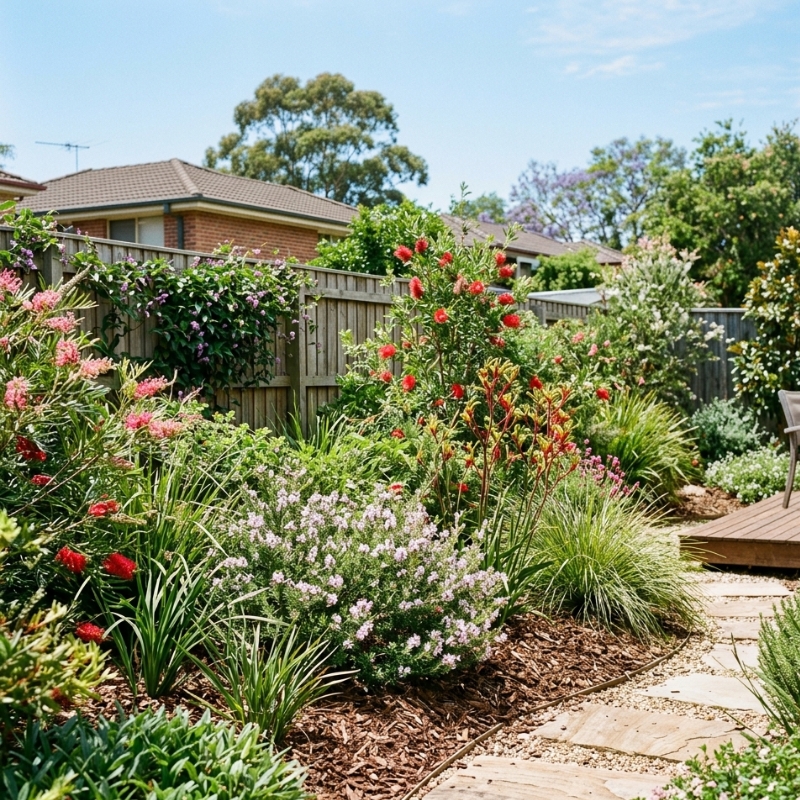
Sydney gardens can be wildly different from one suburb to the next, which is why smart landscaping starts with understanding your local microclimate. A courtyard in Marrickville can feel like an oven in January. A yard in the Hills can swing from humid storms to dry heat in the same week. A garden near the Northern Beaches can look lush… until salty wind starts crisping the leaf edges.
The good news is you don’t need a “perfect” garden to grow great plants here. You just need the right match between:
• your microclimate (heat, humidity, wind, salt)
• your soil (sand, clay, or something in between)
• your watering reality (how often you can truly water)
• and the job each plant needs to do (screening, shade, colour, groundcover)
This guide gives you a simple way to choose plants that cope with Sydney’s conditions, plus practical set-up tips so they establish properly and stay healthy long-term.
Start with a 3-minute “Sydney yard check”
Before you buy anything, quickly answer these:
• Are you within a few kilometres of the coast, or do you get salty wind on strong days?
• Do you get hot afternoon sun from the west (especially on paving, fences, or dark walls)?
• Does your garden stay damp and still (shade + poor airflow), especially after rain?
• When you dig 15–20 cm down, is it mostly sand, sticky clay, or loam?
• After heavy rain, does water sit in one area for hours?
• Can you water new plants 2–3 times a week at the start, or are you more “weekends only”?
Your answers steer you toward the right plant types and away from the most common Sydney failures: heat scorch, fungal leaf problems, and salt burn.
Q: Why do “hardy” plants still die in Sydney?
Because “hardy” isn’t one thing. Some plants handle heat but hate humidity. Some handle coastal wind but hate wet feet. Some cope with drought once established but fail in the first six weeks without consistent watering. The conditions that matter most are the ones in your yard, not the label at the nursery.
Understand Sydney’s three big challenges (and what they do to plants)
1) Heat and reflected heat
Sydney summers aren’t just hot. In built-up areas, hard surfaces store heat and re-radiate it into the evening. Plants near:
• dark fences
• western brick walls
• paving and pool surrounds
often take a double hit: midday sun plus late-afternoon blast.
What it looks like:
• scorched leaf edges (especially on broad-leaf plants)
• sudden wilting late afternoon, even if soil is damp
• flowers dropping early in heatwaves
What helps:
• choose tougher leaf types (waxy, fine, grey, or leathery foliage)
• mulch consistently
• shade young plants for the first summer if needed
• avoid planting heat-sensitive varieties in west-facing “hot pockets”
2) Humidity and leaf disease pressure
Sydney’s humidity (especially after storms) encourages fungal problems if airflow is poor.
What it looks like:
• black spots, powdery film, or leaf yellowing
• plants that look “tired” even when watered
• recurring problems that return each warm, wet spell
What helps:
• spacing plants so air can move through
• pruning to open the centre of shrubs
• watering soil, not leaves (avoid late-day overhead watering)
• choosing varieties known for disease resistance
3) Coastal conditions: salt, wind, and sand
Coastal gardens don’t fail only from “salt air.” Salt spray lands on leaves, dries them out, and damages tissue. Wind increases evaporation. Sandy soils drain fast and can be low in nutrients.
What it looks like:
• brown crispy leaf edges, especially on the windward side
• stunted growth despite fertilising
• plants that never look “settled”
What helps:
• a wind-filter layer (tough shrubs or screening plants)
• salt-tolerant species in the front line
• improving sand with organic matter and consistent mulch
• deep, infrequent watering once established (but frequent at the start)
If you’re planning broader changes and want a simple way to pull everything together, start with these landscaping ideas for Sydney gardens as inspiration for plant layout, layers, and practical garden zones.
A simple plant-picking framework that works in Sydney
Instead of choosing plants by looks alone, choose in this order:
- Microclimate first
• coastal wind/salt?
• humid shade?
• blazing west sun? - Soil second
• sand: drains fast, nutrients wash through
• clay: holds water, can suffocate roots if compacted
• mixed: still needs organic matter - Water habits third
Be honest: are you a “set and forget” waterer, or will you commit during establishment? - Purpose last
What job must the plant do?
• screen
• groundcover
• colour/flowering
• feature
• soften a fence
• handle kids/pets traffic nearby
Q: What matters more — sun label or microclimate?
Microclimate. “Full sun” on a coastal block with breeze is different from “full sun” in a western Sydney heat bowl with reflected heat from paving. A plant that loves the sun may still burn in the wrong sun.
Plants that thrive in Sydney’s heat
These are generally good options for hot, sunny spots, especially where you get heatwaves or reflected heat. (Always check the exact variety and position.)
Tough shrubs for sun and heat
• Westringia (coastal rosemary): hardy, tidy, great for hedging and low water once established
• Callistemon (bottlebrush): many varieties handle heat well and attract birds
• Grevillea: choose varieties suited to your space; many are excellent in sun and tougher conditions
• Leptospermum (tea tree): can handle sun and wind; good as a screening layer
• Lilly pilly (some varieties): choose resilient cultivars and give them good airflow
Feature plants that cope with heat
• Frangipani: loves heat and sun, ideal for courtyards
• Olives: hardy, drought-tolerant once established, suits many Sydney spots
• Lomandra and Dianella: reliable structural plants for hot areas and mass planting
Heat-smart groundcovers
• Myoporum parvifolium (creeping boobialla): tough, spreads well, handles coastal and hot sites
• Pigface (Carpobrotus): excellent for harsh sun and coastal exposure
Q: What’s the biggest mistake with “drought-tolerant” plants?
Assuming they don’t need water at the start. Many drought-tolerant plants are only drought-tolerant after roots are established. The first 6–12 weeks is when most failures happen.
Plants that handle Sydney’s humidity and damp shade
If you have a side path that stays still and damp, or a backyard that gets morning sun and afternoon shade, choose plants that cope with humidity and won’t collapse into disease cycles.
Shrubs and mid-layer plants for humid spots
• Camellias (sasanqua types often suit hedging and screening): great for part shade; keep airflow and mulch
• Gardenias: can do well with good soil, consistent moisture, and spacing
• Many native understorey shrubs: pick based on light levels and space
Lush structural plants for shade and humidity
• Ferns (in the right sheltered positions)
• Clivia (tough shade plant with seasonal colour)
• Aspidistra (cast iron plant): slow but resilient in shade
Humidity management that makes plants succeed
• Space plants so leaves don’t constantly touch
• Thin dense shrubs (light pruning) so air moves
• Water early in the day and aim at the soil
• Avoid over-feeding nitrogen in humid conditions (can push soft growth that’s disease-prone)
If you’re unsure what fits your exact light and moisture conditions, use this as your decision filter: help choosing the right plants starts with the site conditions first, then narrows options to plants that actually suit.
Plants for Sydney coastal gardens (salt + wind + sand)
Coastal planting works best when you design in layers:
• front line: toughest salt/wind-tolerant plants
• middle: screening and structure
• back: more delicate feature plants sheltered from spray
Front-line coastal performers
• Westringia: one of the most reliable coastal shrubs
• Coastal banksia varieties suited to gardens: strong performers when positioned correctly
• Myoporum (groundcover forms): excellent for exposed edges
• Pigface: handles salt and sun extremely well
• Lomandra: strong structural plant for tough sites
Screening and structure behind the front line
• Tea trees (Leptospermum): good wind filter and habitat
• Some lilly pilly varieties: can work if sheltered from direct salt spray and kept healthy
Coastal soil tips that change everything
Sandy soil isn’t “bad,” it just needs support:
• add compost and organic matter when planting
• keep a consistent mulch layer to reduce moisture loss
• use seaweed-based soil conditioners if appropriate (great for stress recovery)
• water deeply so roots chase moisture down, not across the surface
Q: How close is “too close” to the ocean for delicate plants?
If you can taste salt on your lips on a windy day, assume salt spray reaches your garden. Delicate plants can still work, but only behind a tough wind-filter layer and with the right placement.
What to plant by Sydney scenario (the part most guides skip)
Here’s the practical shortcut: match plants to the situation you actually have.
Scenario A: Beachside exposure with salty wind
Prioritise:
• salt-tolerant shrubs and groundcovers in the front line
• layered planting to filter wind
• thicker mulch and improved sand
Avoid:
• soft-leaf plants right on the windward edge
• high-maintenance, disease-prone varieties in the spray zone
Scenario B: Coastal but set back (still breezy)
You can grow a wider range, especially if you:
• shelter feature plants behind screening
• avoid “wet feet” with good drainage
• maintain mulch to reduce drying winds
Scenario C: Inner-city courtyard heat bowl
Prioritise:
• heat-tolerant feature plants
• plants that handle reflected heat near paving
• pots with proper watering routines (pots dry fast)
Avoid:
• broad soft leaves in harsh west sun without protection
• planting right up against hot walls with no airflow
Scenario D: Shaded, humid side of house
Prioritise:
• shade-tolerant structural plants
• airflow and spacing
• careful watering habits
Avoid:
• crowded planting
• overhead watering late in the day
Scenario E: Clay-heavy soil with drainage issues
Clay can be productive, but it needs:
• soil structure improvements (organic matter)
• raised planting zones where water sits
• choosing plants that tolerate heavier soils
If you see persistent pooling water, or plants repeatedly decline in the same spot, that’s one of the major challenges that arise when landscaping outdoor spaces — drainage and soil structure often need attention before plant choice alone can solve it.
Establishment: the make-or-break phase in Sydney
Most plant losses happen because the establishment period wasn’t supported properly. Even “tough” plants need help at the start.
A simple establishment plan
Week 1–2:
• water thoroughly after planting
• keep soil evenly moist (not waterlogged)
• mulch to stabilise temperature and moisture
Week 3–6:
• water deeply 2–3 times a week, depending on heat and soil
• check moisture below the surface (don’t trust the top 1 cm)
• watch for heat stress late afternoon
Month 2–3:
• reduce frequency, increase depth (encourage deeper roots)
• top up mulch if it’s thinning
• lightly prune for shape only if the plant is actively growing
Q: How do I know if I’m overwatering or underwatering?
Check 10 cm down.
• If it’s dry and crumbly, you’re underwatering.
• If it’s soggy and smells sour, you’re overwatering or drainage is poor.
• If it’s cool and slightly damp, you’re close to ideal.
Soil and mulch: Sydney’s quiet superpower
If you do only two things for long-term success:
• improve soil structure over time
• maintain mulch consistently
Mulch rules that work
• keep mulch 5–8 cm thick in most garden beds
• pull it back from plant stems and trunks
• refresh as it breaks down (that’s a good thing)
Mulch helps with:
• summer heat buffering
• moisture retention in sand
• soil biology in clay
• reduced weed competition
A note on plant trials and proven performers
If you want extra confidence, look for plants that have been tested in local conditions. The Botanic Gardens of Sydney runs performance trials that can help validate what grows well in Sydney gardens. See the Botanic Gardens of Sydney plant trials for examples of plants assessed under local conditions.
Troubleshooting: what your plant symptoms are telling you
Salt burn vs heat scorch
Salt burn:
• often worse on the windward side
• leaf edges brown and crisp
• can appear after windy coastal days
Heat scorch:
• often after a heatwave
• can be widespread on exposed leaves
• plants may wilt late afternoon
What to do:
• Rinse leaves gently with fresh water after extreme salt events (where practical)
• improve shelter and mulch
• adjust watering depth and timing
Fungal problems in humid spots
Signs:
• spots, powdery residue, or yellowing
• recurring cycles after warm rain
What to do:
• open airflow with light pruning
• space plants more generously
• water early and avoid wetting foliage late in the day
Q: When is a plant “wrong for the spot” rather than “still settling in”?
If you’ve supported establishment (water + mulch), and the plant repeatedly declines with the same symptom pattern tied to weather (heatwaves, humid spells, salty winds), it’s often a mismatch. Relocating to a better microclimate or swapping to a better-suited plant usually saves time and money.
Practical planting checklist for Sydney success
• Match plant to microclimate before you fall in love with it
• Improve soil a little at planting, then keep improving it over time
• Mulch consistently
• Water properly for the first 6–12 weeks
• Leave space for airflow in humid spots
• Use a tough coastal “front line” if you get salt wind
• Expect young plants to need protection in their first harsh summer
FAQ: Choosing plants that thrive in Sydney
What are the easiest low-maintenance plants for Sydney gardens?
Look for proven tough performers for your conditions: structural grasses (like lomandra), hardy shrubs (like westringia), and reliable natives suited to your light and soil. “Low maintenance” comes from good matching and good establishment, not just the plant label.
What plants handle Sydney heatwaves best?
Plants with tougher foliage and good drought tolerance, once established, usually cope best. Prioritise correct placement (avoid reflected heat hot spots for sensitive plants), keep mulch consistent, and support new plants with deep watering early on.
What are the best coastal plants for Sydney near salty winds?
Use a layered approach. Put salt-tolerant plants on the windward edge (front line), then place more delicate feature plants behind them. Improve sandy soil with organic matter and keep mulch topped up.
How do I choose plants for sandy soil near the beach?
Choose plants that tolerate fast drainage and coastal exposure, then improve the soil’s water-holding ability with compost and mulch. Water deeply during establishment so roots grow down rather than staying shallow.
Why do my plants get leaf spots every humid summer?
Humidity plus poor airflow is a common trigger. Increase spacing, prune to open dense shrubs, avoid overhead watering late in the day, and choose disease-resistant varieties for damp, still areas.
When is the best time to plant in Sydney?
Generally, planting in milder weather gives plants time to establish before extremes. Avoid planting the most sensitive varieties right before peak summer heat unless you can water consistently and provide temporary protection.