
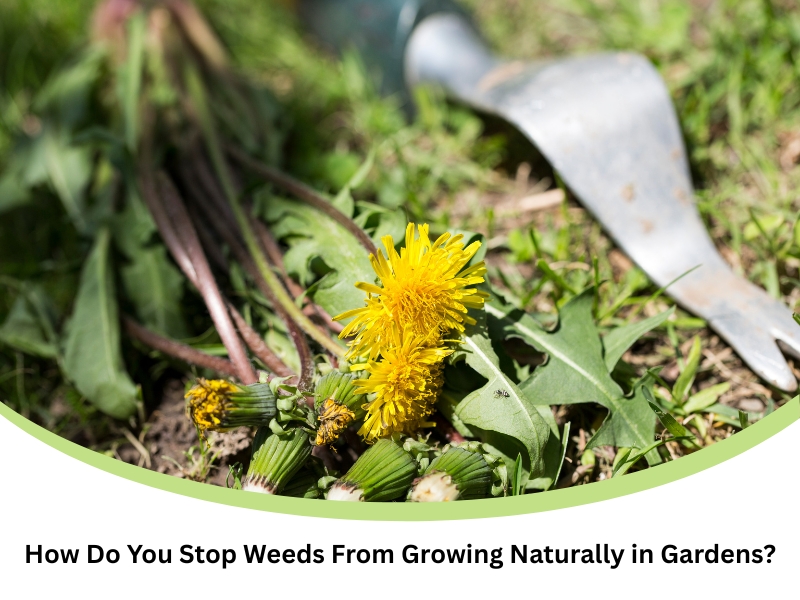
Weeds are the uninvited guests that never seem to leave. You pull them out, and a week later — there they are again, sprouting like they own the place. Sound familiar? It’s a headache for every gardener, but there’s a smarter way to handle it. You don’t need harsh sprays or endless hours of digging. You just need to understand what weeds love — and take that away from them. This article explores how to stop weeds from growing naturally in gardens using clever, eco-friendly techniques that protect your soil and make your garden thrive.
Why do weeds keep returning after you remove them?
Weeds bounce back because most of them leave little bits behind. Tiny root fragments or buried seeds can sit quietly until they get the right signal — then bang, they’re back. Here are the main reasons they don’t stay gone:
- Seeds can lie dormant for years, waiting for sunlight or warmth before sprouting again.
- Digging and turning the soil can bring old seeds up to the surface, giving them a chance to grow.
- Strong root systems, such as dandelions or couch grass, regrow from any bit left behind.
- Poor soil balance helps weeds take over when the nutrients are uneven or too low in organic matter.
You’ll have better luck if you stop disturbing the soil and keep it covered with plants or mulch. Catching them early helps too — noticing the early signs that weeds are starting to grow in lawns means you can act before they get out of hand. Keeping weeds away isn’t a one-off job. It’s about staying consistent, cutting off light, and not giving them the conditions they love.
What causes weeds to spread so quickly in garden beds?
Weeds spread fast because they’re made for survival. Most produce loads of seeds that the wind, birds, or even your shoes can carry. Once they find a soft bit of soil, they settle in. Here are the things that help them move through your garden:
- Seeds carried by wind can travel across fences or between properties, finding any bare spot to grow.
- Shoes, gloves, and tools often collect seeds and move them without you realising.
- Wet garden beds with poor drainage make perfect homes for quick-sprouting weed species.
- Overwatering and heavy fertiliser use help weeds thrive faster than ornamentals.
Understanding the reasons your garden beds become overrun with weeds helps you find where the problem starts. Sometimes it’s as simple as too much open soil or not enough mulch. Weeds spread when you make things easy for them. Keep the soil covered and plants close together so they’ve got no room to move in.
Can ignoring early weed growth damage your garden soil?
Leaving weeds alone for too long hurts your garden more than you might think. They pinch water, nutrients, and space from the plants you actually want. Here are the problems that pop up when you let them hang around:
- Nutrient theft weakens your plants and can make their growth patchy.
- Tangled roots make it harder for soil to breathe and drain properly.
- Pests and fungi find a cosy home in thick weed cover, spreading to your other plants.
- Rotting weeds break down and dump seeds or toxins back into the soil.
Once that cycle starts, fixing the soil takes longer. It’s a headache most gardeners could avoid by acting fast — a quick pull here and there every week goes a long way. Staying on top of weeds early protects your soil and keeps it rich, loose, and healthy for seasons to come.
Which natural methods truly stop weeds from growing long-term?
Long-term weed control’s about prevention, not constant pulling. When you build healthy soil and plan your garden right, weeds stop finding easy spots to grow. Here are the natural methods that actually work:
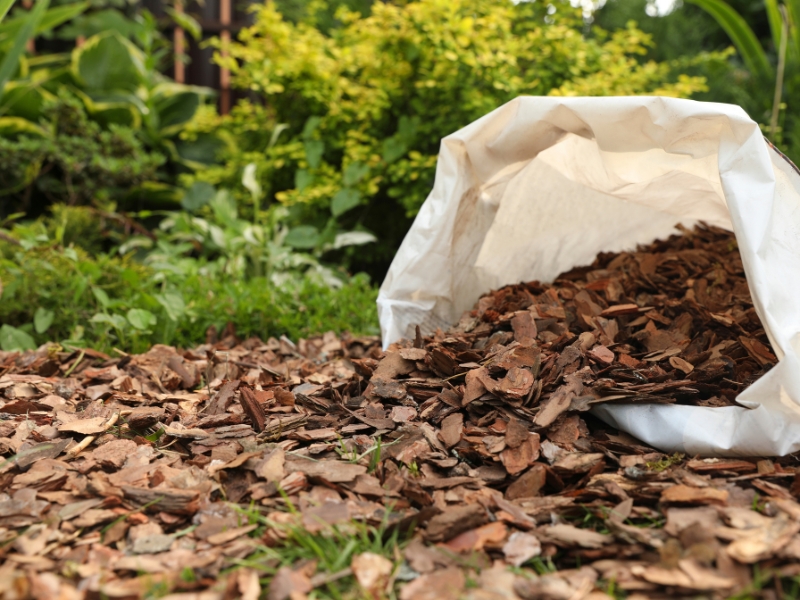
- Smother them early with layers of cardboard, newspaper, or thick organic mulch. It keeps the sun off and stops sprouting.
- Pack your garden tight with plants that cover the ground, leaving no gaps for weeds.
- Pull by hand before they flower — no seeds, no spread.
- Use gentle treatments like vinegar or boiling water for small patches without harming soil life.
Over time, these habits turn into strong weed management strategies for sustainable gardening that make your backyard more self-sufficient and low-maintenance. You’ll notice weeds thinning out as your soil health improves. Natural control’s not about perfection — it’s about balance. Keep the ground active and covered, and weeds won’t get the upper hand.
Are organic mulches effective in stopping weeds from growing naturally?
Absolutely. Organic mulch might be one of the easiest and most natural defences around. It cuts off sunlight, keeps the soil damp, and makes it tough for weeds to even start. Here’s what mulch does for you:
- Shields the soil, blocking sunlight that weeds need to germinate.
- Feeds the ground, adding nutrients as it breaks down over time.
- Holds moisture, helping your plants thrive without constant watering.
- Boosts soil life, encouraging worms and microbes that compete with weeds underground.
Quick comparison of popular mulches and how well they stop weeds:
| Mulch Type | Weed Control | Breaks Down In |
| Sugarcane mulch | Strong | Around 6 months |
| Bark chips | Moderate | Up to 12 months |
| Straw | Strong | About 4 months |
| Compost blend | Moderate | 3 months |
Regular mulching is one of those low-effort habits that pays off. It’s simple, clean, and keeps your garden from turning into a jungle. Organic mulch doesn’t just stop weeds from growing naturally — it makes the whole garden healthier, from the soil right up to the leaves.
How do professionals stop weeds from growing safely and efficiently?
The pros don’t just pull weeds — they plan ahead. By using timing, smart tools, and eco-friendly approaches, they stop weeds before they even appear. Here’s what sets professional methods apart:
- Pre-emergent barriers go down before seeds sprout, blocking them right from the start.
- Specialised tools dig deep enough to remove roots without disturbing nearby plants.
- Steam or foam weeding kills unwanted growth with heat, not chemicals.
- Regular maintenance visits keep gardens in shape all year round.
If you’re tired of the constant weeding cycle, it might be worth exploring trusted weed removal solutions for maintaining a healthy and weed-free garden. It’s an easy way to see how professional care keeps your garden looking sharp without the stress or harsh chemicals. Professionals succeed because they focus on prevention and timing — a clean, green approach that keeps weeds away for good.
Final thoughts on maintaining a weed-free and healthy garden
Keeping weeds out for good isn’t about luck or harsh chemicals. It’s about working with nature — building strong soil, planting close, and keeping things tidy. A steady routine does the trick better than quick fixes. And if you ever feel like you’re fighting a losing battle, you can explore how All Green Gardening & Landscaping manages stubborn weeds effectively.