
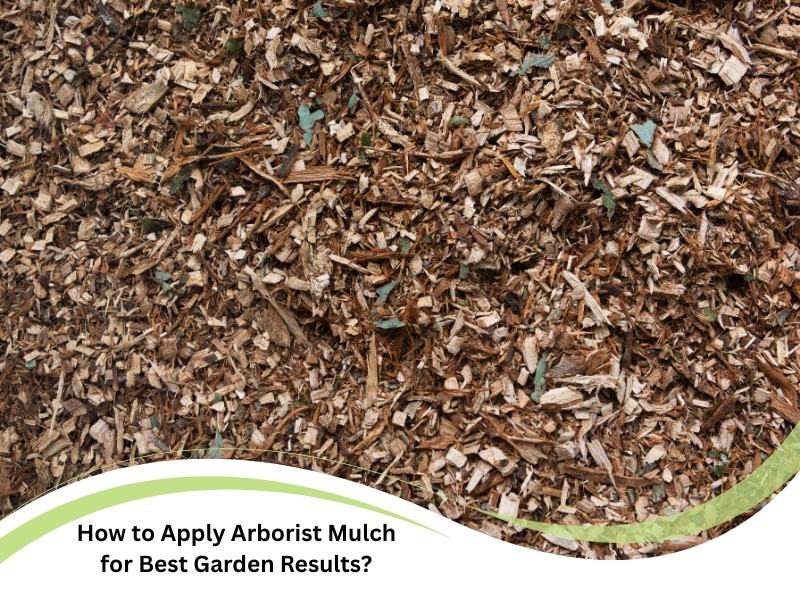
Applying arborist mulch correctly is essential if you want to improve your garden’s soil structure, conserve moisture, and reduce weed growth naturally. Unlike generic garden mulch, arborist mulch is made from tree trimmings and branches chipped by certified arborists. It’s nutrient-rich, sustainable, and ideal for the Sydney climate. The way you apply it makes all the difference between a healthy garden and a struggling one. This article explores the benefits of arborist mulch and gives you a step-by-step guide to ensure your garden reaps the rewards of proper mulching techniques.
What is arborist mulch, and why does it matter?
Arborist mulch matters because it mimics the natural leaf litter found in forests, helping your garden thrive without synthetic additives. Here are the main characteristics and advantages of arborist mulch:
- Arborist mulch is made from branches, bark, and leaves chipped after tree maintenance, offering better structure than manufactured bark.
- It contains a mix of green and woody material, providing balanced carbon and nitrogen inputs for the soil.
- It supports recycling and reduces landfill, making it an environmentally conscious choice for gardeners aiming to reduce waste.
- It retains moisture exceptionally well, helping Sydney gardens survive dry periods while supporting microbial life in the soil.
- Unlike commercial mulches, arborist mulch breaks down slowly and feeds the soil over time without leaching nutrients.
By applying it appropriately, you can enjoy a lush, low-maintenance garden with long-term environmental benefits.
Why does proper mulch application matter for garden health?
Applying mulch properly isn’t just about looks — it’s essential for soil and root health. Done wrong, it can harm your garden more than help it. Here are the practical reasons to apply mulch with care:
- Over-mulching can suffocate roots and promote rot, especially when mulch piles against plant stems and trunks.
- Poor distribution can create dry zones or water-logged areas, stressing plants and making them vulnerable to pests.
- Applying too fine a mulch compacts the surface, stopping air and water from reaching the soil.
- Consistent, even coverage of 2–4 inches helps maintain soil moisture and supports deeper plant root growth.
- Proper spacing prevents fungal issues and gives the plant crown room to breathe.
Maintaining correct mulch coverage encourages balance in the soil, providing your plants with the stable foundation they need to thrive.
Here’s a table summarising correct vs incorrect mulch application for clarity:
| Correct application practice | What to avoid |
| 2‑4 inch layer spread evenly | Piling mulch too deeply (over 6 inches) |
| Keep mulch 5‑10 cm away from trunks | Mulch touching stems/trunks (“volcano”) |
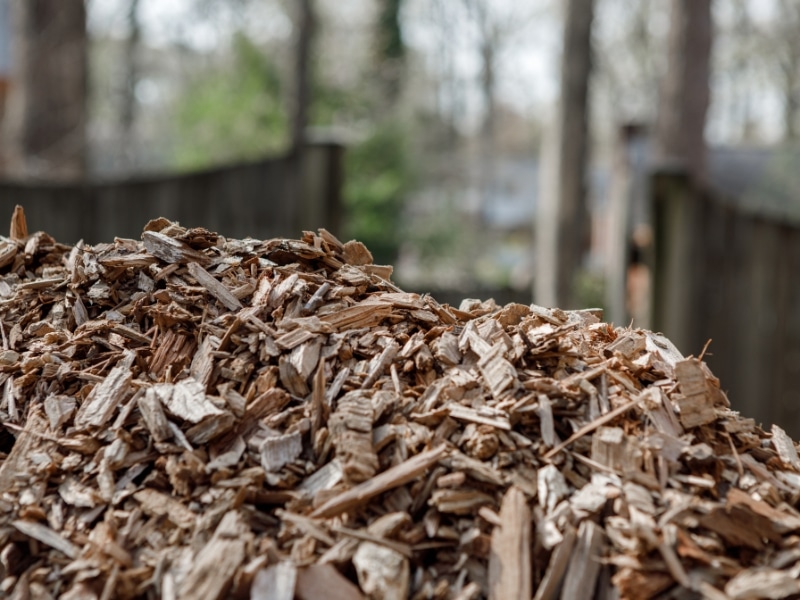
| Use coarse, tree‑based chips | Fine-textured sawdust or bark only |
| Reapply annually or when the layer thins | Let the mulch degrade into a thin dust layer |
What is the step-by-step guide to applying arborist mulch correctly?
Applying arborist mulch properly starts with good preparation and finishes with strategic watering. Follow these steps to make the most of your mulch. Here are the essential steps to mulch application:
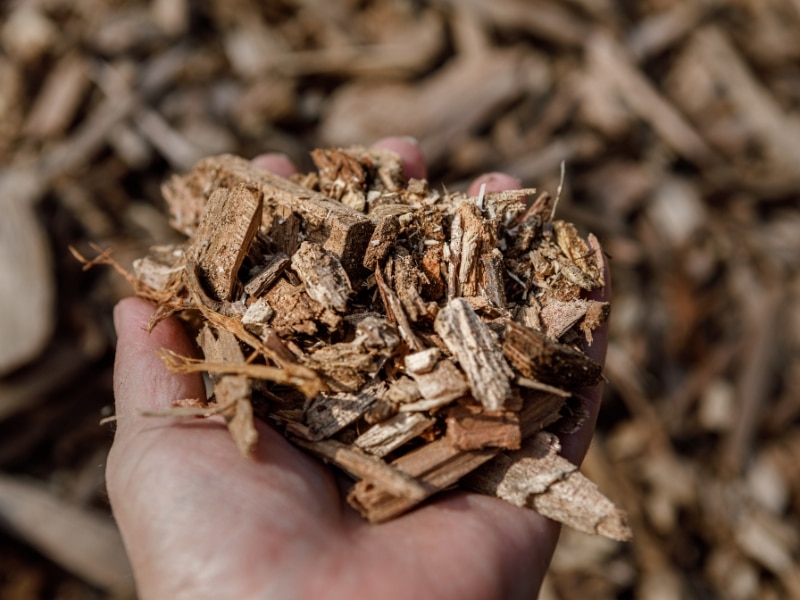
- Step 1: Prepare the site — Clear all weeds and debris, lightly water the soil to encourage contact between mulch and soil.
- Step 2: Apply 2–4 inches of mulch — Use a rake or gloved hands to distribute mulch evenly across beds without smothering young plants.
- Step 3: Keep mulch away from plant stems — Leave a 5–10 cm ring around trunks or stems to prevent stem rot or pest infestations.
- Step 4: Water in the mulch — After spreading, give it a gentle soaking to settle it and activate soil microbes.
- Step 5: Monitor mulch condition — After heavy rain or strong sun, fluff compacted mulch and top up where it has thinned.
These steps ensure your garden receives the best use of mulch from trees, enhancing soil health and garden performance.
How does forest mulching improve soil and plant growth?
Forest mulching is a technique that mimics natural ecosystems by returning organic tree matter to the soil surface — supporting healthy plant and soil interactions. Here are the major ways forest mulching boosts your garden’s performance:
- It provides organic cover that protects soil from heat, helping maintain an even temperature year-round.
- Forest mulch breaks down gradually, fostering fungi and microbes vital for nutrient cycling in urban garden soils.
- It improves soil structure by creating pathways for air and water, helping plants establish stronger root systems.
- Especially in Sydney, forest-style mulching reduces evaporation, meaning less watering and more resilient garden beds.
- It aligns well with mulching techniques for native gardens, making it perfect for indigenous plantings.
Using a forest approach to mulching aligns your garden with nature, fostering low-maintenance growth that lasts.
What are the common mulching mistakes, and how can they be avoided?
Many gardeners unknowingly sabotage their own efforts by making simple mulch mistakes. Understanding what to avoid will save time and protect your plants. Here are the most common errors and how to avoid them:
- Volcano mulching (piling mulch high around trunks) causes rot and invites insects — always keep mulch away from stems.
- Using fresh, unaged mulch without balancing nitrogen can lead to nutrient lock-up and weak plant growth.
- Applying mulch too thickly creates compacted, airless soil — 2–4 inches is ideal for most plants.
- Ignoring mulch breakdown leads to patchy beds and weed resurgence — monitor mulch and refresh as needed.
- Missing the benefits of understanding mulch benefits can mean you don’t adapt mulch types to your soil or plant types.
Avoiding these common pitfalls helps your mulch work smarter, not harder — improving your garden rather than compromising it.
When and how to reapply arborist mulch for lasting benefits?
Mulch isn’t a one-and-done deal. Reapplication is necessary to keep your garden covered and your soil thriving year after year. Here are the best ways to stay on top of mulch maintenance:
- Top-up every 12 to 18 months, depending on how quickly the mulch decomposes or is disturbed.
- Autumn and early winter are ideal for Sydney gardens — the soil is moist, and new mulch settles well.
- Refreshing mulch consistently is part of using eco-friendly landscaping materials, not just aesthetics.
- Always inspect old mulch for compaction, dryness, or mould — it should smell earthy, not sour or rotten.
- Apply in thinner layers over time if your soil holds moisture well, especially in shaded gardens.
Ongoing mulch management ensures your garden stays healthy, moisture-efficient and beautifully covered across all seasons.
Final thoughts on using arborist mulch for sustainable gardens
A thriving garden doesn’t need synthetic inputs or constant watering when you use arborist mulch properly. It promotes biodiversity, improves soil quality, and supports long-term plant health. For guidance tailored to your landscape, feel free to discover expert guidance from All Green Gardening & Landscaping.