
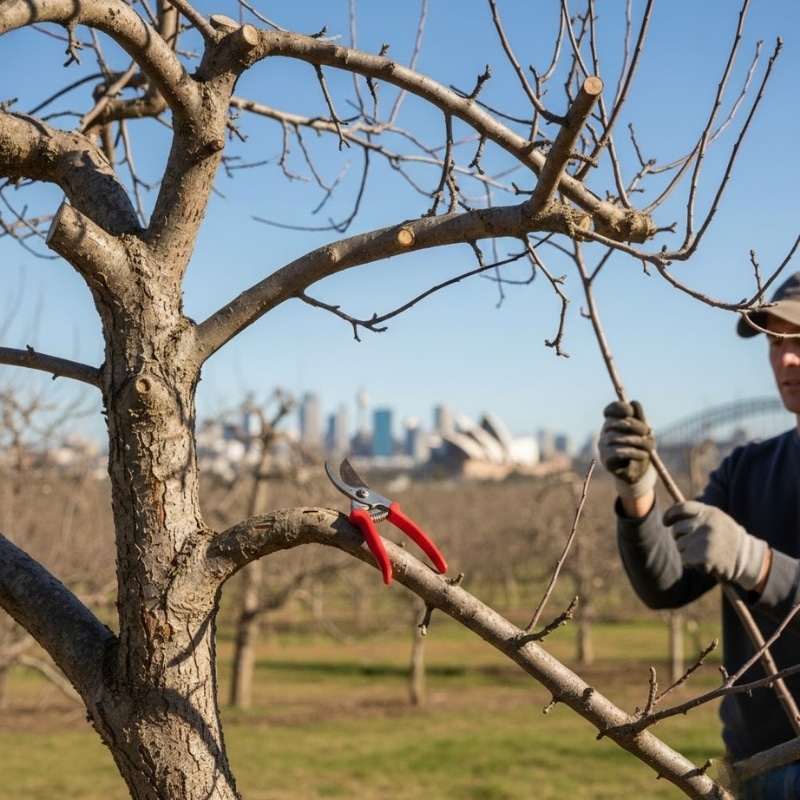
Apple trees are a rewarding addition to many Sydney gardens, but without proper pruning, they can quickly become unproductive, unhealthy, or even hazardous. Sydney’s unique climate, soil conditions, and seasonal patterns mean apple tree pruning here requires a different approach compared to cooler regions of Australia or overseas advice you’ll often find online.
In this guide, we’ll explain when to prune apple trees in Sydney, how pruning should be done, and why correct pruning is essential for healthy growth and high-quality fruit. Whether you’re caring for a young apple tree or managing a mature one, this article will help you make informed decisions — including when it’s best to call in professionals.
Why Apple Tree Pruning Matters in Sydney Gardens
Pruning isn’t just about shaping a tree. It plays a critical role in the long-term health, safety, and productivity of your apple tree.
Encouraging Better Fruit Production
Proper pruning:
• Improves sunlight penetration through the canopy
• Enhances airflow around branches
• Helps the tree focus energy on fruit-bearing wood
Without pruning, apple trees often produce smaller fruit, inconsistent crops, or excessive leafy growth with minimal apples.
Preventing Disease and Pest Issues
Sydney’s relatively mild winters and humid conditions can increase the risk of fungal diseases. Removing:
• Dead branches
• Crossing or rubbing limbs
• Diseased growth
reduces places where pests and pathogens can thrive.
Managing Tree Size and Safety
Unpruned apple trees can become:
• Overly tall and unstable
• Prone to branch failure during storms
• Difficult to harvest safely
Correct pruning keeps trees structurally sound and manageable within suburban Sydney properties.
When Is the Best Time to Prune Apple Trees in Sydney?
Timing is one of the most common areas of confusion for homeowners — and it’s where Sydney conditions matter most.
Winter Pruning (Primary Pruning Season)
For Sydney, NSW, the best time to prune apple trees is during winter, typically:
• Late June to early August
During winter dormancy:
• Trees experience less stress
• Structural issues are easier to see
• Strong regrowth occurs in spring
Winter pruning is ideal for:
• Major structural work
• Removing large or problematic branches
• Shaping young trees
Summer Pruning (Light Maintenance Only)
Summer pruning can be useful, but it must be done carefully.
Appropriate summer pruning includes:
• Removing water shoots
• Light thinning to improve airflow
• Removing damaged or diseased growth
Heavy summer pruning can:
• Reduce fruit yield
• Expose branches to sunburn
• Stress the tree in hot Sydney conditions
When Not to Prune
Avoid pruning:
• During heatwaves
• In early spring, when sap flow is strong
• Just before prolonged wet weather
Incorrect timing is one of the most common causes of poor fruiting and long-term tree decline.
How to Prune Apple Trees Correctly
Pruning techniques vary depending on the age, size, and condition of the tree.
Pruning Young Apple Trees
Young trees need pruning to establish a strong framework.
Key goals include:
• Developing a balanced structure
• Selecting strong scaffold branches
• Preventing weak crotch angles
Early pruning sets the foundation for decades of healthy growth.
Pruning Mature Apple Trees
Mature trees benefit from targeted, strategic pruning.
This typically involves:
• Removing dead or diseased wood
• Thinning overcrowded branches
• Maintaining an open canopy shape
Care must be taken not to remove too much growth at once, as this can reduce fruiting the following season.
Pruning Old or Neglected Apple Trees
Heavily overgrown trees should never be aggressively pruned in one go.
Best practice includes:
• Staged pruning over multiple seasons
• Gradual canopy reduction
• Professional assessment for structural safety
This approach protects the tree while restoring productivity over time.
Common Apple Tree Pruning Mistakes Sydney Homeowners Make
Even well-intentioned pruning can cause problems if done incorrectly.
Over-Pruning
Removing too much growth:
• Encourages excessive water shoots
• Reduces fruit production
• Weakens the tree
Poor Cutting Technique
Incorrect cuts can:
• Tear bark
• Invite disease
• Lead to dieback
Ignoring Tree Structure
Random branch removal often leads to:
• Imbalanced growth
• Shading issues
• Increased storm damage risk
This is why many Sydney homeowners choose professional support rather than DIY pruning.
DIY vs Professional Apple Tree Pruning in Sydney
Some light pruning can be done by confident homeowners, but there are limits.
When DIY Pruning May Be Suitable
DIY pruning may work if:
• The tree is small and accessible
• Only light maintenance is required
• You have proper tools and knowledge
When to Call a Professional
Professional pruning is strongly recommended when:
• Trees are large or mature
• Branches overhang structures or neighbours
• Structural or safety concerns exist
• Fruit production has declined
Engaging professionals who offer professional tree pruning in Sydney ensures work is done safely, correctly, and in line with local conditions.
If you’re looking for comprehensive apple tree pruning options available, working with experienced local specialists can significantly improve long-term results.
Local Considerations for Apple Tree Pruning in Sydney, NSW
Climate and Seasonal Variation
Sydney’s climate differs from cooler apple-growing regions, which affects:
• Dormancy length
• Disease pressure
• Growth cycles
Pruning strategies must be adjusted accordingly.
Council Regulations and Tree Protection
Some trees may be subject to local council regulations. It’s important to understand your obligations before carrying out significant pruning. NSW guidelines on tree management and vegetation protection can be found through official state resources, such as guidance provided by NSW government environmental authorities.
How Professional Pruning Improves Long-Term Tree Health
Correct pruning:
• Extends the productive life of the tree
• Improves fruit size and quality
• Reduces long-term maintenance costs
• Enhances garden safety and appearance
Homeowners who want to learn more about apple tree pruning requirements often discover that professional input delivers better outcomes than trial-and-error pruning.
For trees that require ongoing care, engaging experts who provide professional apple tree pruning in Sydney helps ensure consistent results year after year.
Frequently Asked Questions About Apple Tree Pruning in Sydney
Do apple trees need pruning every year?
Yes. Annual pruning helps maintain structure, health, and fruit production, even if it’s only light maintenance.
Can I prune apple trees in summer?
Light summer pruning is acceptable, but heavy pruning should be reserved for winter dormancy.
What happens if apple trees aren’t pruned?
Unpruned trees often produce poor-quality fruit, become disease-prone, and develop unsafe structures.
Is apple tree pruning different in Sydney compared to other regions?
Yes. Sydney’s warmer climate and humidity require a more tailored approach than generic pruning advice.
Choosing the Right Apple Tree Pruning Service in Sydney
When selecting a pruning service, look for:
• Local Sydney experience
• Knowledge of fruit tree biology
• Safe work practices
• Clear understanding of seasonal timing
A well-pruned apple tree not only produces better fruit but also enhances the overall value and safety of your garden. For trees that require ongoing care, engaging experts who provide professional apple tree pruning in Sydney helps ensure consistent results year after year.