
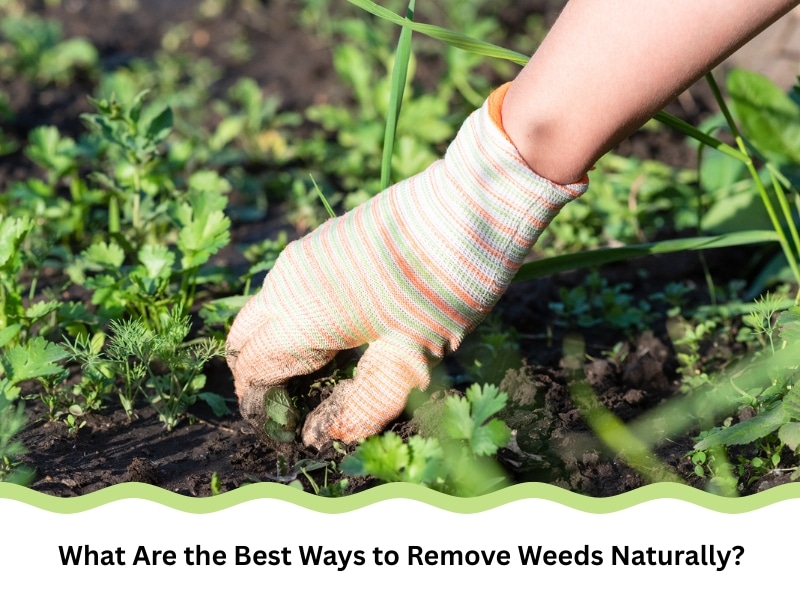
Weeds have a knack for showing up where they’re not wanted — especially in gardens with exposed soil, patchy mulch, or struggling plants. They’re opportunists. Learning the best ways to remove weeds naturally gives you a solid chance at keeping your garden healthier without turning to harsh chemical solutions. This article explores how weeds sneak in, how they damage your plants, and what practical, chemical‑free strategies actually keep them out for good.
Why do weeds keep coming back in your garden?
They come back because you haven’t beaten them at the root — literally. Weeds are designed to survive disturbance. Even if you pull them out by hand, any leftover roots or seeds can start the cycle all over again. Here are a few reasons they keep coming back:
- Seeds buried in your soil can stay dormant for years and sprout as soon as the surface is disturbed or exposed to sunlight.
- Tough root systems, especially from perennials, regenerate easily if even a small part is left behind.
- Mulch that’s too thin or patchy allows light through, giving weeds a foothold — especially after a good rain.
- Digging or turning over soil might help your plants, but it also brings up weed seeds lying in wait.
So if you’re only pulling what you can see, you’re not solving the actual problem. The real fix involves blocking sunlight, managing soil health, and controlling the seed bank long term.
How can weeds harm the health of your plants?
Weeds don’t just look bad — they mess with everything your plants need to thrive. Here’s what’s really happening beneath the surface:
- They steal the essentials — water, light, nutrients — meaning your plants get less and start to show signs of stress.
- Some weeds attract pests or carry diseases, acting as safe havens for insects or fungi that then move on to your healthy plants.
- Their roots compete underground, crowding and pushing aside the roots of your plants, reducing their ability to take up water and anchor properly.
- Certain invasive weeds affect soil biology, altering pH levels or releasing compounds that discourage beneficial microbes.
It’s why many local councils encourage preventive weed management strategies to stop invasive plants — because the longer weeds hang around, the more damage they do, not just in your garden but in the wider landscape.
Could ignoring weeds cause bigger gardening problems?
Short answer? Absolutely. A few weeds today can turn into a full‑blown headache by next season if left alone. Here’s how they scale up:
- They spread fast, especially aggressive varieties like couch grass or bindii, which quickly overtake beds, lawns, and even surrounding areas.
- Seeds blow or wash into neighbouring gardens, making it everyone’s problem. If they flower and set seed, the issue doubles every season.
- Open patches of soil lose moisture, and without plant roots to stabilise the ground, you risk erosion.
- Dry weeds are a fire hazard, especially in summer. That’s not something you want to ignore in a dry climate.
Plenty of gardeners only realise why weeds should be cleared before planting a garden once it’s too late. The weeds grow faster than the new plants can establish, which puts your whole planting plan in jeopardy.
Which ways to remove weeds are most effective long-term?
There’s no single magic fix — the best results come from a layered approach. If you want weeds gone for good (or close to it), here’s what actually works:
- Mulch deeply and consistently to stop light from reaching weed seeds. Choose organic mulch that breaks down and feeds your soil too.
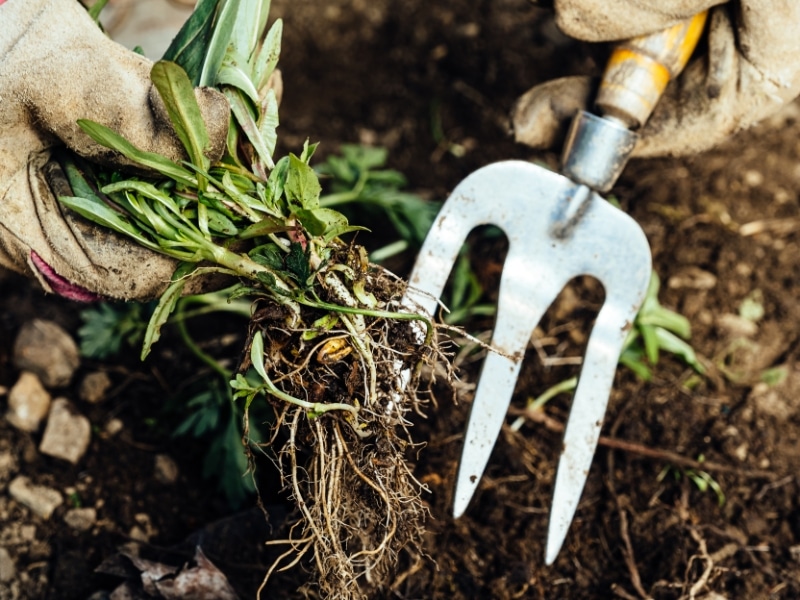
- Hand-pulling works well — if you get the roots. Use a weeding fork or knife to dig out taproots, especially after rain.
- Try sheet mulching, also called lasagne mulching. Layer cardboard, compost and mulch to choke out weeds while building soil.
- Boiling water or vinegar can knock back weeds in paths or between pavers, but be cautious — these methods aren’t selective.
And if you’ve noticed the common signs that your garden needs weed removal — like a sudden surge in one spot or slow plant growth — it’s time to act before things spread.
Table: Comparison of Natural Weed Control Methods
| Method | Best Use | Limitations | Maintenance Needs |
| Mulching | Beds, around trees, pathways | Needs topping up 2–3 times a year | Moderate |
| Manual removal | Small patches, annual weeds | Time-consuming; easy to miss roots | High |
| Sheet mulching | Preparing new garden areas | Takes time to break down fully | Low |
| Natural sprays | Cracks, paths | Not root-effective; not selective | Frequent |
| Ground covers | Between plants, bare spots | Needs initial planting effort | Low after establishment |
Why should experts handle the ways to remove weeds instead of DIY?
Sometimes, doing it yourself just doesn’t cut it — especially when the weeds are persistent or the area is tricky. Here’s where the pros step in:
- They know your local weed species, so they can match the removal method to what actually works.
- They’ve got the gear — from high-powered steamers to soil-safe herbicides for specific use cases.
- They time their interventions to avoid spreading seeds and to hit weeds when they’re weakest.
- Follow-up is part of the deal, so you’re not stuck doing it all over again a few weeks later.
If you’re stuck or want a lasting fix, find reliable weeding solutions for healthier gardens that focus on long-term control — not just a surface cleanup
When is hiring experts better than handling weeds yourself?
It’s worth calling in the pros when the problem goes beyond what you can manage on weekends. Here’s when to hand it over:
- Deep-rooted perennials like oxalis or nutgrass won’t go away easily — they’ll outlast your shovel.
- Weeds near pipes or retaining walls need careful removal to avoid damaging structures.
- Some weeds are hazardous, especially those toxic to kids, pets or pollinators. Proper disposal is key.
- Lack of time or tools — if you’ve done a few rounds already and they keep coming back, your energy is better spent elsewhere.
Final thoughts on ways to remove weeds in your garden
Weed control isn’t about being perfect — it’s about being persistent. A garden that stays mostly weed-free doesn’t happen overnight, but it does happen with the right combo of effort and strategy. If you’re up against more than you can manage, see how All Green Gardening & Landscaping maintains healthy and weed‑free gardens.