
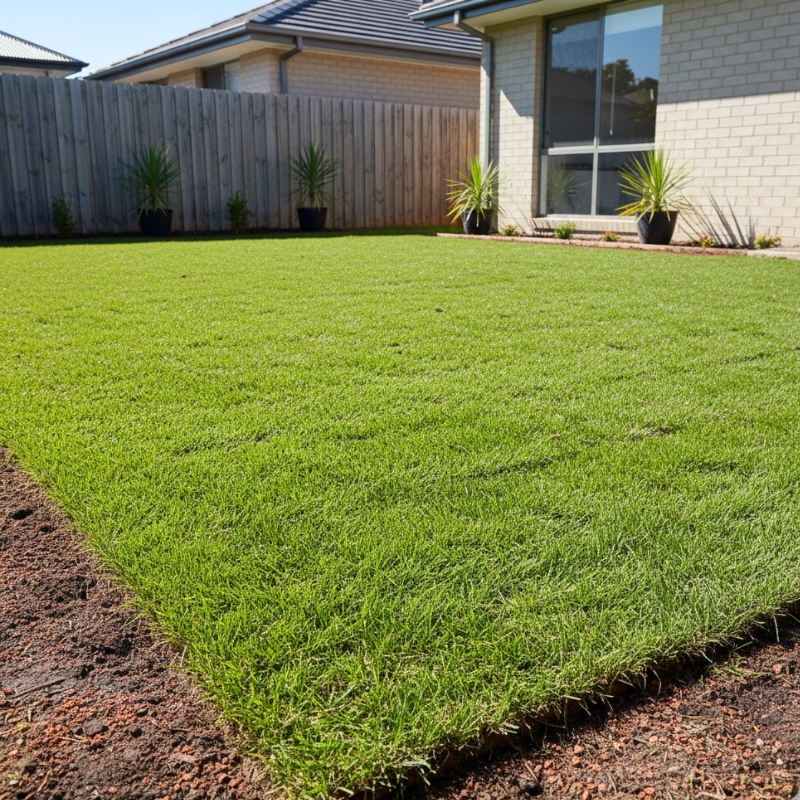
A newly installed lawn doesn’t always look perfect straight away — and that doesn’t automatically mean something has gone wrong. In Sydney, new turf has to cope with heat, clay-heavy soils, sudden rain, watering restrictions, and everyday foot traffic, often all within its first few weeks.
Some early changes are part of normal settling. Others are signs that the lawn is struggling beneath the surface.
The difference usually comes down to root contact, moisture movement, and stability. If turf starts lifting, thinning unevenly, or reacting badly to weather changes, it’s worth understanding why before small issues turn into full failure.
The reality of new lawn failure in Sydney
New lawns don’t fail overnight. They decline gradually, showing warning signs that are often misunderstood or ignored.
Common early symptoms include:
• Yellowing or browning patches
• Turf lifting easily from the soil
• Uneven growth or soft, boggy areas
• Dry edges despite regular watering
• Weed outbreaks within weeks
These issues usually trace back to decisions made before the turf ever touches the ground.
Quick check: when to treat it as a problem
If you notice any of the following, the lawn is likely under stress rather than just settling:
• Turf lifts easily when you tug a corner
• Soft or spongy patches develop underfoot
• Water pools where it didn’t initially
• Colour fades unevenly across sections
• The same area dries out faster than the rest
• Gaps open between turf rolls
Q&A: Is it normal for a new lawn to struggle at first?
Some variation is normal in the first couple of weeks. What’s not normal is turf failing to anchor, repeated drying in the same spots, or visible movement after watering or rain. Those usually point to preparation, drainage, or installation issues.
What “normal” often looks like in Sydney yards
Sydney doesn’t deal with frost damage, but moisture movement and soil compaction are common. Normal early behaviour for a healthy new lawn may include:
• Slight colour variation as roots establish
• Minor edge drying that recovers with watering
• Slower growth during cooler or overcast weeks
• Light footprints that disappear after watering
If the turf feels firm, stays in place, and responds evenly to watering, monitoring is usually enough.
Why newly installed lawns fail: the most common causes
Most lawn failures aren’t caused by poor-quality turf. They’re caused by what’s happening under or around the turf.
1) Inadequate soil preparation
The soil beneath the lawn determines whether roots can establish.
Common preparation issues include:
• Compacted ground that blocks root penetration
• Uneven surfaces causing high and low spots
• Old lawn or debris left underneath
• No suitable underlay for the soil type
Without proper preparation, turf sits on top rather than growing into the ground.
2) Drainage problems (very common after heavy rain)
Sydney downpours can expose drainage weaknesses quickly. When water can’t move away, roots suffocate and soil shifts.
Clues drainage is involved:
• Problems worsen after rain
• Low spots appear or deepen
• Turf feels soft despite regular drying weather
• Water collects along edges or joins
Q&A: Why did my new lawn worsen after a big rain event?
Heavy rain can saturate poorly prepared soil or wash fine material away, leaving gaps under the turf. Once support is lost, turf struggles to re-anchor without corrective work.
3) Poor soil-to-turf contact
Even well-prepared soil won’t help if turf isn’t installed firmly.
This happens when:
• Air pockets remain under rolls
• Turf isn’t pressed into the soil evenly
• Levels weren’t finalised before laying
Good contact is a major reason homeowners rely on laying instant turf correctly rather than rushing the process.
4) Incorrect turf choice for the conditions
Not all turf suits every Sydney yard.
Problems arise when turf doesn’t match:
• Sun and shade levels
• Soil drainage speed
• Intended foot traffic
• Available watering
A turf variety that looks good initially may decline once real conditions kick in.
5) Watering mistakes in the first few weeks
New lawns need consistent moisture — but not constant saturation.
Common mistakes:
• Shallow, frequent watering that never reaches roots
• Overwatering clay soils that drain slowly
• Watering at times of high evaporation
• Reducing watering too early
Roots need encouragement to grow downward, not sit near the surface.
6) Early foot traffic and mowing
A lawn can look established before it actually is.
Early use causes:
• Turf shifting before roots anchor
• Compaction of soft soil
• Visible seams and uneven growth
Keeping traffic off early protects long-term stability.
7) Ignoring edges and transitions
Edges are where problems often start.
Watch for:
• Turf lifting near paths or garden beds
• Drying along borders
• Uneven joins near hard surfaces
Without secure edges, turf can dry out or creep before roots settle.
A simple inspection you can do before deciding what to do next
You don’t need tools — just time and attention.
Step 1: Check for movement
• Gently lift corners in different areas
• Walk across the lawn feeling for softness
• Note any sections that feel different
Step 2: Observe water behaviour
After watering or rain:
• Does water soak in evenly?
• Are there puddles forming?
• Do some areas dry much faster?
Step 3: Look at joins and edges
• Are seams tightening or opening?
• Is soil visible under the turf?
Q&A: How can I tell if the problem is underneath the turf?
If issues keep returning in the same area, worsen after weather changes, or involve movement rather than colour alone, the cause is usually below the surface.
Symptom-to-cause guide: what you’re seeing and what it usually means
Turf lifts easily but soil is dry underneath
Most likely: poor contact or shallow watering
What to do: improve contact and adjust watering depth
Soft, sinking patch after rain
Most likely: drainage or soil compaction issue
What to do: address drainage before re-laying turf
Uneven growth across rolls
Most likely: inconsistent soil levels or moisture
What to do: check levels and watering coverage
Edges drying or shrinking back
Most likely: exposure, poor edging, or soil gaps
What to do: secure edges and improve soil contact
Widespread decline across the lawn
Most likely: preparation or turf suitability issue
What to do: assess the entire base, not just patches
How most lawn failures are prevented
When preparation, turf choice, and installation are handled correctly, most of these problems never appear.
That’s why professional turf installation in Sydney focuses heavily on:
• Soil preparation and leveling
• Correct turf selection
• Proper installation technique
• Early aftercare guidance
A properly installed lawn is far easier to maintain long-term.
When it’s time to get experienced help
Some lawn problems can be monitored. Others shouldn’t be ignored.
It’s time to involve an expert when:
• Turf continues lifting weeks after installation
• Drainage changes affect nearby areas
• The same section keeps failing
• You suspect soil or base issues
• The lawn was installed over mixed ground
In those cases, addressing the root cause early is far more effective than repeated surface fixes. Many homeowners reach this point when reassessing new lawn installation in Sydney after early issues appear.
Final FAQs for Sydney homeowners
How long should a new lawn take to settle?
Most lawns begin anchoring within 2–3 weeks and continue strengthening over 6–8 weeks, depending on conditions.
Can a struggling new lawn recover?
Some can, if addressed early. Repeated failure usually means underlying issues need correction.
Is uneven colour always a problem?
Not always. Consistent decline, movement, or water issues are more concerning than colour alone.
What’s the biggest early red flag?
Movement. Turf that shifts, lifts, or sinks is signalling a structural issue beneath it.
Does Sydney’s soil make lawns harder to establish?
In many areas, yes — especially clay soils. Proper preparation makes the difference.
Final thoughts
Most newly installed lawns fail for the same reason: problems below the surface that aren’t obvious at first. By understanding what’s normal, spotting early warning signs, and addressing the real causes, Sydney homeowners can avoid the frustration of a lawn that never quite settles.
For broader NSW guidance on turf establishment and lawn health, resources from the NSW Department of Primary Industries – turf and lawn guidance provide helpful background information.