
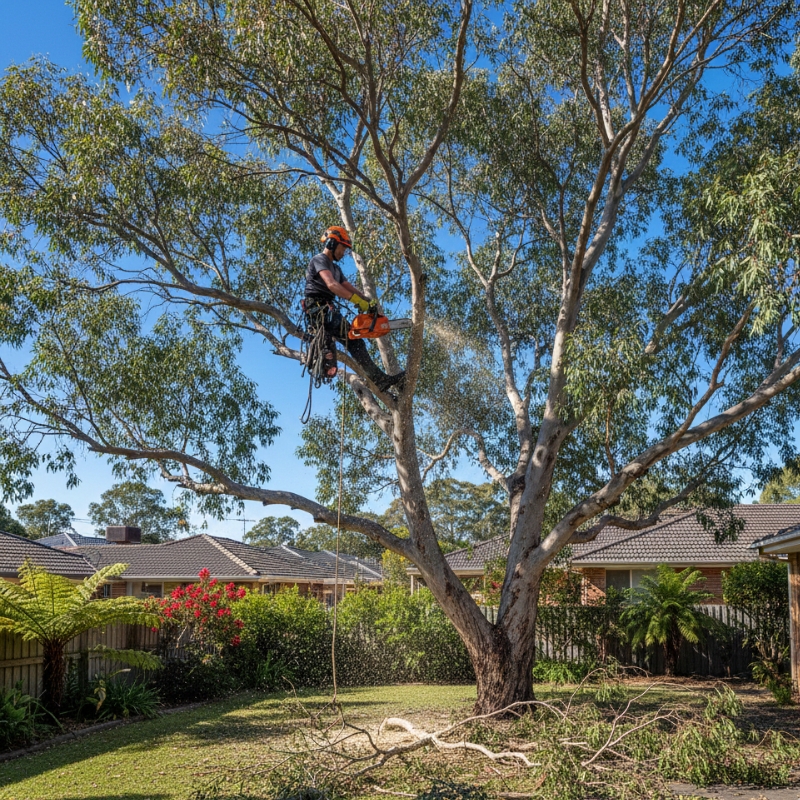
Knowing the best time to prune trees in Sydney isn’t just about keeping your yard tidy. Timing affects tree health, flowering, safety, storm resilience, and even compliance with local council regulations.
Sydney’s climate is unique. Mild winters, warm to hot summers, coastal winds, sudden storms, and native species like eucalypts all influence when — and how — pruning should be done.
This guide breaks it down season by season, with practical advice for homeowners across Sydney and greater NSW.
Why Timing Matters More in Sydney
Tree pruning isn’t one-size-fits-all. In Sydney, several local factors change the equation:
• Subtropical and temperate climate influences
• Sudden summer storms and high winds
• Native species prone to limb drop
• Bushfire season considerations
• Council vegetation controls in many suburbs
Pruning at the wrong time can:
• Stress trees during heatwaves
• Reduce flowering in spring
• Encourage disease spread
• Increase sunburn damage on exposed limbs
• Trigger regrowth that’s more vulnerable to storms
Understanding seasonal growth cycles is key.
Quick Seasonal Overview
While every species differs, here’s a broad guide for Sydney:
• Winter (June–August): Generally, the best time for most structural pruning
• Early Spring (September): Light corrective pruning
• Late Spring–Summer (October–February): Caution required due to heat and active growth
• Autumn (March–May): Minor shaping and deadwood removal
Now let’s explore each season in detail.
Winter (June–August): The Prime Pruning Window
For many trees in Sydney, winter is ideal.
Why Winter Works
During winter, many deciduous trees enter dormancy. Growth slows, energy use drops, and the tree can better tolerate structural pruning.
Benefits include:
• Reduced stress on the tree
• Lower sap flow
• Clearer branch visibility (especially deciduous species)
• Improved wound recovery before spring growth
Winter is particularly suitable for:
• Crepe myrtles
• Liquidambars
• Ornamental pears
• Some fruit trees
• Structural correction in many natives
Native Trees in Winter
Sydney landscapes are full of native species such as:
• Eucalypts
• Bottlebrush (Callistemon)
• Lilly pilly
• Banksia
While natives don’t always go fully dormant, cooler temperatures reduce stress and pest activity.
However, large structural work on mature gum trees should be assessed carefully. Eucalypts can respond unpredictably to heavy pruning.
If you’re unsure about major branch removal, it’s wise to seek advice from a qualified arborist team to ensure structural integrity isn’t compromised.
Early Spring (September): Light Touch Only
Spring is a growth surge period.
Trees are pushing new shoots, flowering, and redirecting energy upward.
What’s Safe in Early Spring?
• Removal of small dead branches
• Minor corrective pruning
• Shaping hedging plants
• Removing storm-damaged limbs
What to Avoid
Heavy pruning in early spring can:
• Reduce flowering
• Trigger excessive soft growth
• Increase vulnerability to pests
For flowering trees like jacarandas, timing is critical. Pruning just before bloom can significantly reduce their display.
If maintaining appearance without harming bloom cycles is important, professional tree pruning in Sydney ensures species-specific timing is respected.
Late Spring to Summer (October–February): Proceed With Caution
Sydney summers bring:
• High temperatures
• UV intensity
• Storm activity
• Sudden wind gusts
Pruning during extreme heat can stress trees significantly.
Risks of Summer Pruning
• Sunburn on newly exposed limbs
• Dehydration stress
• Increased pest and disease vulnerability
• Rapid, weak regrowth
The Gum Tree Factor
Eucalypts are notorious for summer limb drop. This phenomenon often occurs during hot, still days when trees shed heavy branches unexpectedly.
Light canopy thinning before peak summer can reduce risk — but over-pruning can worsen instability.
If large branches overhang driveways, roofs, or pedestrian areas, summer safety concerns may justify assessment by experienced Sydney arborists rather than DIY cutting.
Autumn (March–May): Preparation Season
Autumn in Sydney is often mild and stable.
It’s a practical time for:
• Removing deadwood
• Light shaping
• Clearing crossing branches
• Preparing trees before winter
However, avoid aggressive pruning late in autumn, as fresh cuts may not harden before colder weather.
Autumn is also a strategic time to assess trees before winter storm systems roll through.
Month-by-Month Guide for Sydney Homeowners
June–July
Best window for structural pruning and canopy correction.
August
Last strong opportunity before spring growth begins.
September
Light pruning only; avoid removing flowering wood.
October–November
Monitor growth; remove minor hazards.
December–January
Avoid major work during heatwaves.
February
Light corrective pruning if necessary.
March–April
Deadwood removal and minor reshaping.
May
Pre-winter preparation.
This timing may vary depending on species, tree maturity, and microclimate.
Do You Need Council Approval in Sydney?
Tree management in NSW is regulated at the local council level.
Many councils require approval before removing or significantly pruning certain trees, especially:
• Trees above a specific height
• Trees with trunk diameters above set limits
• Heritage-listed species
• Trees in conservation areas
The NSW Government Planning Portal provides guidance on vegetation controls and local planning requirements.
Before undertaking major pruning, always check your council’s Tree Preservation Order (TPO) requirements.
Failure to comply can result in significant fines.
Species-Specific Considerations in Sydney
Jacaranda
• Prune after flowering
• Avoid heavy pre-bloom cuts
Lilly Pilly
• Tolerates light shaping year-round
• Avoid extreme heat pruning
Eucalypt
• Avoid excessive canopy removal
• Focus on hazard reduction
Fruit Trees
• Winter is typically ideal
• Prune to encourage airflow and fruiting structure
Each species behaves differently — timing matters.
When You Should Not Prune
Avoid pruning when:
• A heatwave is forecast
• Trees are drought-stressed
• Active nesting wildlife is present
• Fungal disease outbreaks are spreading
• Severe storms are imminent
Wildlife protection is particularly important in NSW. Birds often nest in spring, and disturbance can breach environmental protections.
Can Pruning Reduce Storm Damage?
Yes — if done correctly.
Strategic pruning can:
• Reduce canopy density
• Remove weak branch unions
• Improve wind resistance
• Eliminate deadwood
However, over-thinning can destabilise trees and increase the wind sail effect.
Storm preparation pruning is best done in winter or early spring.
If large limbs overhang structures, consulting trusted tree care solutions ensures that safety and compliance are balanced.
Common Homeowner Mistakes
• Topping trees aggressively
• Removing too much canopy at once
• Using blunt tools
• Pruning at the wrong time for flowering species
• Ignoring council regulations
Tree topping, in particular, can:
• Cause structural weakness
• Lead to rapid weak regrowth
• Shorten tree lifespan
Correct structural pruning improves longevity and safety.
How Often Should Trees Be Pruned?
There’s no universal rule.
General guidelines:
• Young trees: formative pruning every 2–3 years
• Mature trees: structural assessment every 3–5 years
• High-risk areas: annual inspection
Fast-growing species may require more frequent monitoring.
Signs It’s Time to Seek Professional Advice
Consider a professional assessment if:
• Branches are near powerlines
• Large limbs overhang roofs
• The tree is leaning
• Cracks appear in major unions
• Fungal growth is visible at the base
• Roots are lifting paving
These situations require trained judgement and specialised equipment.
Frequently Asked Questions
What month is best to prune trees in Sydney?
June and July are typically ideal for most structural pruning due to cooler temperatures and reduced growth activity.
Can I prune trees in summer?
Light pruning is possible, but avoid heavy cuts during extreme heat.
Does pruning stop the gum tree branch drop?
It can reduce risk if weak limbs are identified and removed correctly, but improper pruning may increase instability.
Will pruning affect flowering?
Yes. Pruning before bloom can significantly reduce flowers. Always check the species-specific cycle.
Do all trees need regular pruning?
No. Some mature natives require minimal intervention unless safety risks develop.
Is winter always the safest option?
For most structural work, yes. However, species, health, and local conditions still matter.
Final Thoughts for Sydney Homeowners
The best time to prune trees in Sydney depends on:
• Species
• Tree maturity
• Location
• Local climate conditions
• Council regulations
In general, winter provides the safest and most effective window for structural work. Spring and summer require caution, and autumn is suitable for light maintenance.
Proper timing improves tree health, enhances safety, and protects your property during storm season.
If you’re unsure whether your trees need corrective pruning or hazard reduction, speaking with experienced professionals ensures decisions are made with long-term health and compliance in mind.
Sydney’s climate and native species present unique challenges — and informed timing makes all the difference.