
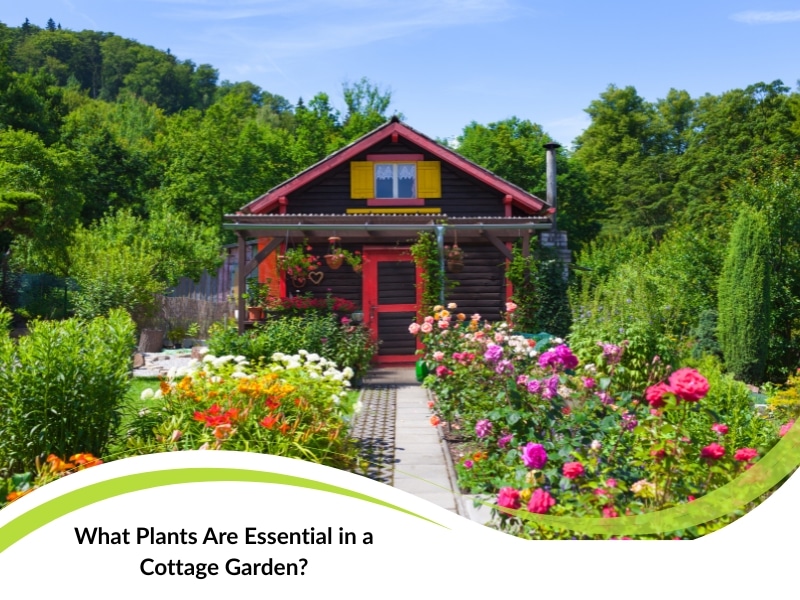
There’s something magical about a cottage garden — overflowing borders, tangled vines, and colour popping up where you least expect it. It feels like stepping into a fairytale. But turning that dream into reality? That’s where many Aussies run into strife.
Plenty of folks dive in with good intentions and a bootload of plants, only to see their garden lose steam after a season. Maybe the layout didn’t hold up, or the flowers clashed more than they complemented. A well-built cottage garden isn’t thrown together — it’s carefully layered to look effortless.
The good news? You don’t need a massive budget. You need the right plants, smart placement, and a bit of know-how. Let’s unpack what can go wrong — and how to get it right from the roots up.
Why do some cottage garden layouts fail over time?
Not every cottage garden ends up the storybook scene you imagined. Sometimes they start off strong, but a year in, it’s more wild mess than romantic retreat. Why? Because the charm of a cottage garden is all smoke and mirrors — beneath the chaos is a heap of planning. When that’s skipped, problems creep in. Common slip-ups include:
- Cramming in too many plants too soon
- Grouping plants that hate each other’s guts
- Ignoring the garden’s sun, shade, and soil conditions
- No airflow, leading to mildew and sickly growth
Another one? Forgetting to think seasonally. A garden that peaks in spring but dies off come summer will leave your yard looking half-baked for most of the year.
Think of your layout like a good recipe. Balance your ingredients, give things room to breathe, and make sure there’s something blooming no matter the month. Skip that, and you’ll be knee-deep in regrets before winter hits.
What problems occur when using poor-quality timber for garden projects?
Timber adds warmth and structure to garden spaces. Whether it’s used for edging, raised beds, or pergolas, the wrong timber can wreak havoc in the long run. Problems from poor timber choices include:
- Rot and mould growth in damp conditions
- Splintering that poses safety risks
- Warping from inconsistent treatment
- Susceptibility to termites and pests

Cheaper options often skip the proper treatments needed for outdoor use. Over time, untreated or low-grade timber breaks down, dragging your whole garden aesthetic with it. Even if you’re chasing affordable gardening ideas, timber is not the place to cut corners. Invest once, and you won’t be redoing your borders every couple of years.
Why do many new cottage garden designs struggle to flourish?
You’ve followed guides, planted the right flowers, even mulched and watered regularly. So why is your cottage garden still struggling? Some overlooked causes include:
- Plants chosen for looks, not climate
- Poor drainage, especially in older suburban soils
- Lack of soil prep before planting
- Ignoring microclimates in your yard
Poor plant selection for local conditions is a silent killer. That pretty foxglove might love English summers but hate your Aussie heat. Without adjusting for your specific region, even classic cottage plants won’t perform.
There’s also the “shiny object” problem. Gardeners get swept up in trends or nursery specials, building a collection of plants that don’t play nicely together. Cohesion matters. Group by water needs, soil preference, and growth style — your plants will thank you.
Which companion plants thrive best in a cottage garden?
A true cottage garden is more than pretty flowers. It’s a community of plants working together — shading, attracting pollinators, and deterring pests. Companion combos that thrive include:
| Primary Plant | Companion | Benefit | Bloom Time |
| Roses | Lavender | Pest control, pollination | Spring–Summer |
| Tomatoes | Basil | Improves flavour, deters pests | Late Summer |
| Marigolds | Beans | Nematode repellent | Spring–Autumn |
| Strawberries | Thyme | Ground cover, deters beetles | Late Spring |
The trick is to balance bloom times and foliage. Think of it like a pub roster — you want consistent action across the seasons, not one big Friday night followed by silence. If you’re struggling to keep it all alive, consider bringing in an expert garden maintenance service to help identify which combinations work best for your soil and sun patterns.
How do garden worms enrich the soil in a cottage garden?
Worms might not be glamorous, but they’re the tradies of your garden — doing the hard yards underground. Worms improve your cottage garden by:
- Creating tunnels for drainage and aeration
- Breaking down organic material into nutrients
- Improving root penetration
- Spreading beneficial microbes through the soil
Without them, soil becomes compacted and lifeless. Healthy worm activity is a strong sign your garden is thriving naturally. Want to encourage them? Add compost, avoid chemical fertilisers, and mulch well. They’ll repay you with fertile, fluffy soil enrichment methods and organic matter.
What design tips keep a garden path natural and inviting?
Garden paths aren’t just functional — they shape the entire experience of your space. The wrong path can make a small garden feel cramped or break the flow of a well-planted space. Design tips for keeping paths natural include:
- Use crushed granite, bark chips, or reclaimed brick
- Curve paths to guide the eye and feel less rigid
- Border with soft plants like thyme or lamb’s ear
- Match path width to how it’s used (main vs. side routes)
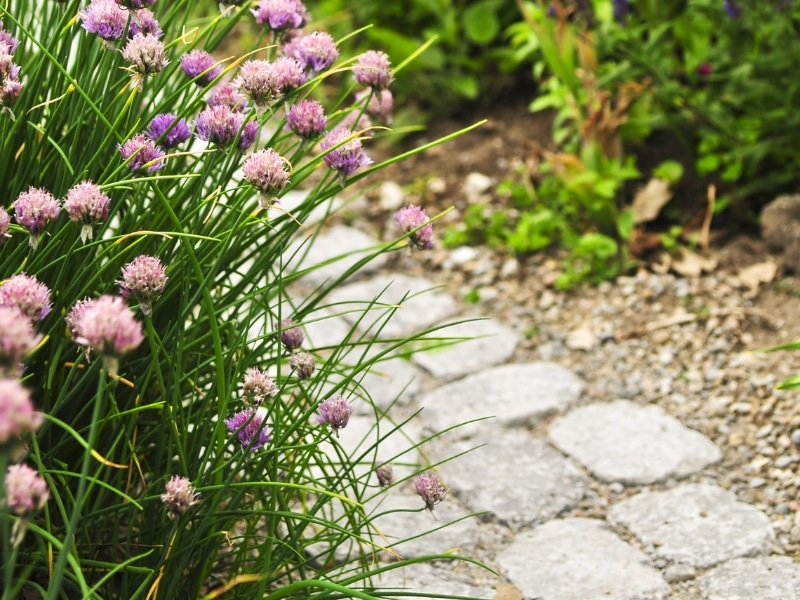
Straight concrete slabs can feel sterile in a garden meant to feel like a wild retreat. Overly formal paths can kill the charm of a cottage layout. Keep materials organic, colours muted, and layouts flowing. This not only looks good — it makes the space feel larger and more inviting.
And if you’re aiming for something that looks good and functions well without fuss, focus on practical gardening hacks that suit your space and soil. Small changes like material swaps or a touch of curve can transform the whole feel of your garden.
Final thoughts on building a flourishing cottage garden
A cottage garden should feel like it’s been there forever — a bit wild, a bit worn-in, but thriving. That doesn’t happen by luck. It takes a bit of graft, a nose for what works in your patch, and plants that pull their weight.
Don’t sweat over perfection. The best cottage gardens evolve with time — a surprise self-seeder here, a bit of trial-and-error there. Stick with it, and your garden will reward you in spades.
And if you’re unsure what to plant, when to prune, or where to place that climbing rose, you can always turn to practical advice from All Green Gardening & Landscaping. We know our grevilleas from our geraniums, and we’re happy to lend a hand.