
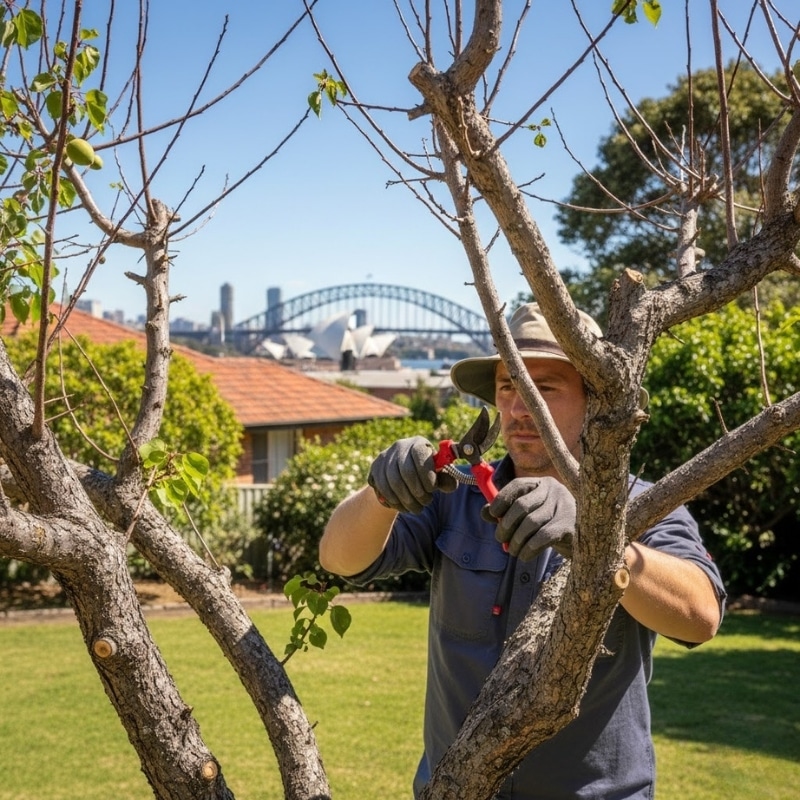
Apricot trees are popular in Sydney gardens thanks to their early fruiting, attractive blossoms, and suitability for home orchards. However, apricot trees are also one of the most sensitive fruit trees when it comes to pruning. Incorrect timing or technique can quickly lead to disease, poor fruiting, or long-term decline.
Because Sydney’s climate is warmer and more humid than many traditional apricot-growing regions, professional apricot tree pruning in Sydney requires a local, experience-based approach rather than generic online advice.
This guide explains what Sydney homeowners need to know about apricot tree pruning, including when to prune, how professionals manage disease risk, and when DIY pruning can cause more harm than good.
Why Apricot Trees Require a Different Pruning Approach
Apricot trees belong to the stone fruit family, which makes them far more vulnerable to pruning-related issues than apples or pears.
High Disease Sensitivity
Apricot trees are particularly prone to:
• Fungal infections
• Bacterial canker
• Gumming and dieback
Poor pruning practices — especially during wet or cold conditions — dramatically increase these risks in Sydney’s climate.
Early Flowering and Fruit Set
Apricots flower earlier than many other fruit trees. Incorrect pruning timing can:
• Remove fruiting wood
• Reduce harvest size
• Delay or disrupt fruit development
This is one of the main reasons professional assessment is recommended.
When Is the Best Time to Prune Apricot Trees in Sydney?
Unlike apples, apricots should not be heavily pruned in winter.
Late Summer to Early Autumn Is Ideal
In Sydney NSW, the safest time for major apricot pruning is usually:
• Late summer
• Early autumn (after fruit harvest)
This timing:
• Reduces fungal infection risk
• Allows wounds to heal faster
• Minimises sap bleeding and gumming
Why Winter Pruning Is Risky for Apricots
Winter pruning in Sydney can:
• Expose fresh cuts to moisture
• Encourage disease entry
• Lead to branch dieback
This is one of the most common mistakes homeowners make after reading generic fruit tree advice.
Light Pruning at Other Times
Light maintenance pruning may be done to:
• Remove damaged branches
• Improve airflow
• Address safety concerns
However, structural pruning should be left to experienced professionals.
How Professional Apricot Tree Pruning Is Done
Professional pruning focuses on tree health first, not just appearance.
Structural Assessment
Before pruning, professionals assess:
• Branch structure and load
• Tree balance
• Previous pruning scars
• Signs of disease or stress
This ensures pruning supports long-term stability and fruit production.
Selective Branch Removal
Professional pruning involves:
• Removing crossing or rubbing branches
• Eliminating inward-growing growth
• Maintaining an open canopy
The goal is to allow sunlight and airflow without overexposing the tree.
Controlled Cut Techniques
Correct pruning cuts:
• Heal faster
• Reduce infection risk
• Prevent bark tearing
This level of precision is difficult to achieve without training and experience.
Common Apricot Tree Pruning Mistakes in Sydney
Pruning at the Wrong Time
Pruning during winter or wet conditions is the number one cause of apricot tree decline in Sydney.
Over-Pruning
Removing too much growth can:
• Trigger stress responses
• Causes excessive sap bleeding
• Reduce fruit yieldin the following season
Treating Apricots Like Other Fruit Trees
Apricots cannot be pruned like apples, pears, or citrus. Applying the same techniques often leads to long-term damage.
DIY vs Professional Apricot Tree Pruning
When DIY Pruning May Be Acceptable
DIY pruning may be suitable if:
• The tree is young and small
• Only minimal deadwood removal is needed
• Conditions are dry and warm
Even then, cuts should be minimal.
When Professional Pruning Is Strongly Recommended
Professional help is advised when:
• Trees are mature or large
• Structural pruning is required
• Disease symptoms are present
• Fruit production has declined
Engaging experts who offer professional apricot tree pruning in Sydney ensures the tree is pruned safely and at the correct time.
Sydney Climate Considerations for Apricot Trees
Humidity and Disease Pressure
Sydney’s humidity increases:
• Fungal disease risk
• Wound infection likelihood
This makes timing and technique far more critical than in drier regions.
Council and Tree Management Considerations
Some properties may fall under local council vegetation rules. NSW government guidance on tree and vegetation management provides general direction on responsibilities and compliance for property owners.
Benefits of Professional Apricot Tree Pruning
Professional pruning offers long-term advantages:
• Healthier trees
• Improved fruit size and quality
• Reduced disease risk
• Safer garden environments
• Lower long-term maintenance costs
Homeowners looking for comprehensive apricot tree pruning options available often find professional services deliver far better results than repeated DIY attempts.
Frequently Asked Questions About Apricot Tree Pruning
Do apricot trees need pruning every year?
Yes, but pruning should be light and correctly timed to avoid stress and disease.
Can apricot trees be pruned in winter?
Winter pruning is not recommended for apricots in Sydney due to high disease risk.
Why is my apricot tree producing less fruit?
Common causes include incorrect pruning, disease, overcrowded growth, or poor airflow.
Is professional pruning worth it?
For apricot trees, professional pruning often prevents long-term damage and improves overall productivity.
Choosing the Right Apricot Tree Pruning Service in Sydney
When selecting a provider, look for:
• Local Sydney experience
• Knowledge of stone fruit pruning
• Disease-aware pruning techniques
• Safe and compliant work practices
Professional apricot pruning protects both your tree and your investment in your garden. If you want to learn more about tree pruning requirements, working with experienced local professionals can prevent costly mistakes.