
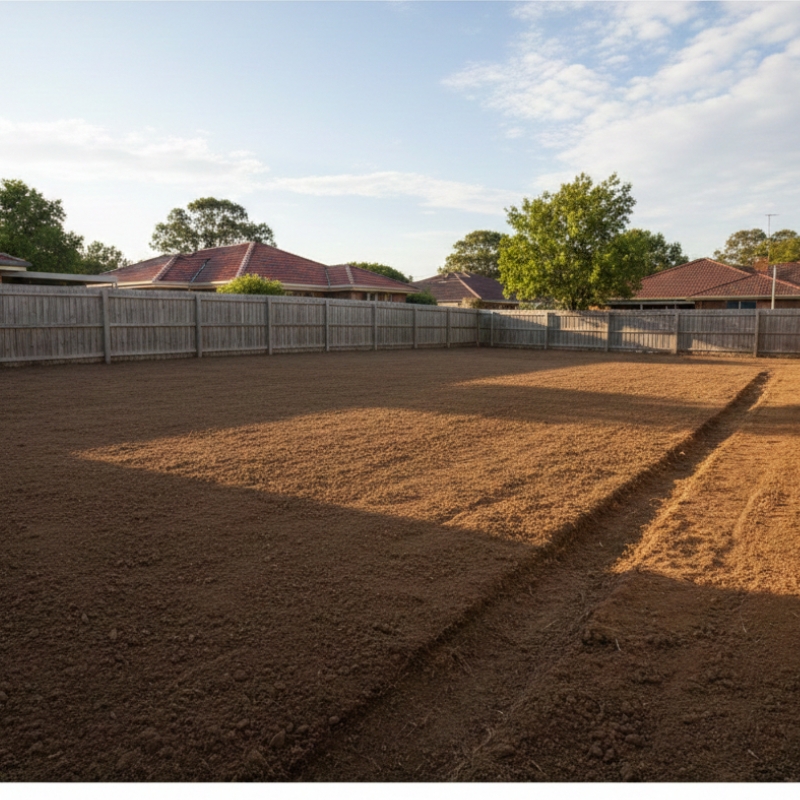
A healthy, long-lasting lawn doesn’t start with turf — it starts with preparation. In Sydney, where soil conditions, rainfall patterns, and block types vary widely from suburb to suburb, proper yard preparation is often the difference between turf that thrives and turf that struggles from day one.
Many homeowners assume turf problems are caused by poor-quality grass. In reality, most issues can be traced back to what happened before the turf ever touched the ground. Uneven soil, compacted ground, poor drainage, or leftover weeds can undermine even the best turf varieties.
This guide walks you through how to prepare your yard properly before new turf goes down, with practical advice tailored to Sydney conditions. Whether you’re planning a DIY project or coordinating with professionals, understanding these steps helps you avoid costly mistakes and sets your lawn up for success.
Why Proper Yard Preparation Matters for New Turf
New turf has a short window to establish roots. During those first few weeks, the grass relies entirely on the condition of the soil beneath it. If the ground is poorly prepared, roots struggle to penetrate, water pools or drains away too quickly, and nutrients become inaccessible.
In Sydney, common preparation-related failures include:
• Turf lifting or shrinking due to uneven ground
• Patchy growth caused by compacted clay soil
• Yellowing turf from poor drainage
• Weeds pushing through thin or poorly prepared soil
Good preparation ensures:
• Strong root establishment
• Even growth across the entire lawn
• Better drought tolerance in warmer months
• Reduced maintenance and repairs later
Step 1: Assess Your Yard and Existing Conditions
Before removing anything or adding soil, take time to assess your yard honestly. Preparation isn’t one-size-fits-all, especially across Sydney’s diverse housing blocks.
Identify Your Soil Type
Sydney homes commonly sit on:
• Clay-heavy soils in western and inner suburbs
• Sandy soils closer to coastal areas
• Mixed or filled soil on newer developments
Clay soil holds water but compacts easily. Sandy soil drains quickly but struggles to retain nutrients. Knowing what you’re working with determines how much improvement is needed before turf arrives.
Check Slope and Drainage
Walk your yard after rain if possible. Look for:
• Areas where water pools
• Sections that remain soggy longer than others
• Slopes directing water toward the house
Drainage issues should always be addressed before turf installation. Turf laid over poorly draining ground rarely recovers.
Measure Levels Around Hard Surfaces
Check heights around:
• Paths
• Driveways
• Decks
• Garden edging
Your finished turf height should sit just below hard surfaces to allow proper runoff and mowing clearance.
Step 2: Remove Old Grass, Weeds, and Debris
New turf should never be laid over existing grass or weeds. Doing so creates competition for water and nutrients and often leads to uneven settling.
Removing Existing Lawn
Options include:
• Manual removal with a turf cutter or spade
• Mechanical removal for larger areas
The goal is to remove all grass, roots, and runners — not just the surface growth.
Weed Control Considerations
If weeds are present:
• Remove them completely, roots included
• Avoid laying turf over chemically treated areas without allowing proper breakdown time
Weeds left behind often resurface through new turf within weeks.
Clear Construction Debris
Especially common in newer Sydney builds, hidden rubble, bricks, or concrete chunks can interfere with root growth and drainage. Clear the area thoroughly before moving on.
Step 3: Improve Soil Structure for Sydney Conditions
Once the area is clear, the focus shifts to building a suitable soil base. This step is often rushed — and it’s where most turf failures begin.
Loosen Compacted Soil
Before adding new soil, loosen the existing ground to:
• A depth of at least 100–150 mm
• Break up hard clay layers
• Improve oxygen flow to roots
In compacted Sydney clay, this step is essential. Turf roots won’t penetrate hard ground without it.
Add Quality Underlay Soil
Most Sydney yards benefit from imported underlay or lawn soil. This layer:
• Improves drainage
• Adds organic matter
• Creates a consistent growing medium
Spread soil evenly and avoid mixing poor subsoil with quality top layers.
Avoid Overworking Wet Soil
Working soil when it’s too wet can cause compaction. Aim for soil that’s slightly damp but crumbly when squeezed.
Step 4: Level the Yard Properly
Levelling isn’t about perfection — it’s about consistency. Poor levelling leads to visible dips, scalping during mowing, and uneven water distribution.
What “Level Enough” Really Means
Your yard should:
• Slope gently away from buildings
• Have no low spots where water can collect
• Sit evenly along boundaries and edges
Minor undulations may not seem important now but become very noticeable once turf is laid.
Compacting Without Over-Compacting
Light compaction helps prevent settling after turf installation. However:
• Over-compaction restricts root growth
• Under-compaction causes sinking and uneven patches
A balanced approach is key.
Step 5: Address Drainage Before Turf Goes Down
Drainage problems should never be ignored or “fixed later.” Turf installed over drainage issues almost always fails.
Signs You Need Drainage Improvements
• Water pooling after rain
• Heavy clay soil that stays wet
• Downpipes discharging into the lawn
Solutions may include:
• Improving soil composition
• Adjusting yard slope
• Installing subsurface drainage where necessary
If drainage concerns are complex, this is often the point where homeowners turn to professional turf laying in Sydney to ensure the groundwork is done correctly and permanently.
Step 6: Final Pre-Turf Checks Before Delivery
In the days just before turf arrives, a few final checks can prevent last-minute issues.
Ensure Correct Soil Moisture
Soil should be:
• Lightly moist
• Not muddy or dusty
Dry soil pulls moisture away from new turf. Overly wet soil causes slipping and uneven placement.
Confirm Levels One Last Time
Double-check:
• Edge heights
• Transitions to paths and patios
• Drainage fall direction
Once turf is laid, fixing level issues becomes significantly harder.
Timing Matters
Turf should be laid as soon as possible after delivery. Make sure:
• Preparation is fully complete beforehand
• Access points are clear
• Tools and materials are ready
Common Yard Preparation Mistakes Sydney Homeowners Make
Even with good intentions, certain mistakes show up repeatedly across Sydney projects.
Skipping Soil Improvement
Relying on existing soil without improvement often leads to weak turf establishment, especially in clay-heavy suburbs.
Ignoring Drainage Because “It’s Fine Most of the Time”
Occasional pooling may not seem serious, but it often worsens once turf blocks natural evaporation.
Rushing Levelling
Uneven lawns rarely improve over time. They usually get worse.
Underestimating the Work Involved
Preparation typically takes longer and requires more effort than laying the turf itself. This is why many homeowners ultimately work with turf installation specialists once they see the scope involved.
DIY vs Professional Preparation: Knowing the Difference
Some yards are well-suited to DIY preparation. Others present challenges that aren’t obvious until problems appear.
DIY Preparation May Be Suitable If:
• The yard is flat
• Soil drains reasonably well
• Area is small and accessible
Professional Preparation Is Often Needed When:
• Soil is heavily compacted or clay-dominant
• Drainage issues exist
• The yard is sloped or uneven
• Access for machinery is limited
In these cases, engaging new lawn turf services ensures the preparation supports the turf rather than undermining it.
Sydney-Specific Considerations Homeowners Often Miss
Local Soil Profiles
Sydney’s soil composition varies significantly even within short distances. What works in one suburb may fail in another.
Rainfall Patterns
Sudden downpours can overwhelm poorly prepared soil, especially during seasonal transitions.
New Builds and Fill Soil
Many newer homes sit on filled ground that settles over time. Extra preparation helps prevent future sinking.
Guidance from the NSW Government lawn and soil preparation highlights the importance of proper soil structure and drainage when establishing lawns in local conditions.
Frequently Asked Questions
How deep should the soil be prepared before new turf?
Ideally, the top 100–150 mm should be loosened and improved to allow root penetration and drainage.
Should old grass always be removed?
Yes. Turf should never be laid over existing grass or weeds, as this prevents proper rooting.
Can I prepare my yard weeks before turf arrives?
Yes, but soil may need re-levelling and moistening closer to installation to ensure optimal conditions.
Is levelling really that important?
Yes. Even small level issues become more noticeable once turf is laid and mowing begins.
What happens if preparation is done poorly?
Common outcomes include uneven growth, drainage problems, weed invasion, and turf failure within months.
Getting the Best Result From Your New Turf
Preparing your yard properly is the most important step in achieving a healthy lawn. While turf quality matters, it can’t compensate for poor groundwork.
By taking the time to remove old material, improve soil, manage drainage, and level correctly, you give new turf the best possible start — especially under Sydney’s unique conditions.
For homeowners unsure about soil quality, drainage, or levelling, preparation support from experienced professionals often saves time, money, and frustration in the long run.