
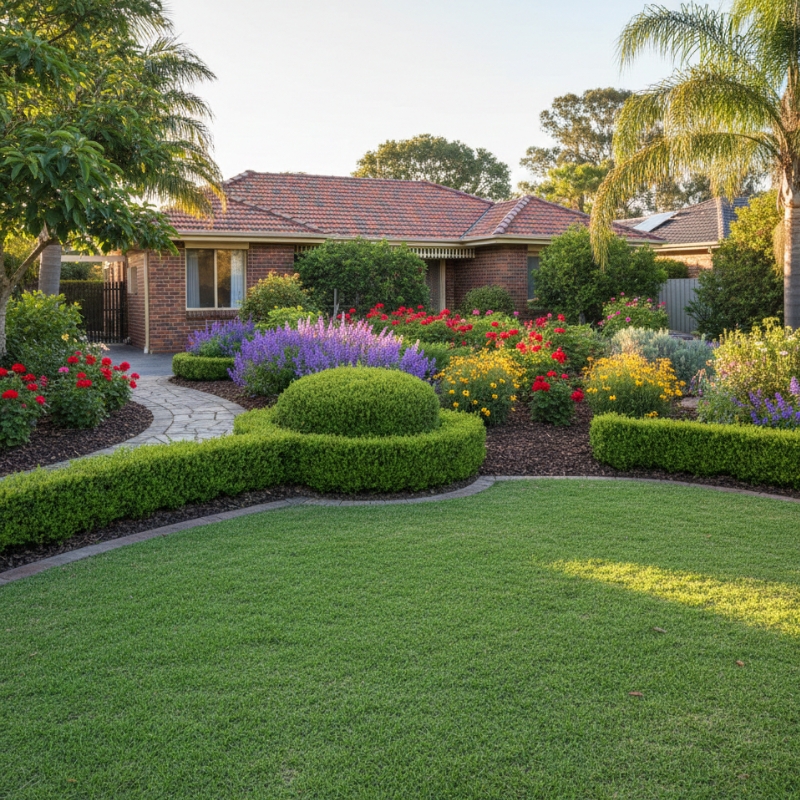
If you live in Sydney, you’ve probably noticed that your garden — and your gardening routine — doesn’t follow a neat, predictable pattern. Some months it explodes with growth. Other times, it barely moves. Then there are those weeks of heavy rain where everything seems to grow overnight.
So, how often should garden maintenance be done in Sydney’s climate?
The short answer: it depends on the season, your plant selection, and how polished you want your garden to look. For most Sydney homes, maintenance every 2–4 weeks during peak growing seasons and every 4–8 weeks in cooler months is typical.
But that’s only the starting point. Let’s break it down properly.
Why Sydney’s Climate Changes Everything
Sydney has a humid subtropical climate. Summers are warm to hot with higher humidity and storms, while winters are mild and relatively stable. According to the Australian Government’s Bureau of Meteorology, Sydney experiences consistent rainfall throughout the year, with summer storms often accelerating plant growth.
This matters because:
• Warm temperatures increase lawn growth rates
• Humidity encourages weeds and fungal issues
• Rainfall triggers rapid hedge and plant growth
• Mild winters mean growth doesn’t completely stop
Sydney has a humid subtropical climate. Summers are warm to hot with higher humidity and storms, while winters are mild and relatively stable. According to the Australian Government’s Bureau of Meteorology, Sydney experiences consistent rainfall throughout the year, with summer storms often accelerating plant growth.
Unlike cooler regions where gardens “shut down” in winter, Sydney gardens stay active year-round — just at different speeds.
That’s why a fixed “once-a-month” approach often doesn’t work.
The Ideal Garden Maintenance Frequency by Season
Summer (December–February)
Summer is the peak growth season in Sydney.
Lawns, especially buffalo and couch varieties, can grow rapidly with heat and moisture. Weeds thrive. Hedges can quickly lose their shape.
Typical frequency:
• Lawn mowing: every 1–2 weeks
• Hedge trimming: every 3–4 weeks
• Weeding: ongoing
• Irrigation checks: fortnightly
If you wait a full month between visits in summer, you’ll likely notice:
• Overgrown, uneven lawn
• Seed heads forming
• Hedges losing structure
• Weeds are spreading aggressively
For homeowners who want a consistently neat appearance, fortnightly visits during summer are often the sweet spot.
Autumn (March–May)
Autumn is transitional. Growth slows slightly but remains active.
This is also a key period for:
• Soil conditioning
• Mulching
• Pruning certain plant varieties
• Preparing lawns for cooler months
Typical frequency:
• Lawn mowing: every 2–3 weeks
• Hedge trimming: every 4–6 weeks
• Garden bed tidy-up: monthly
Autumn is less about rapid growth control and more about garden health and preparation.
Winter (June–August)
Sydney winters are mild. Grass growth slows but doesn’t completely stop.
Many homeowners assume no maintenance is required in winter — this is a common mistake.
Typical frequency:
• Lawn mowing: every 4–6 weeks
• Light pruning: as needed
• Leaf clearing: ongoing
• Weed monitoring: monthly
Winter is the ideal time for structural pruning and reshaping without stressing plants.
Neglect during winter often leads to a messy spring surge.
Spring (September–November)
Spring is another high-growth period.
As temperatures rise and daylight increases, plants respond quickly.
Typical frequency:
• Lawn mowing: every 1–2 weeks
• Hedge trimming: every 3–4 weeks
• Fertilising: early spring
• Weed control: proactive
If maintenance lapses in spring, growth quickly becomes overwhelming.
Is Monthly Garden Maintenance Enough in Sydney?
This is one of the most common questions homeowners ask.
For Low-Maintenance Gardens
If your garden includes:
• Native plants
• Slow-growing hedges
• Established trees
• Minimal lawn
Monthly visits may be sufficient for most of the year, with increased frequency in spring and summer.
For High-Growth or Formal Gardens
If your property has:
• Large lawn areas
• Fast-growing hedges
• Flowering borders
• Irrigated turf
Monthly maintenance is often not enough during peak growth.
In these cases, ongoing garden maintenance every two weeks during warmer months keeps everything manageable and prevents catch-up work.
Lawn Growth in Sydney: What Most People Underestimate
Sydney lawns respond strongly to:
• Heat
• Rainfall
• Fertiliser
• Irrigation
After summer storms, you might notice visible growth within days.
Waiting too long between mowing can cause:
• Scalping when cut too short
• Thatch build-up
• Uneven colour
• Increased weed intrusion
A regular schedule avoids stress cycles and keeps the turf healthier overall.
Hedges and Shrubs: How Often Should They Be Trimmed?
Hedges grow fastest in spring and summer.
Most structured hedges in Sydney require:
• Light shaping every 4 weeks in peak season
• Structural trimming once or twice per year
Delaying hedge trimming often leads to:
• Woody growth
• Uneven surfaces
• Increased recovery time
Consistent shaping maintains density and reduces heavy corrective pruning later.
What Happens If Garden Maintenance Is Delayed?
Delaying maintenance doesn’t just affect appearance.
It can lead to:
• Weed seeding and spread
• Pest harbourage
• Lawn disease
• Plant stress
• Drainage blockages from leaf build-up
When small issues are left too long, they often become bigger jobs requiring more time and cost to fix.
Consistency is usually more efficient than reactive clean-ups.
Property Type Matters
Not all Sydney properties require the same frequency.
Coastal Homes
Salt exposure and wind can stress plants. Growth may be uneven. Regular monitoring is important.
Shaded Inner-Suburb Blocks
Less sunlight slows growth but increases moisture retention and fungal risk.
Large Family Homes
Heavier foot traffic impacts lawn recovery rates.
Rental Properties
Infrequent maintenance can lead to rapid deterioration, especially during summer.
This is where tailored garden maintenance plans make a noticeable difference — frequency is adjusted based on property conditions, not guesswork.
Signs Your Garden Needs More Frequent Maintenance
If you notice:
• Lawn growing faster than expected
• Weeds reappearing quickly
• Hedges losing shape within weeks
• Plants looking stressed or overcrowded
• Edges becoming indistinct
Your schedule may need tightening.
Sometimes, increasing frequency by just one visit per month stabilises everything.
Can You Do It Yourself?
Many homeowners manage basic tasks themselves. However, consistency is the real challenge.
Ask yourself:
•Do you have time every fortnight in summer?
•Can you maintain hedge lines evenly?
•Are you confident in identifying early plant stress?
•Will you stick to a schedule during busy periods?
DIY works when the routine is realistic.
When schedules slip, gardens quickly show it.
When Does Professional Support Make Sense?
You don’t necessarily need constant help, but there are situations where structured support makes life easier:
• Busy work schedules
• Travel commitments
• Investment properties
• Larger or complex gardens
• Desire for consistently neat presentation
In those cases, exploring garden maintenance solutions in Sydney can help keep growth predictable and prevent seasonal overwhelm.
The goal isn’t over-servicing. It’s right-sizing the frequency.
How Often Should Garden Maintenance Be Done? Final Breakdown
Here’s a practical guideline for most Sydney homes:
• Summer: every 2 weeks
• Spring: every 2 weeks
• Autumn: every 3–4 weeks
• Winter: every 4–6 weeks
Adjust based on:
• Lawn size
• Plant growth rate
• Desired appearance
• Budget
• Time availability
Gardens are living systems. The ideal schedule is flexible, not fixed.
Frequently Asked Questions
Do gardens need maintenance in winter in Sydney?
Yes. Growth slows but doesn’t stop. Winter is ideal for pruning, soil care and structural work.
Is fortnightly maintenance excessive?
Not during spring and summer. In high-growth months, fortnightly care prevents overgrowth and reduces corrective work.
What if my garden is mostly native plants?
Native gardens often require less frequent trimming but still benefit from seasonal checks, mulching and weed control.
Does rainfall increase maintenance frequency?
Absolutely. Heavy rain accelerates lawn and weed growth. Post-storm visits are often necessary.
Is monthly maintenance enough year-round?
Rarely. Monthly may be sufficient in winter, but is usually inadequate during peak growth.
A Smarter Approach to Garden Maintenance in Sydney
Rather than choosing a fixed schedule, the smarter approach is seasonal adjustment.
Sydney’s climate rewards proactive care. Regular attention during high-growth months reduces stress on plants and keeps lawns dense and healthy.
The key isn’t doing more. It’s doing it at the right time.
And when your garden’s needs change — due to rainfall, heat or plant maturity — flexibility matters.
For those who prefer a schedule built around their property’s exact conditions, tailored garden maintenance plans allow adjustments based on season, lawn size and plant selection rather than a one-size-fits-all approach.
In a climate like Sydney’s, that precision makes all the difference.
Conclusion
So, how often should garden maintenance be done in Sydney’s climate?
Most homes benefit from:
• Fortnightly visits in spring and summer
• Monthly or slightly longer intervals in cooler months
• Adjustments based on rainfall and growth
Sydney’s weather doesn’t stop garden activity — it simply shifts its pace.
Matching your maintenance frequency to those shifts keeps your garden healthier, more manageable and consistently presentable throughout the year.