
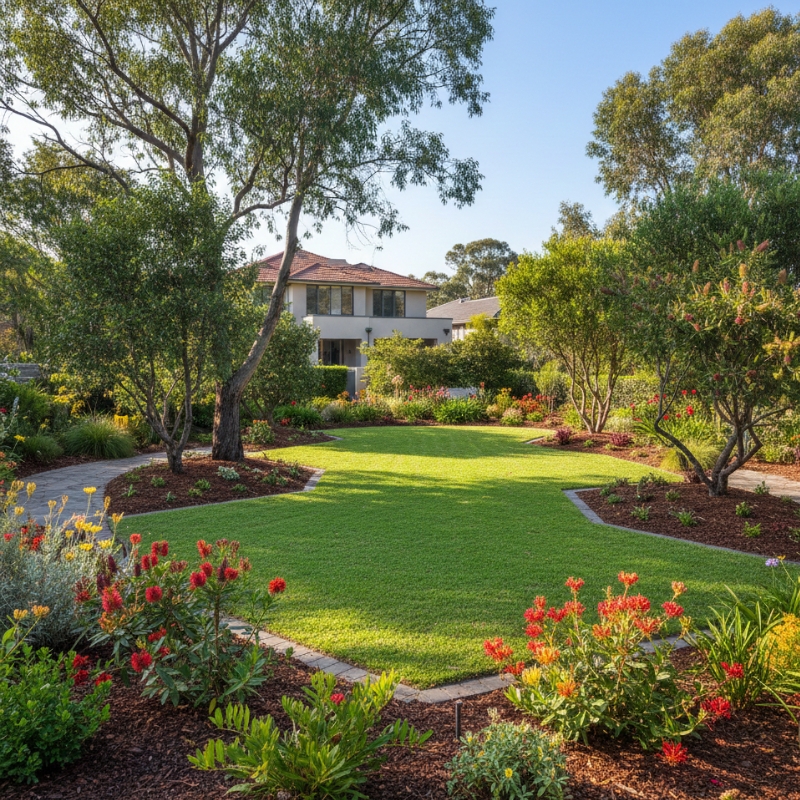
Sydney’s climate gives homeowners the opportunity to enjoy vibrant lawns, flowering shrubs and lush greenery for most of the year. With warm summers, mild winters and coastal humidity, gardening in NSW can produce thriving outdoor spaces — but only with the right maintenance approach.
The challenge is that many common garden problems aren’t caused by neglect. They’re caused by well-meaning mistakes. Watering too often. Pruning at the wrong time. Applying too much fertiliser before heavy rain. Over time, these small errors compound and lead to declining lawns, struggling plants and expensive restoration work.
If you live in Sydney, understanding how local conditions influence maintenance decisions is essential. Below are ten of the most common garden maintenance mistakes homeowners make — and how to avoid them.
1. Overwatering During Humid Periods
One of the most frequent mistakes in Sydney gardens is overwatering, particularly in summer.
Because temperatures can climb quickly, many homeowners assume plants need constant moisture. However, Sydney’s humidity — especially in coastal suburbs — slows evaporation. Add periods of heavy rainfall, and soil often stays wetter for longer than expected.
Why Overwatering Causes Damage
• Roots suffocate in waterlogged soil
• Fungal diseases spread rapidly in humid air
• Nutrients wash away during storms
• Lawns develop shallow root systems
In clay-heavy areas of Western Sydney, poor drainage makes the problem worse.
How to Prevent It
• Check soil moisture below the surface before watering
• Adjust irrigation timers seasonally
• Water deeply but less frequently
• Improve drainage with soil conditioning
Efficient outdoor water use and sustainable garden practices help homeowners reduce runoff and avoid unnecessary watering.
Quick Question
How do I know if I’m watering too much?
Persistent damp soil, yellowing leaves and a musty smell are strong indicators.
2. Pruning at the Wrong Time
Sydney’s mild winters can create confusion about when to prune. Some plants continue slow growth year-round, while others set buds months before flowering.
Common Pruning Errors
• Cutting spring bloomers before they flower
• Removing more than one-third of growth at once
• Pruning native plants too aggressively
• Using dull or contaminated tools
Why Timing Matters
For example:
• Camellias should be pruned after flowering
• Roses benefit from winter pruning
• Grevilleas prefer light, regular trims
Pruning at the wrong time can reduce flowering for an entire season and stress the plant’s energy reserves.
If uncertainty persists, structured oversight through professional garden maintenance can prevent long-term setbacks caused by incorrect cutting practices.
3. Applying Too Much Mulch
Mulch is essential in Sydney’s hot summers. It regulates soil temperature, reduces evaporation and suppresses weeds.
But excessive mulch causes its own problems.
The “Mulch Volcano” Effect
Piling mulch against tree trunks traps moisture and invites rot, pests and fungal growth.
Best Practice
• Keep mulch 5–10 cm deep
• Leave space around stems and trunks
• Replace old mulch annually rather than layering repeatedly
Correct mulching supports healthy root systems. Incorrect mulching suffocates them.
4. Ignoring Soil Health
Healthy gardens begin below ground. Yet soil is often overlooked until plants start struggling.
Sydney soils vary significantly:
• Heavy clay in the west
• Sandy coastal soils
• Compacted soil in high-traffic yards
Signs of Soil Trouble
• Water pooling
• Patchy lawn growth
• Slow plant development
• Difficulty digging
Prevention Strategies
• Aerate lawns annually
• Incorporate compost
• Test pH levels if plants fail to thrive
• Avoid overuse of synthetic fertilisers
Soil improvement is one of the most overlooked components of reliable garden maintenance, yet it has the greatest long-term impact.
5. Fertilising Before Heavy Rain
Summer storms are common in Sydney. Applying fertiliser before a major downpour may seem logical, but it often results in nutrient runoff.
Risks of Poor Timing
• Wasted product
• Uneven lawn growth
• Fertiliser burn
• Environmental pollution
Smarter Application
• Monitor weather forecasts
• Use slow-release fertilisers suited to Australian lawns
• Apply during mild, dry conditions
Quick Question
Can over-fertilising damage lawns?
Yes. Excess nitrogen can scorch grass, especially during hot weather.
6. Choosing Plants Unsuitable for Sydney’s Climate
Plant selection plays a major role in maintenance demands.
Common Planting Mistakes
• Installing cool-climate plants in full sun
• Ignoring salt exposure in coastal areas
• Mixing drought-tolerant natives with high-water species
Climate-Smart Selection
• Choose hardy NSW natives
• Group plants with similar watering needs
• Consider seasonal sun exposure
When plant choices align with local conditions, maintenance becomes simpler and more sustainable.
7. Failing to Adjust Maintenance by Season
Sydney gardens require different care in summer, autumn, winter and spring.
Seasonal Oversights
• Leaving irrigation settings unchanged
• Mowing too short in summer
• Skipping winter aeration
• Ignoring pest cycles in humid months
Seasonal Guide Snapshot
Summer:
• Monitor fungal growth
• Maintain correct mowing height
• Watch for heat stress
Autumn:
• Aerate and top-dress lawns
• Prepare soil for cooler growth
Winter:
• Reduce watering
• Prune selectively
Spring:
• Fertilise strategically
• Refresh mulch
Without seasonal adjustments, minor imbalances gradually become major issues.
8. Cutting Lawns Too Short
Scalping lawns is one of the fastest ways to weaken grass in Sydney’s climate.
Why It’s Harmful
• Exposes roots to heat stress
• Increases evaporation
• Encourages weeds
Buffalo, Couch and Kikuyu lawns each have ideal cutting heights. Following the “one-third rule” — never removing more than one-third of the blade length — protects root strength.
Repeated lawn decline often signals the need for tailored garden maintenance support to restore balance.
9. Neglecting Drainage Problems
Drainage is often ignored until plants begin dying.
Sydney’s mix of clay soils and heavy rain can create pooling and compacted zones.
Warning Signs
• Persistent puddles
• Moss growth
• Root rot
• Cracking soil after dry spells
Improving drainage may involve aeration, soil conditioning or adjusting garden grading.
Quick Question
Can drainage issues ruin a garden?
Yes. Chronic waterlogging suffocates roots and encourages disease.
10. Waiting Too Long to Address Small Issues
Perhaps the most expensive mistake is ignoring early warning signs.
Early Red Flags
• Yellowing leaves
• Increased pest activity
• Uneven lawn colour
• Sudden plant decline
Left untreated, these problems escalate into:
• Plant replacement costs
• Lawn reinstallation
• Structural soil repair
Early intervention is critical. For homeowners noticing recurring issues, proactive and professional garden maintenance helps prevent long-term damage and protects overall property value.
Why Sydney’s Climate Amplifies Maintenance Errors
Sydney combines:
• Coastal humidity
• Intense UV exposure
• Heavy rainfall events
• Mild winters
This means small mistakes escalate quickly. Overwatering plus humidity equals fungal outbreaks. Poor drainage plus clay soil equals root suffocation. Fertilising before storms equals nutrient loss.
Understanding these environmental interactions transforms reactive care into preventative care.
Practical Garden Maintenance Checklist for Sydney Homes
• Inspect irrigation systems each season
• Test soil moisture before watering
• Prune according to plant species
• Maintain proper mulch depth
• Aerate lawns annually
• Monitor the weather before fertilising
• Group plants by similar water needs
• Adjust mowing height in summer
• Check drainage after heavy rain
Following these steps reduces avoidable damage and supports long-term garden health.
Frequently Asked Questions
What is the most common garden maintenance mistake in Sydney?
Overwatering during humid conditions is the most frequent issue, leading to root rot and fungal disease.
How often should garden maintenance be done in Sydney?
During peak growing seasons, gardens benefit from attention every 2–4 weeks, with lawns sometimes requiring weekly mowing in summer.
Are native plants maintenance-free?
No. While generally hardy, native plants still require pruning, soil care and seasonal monitoring.
When should I seek help with maintenance?
If problems recur despite consistent care, structured oversight through reliable garden maintenance can prevent costly restoration later.
Does lawn care differ between Sydney suburbs?
Yes. Coastal soils, clay-heavy western soils and shaded inner-city gardens all require slightly different approaches.
Final Thoughts
Maintaining a healthy garden in Sydney isn’t about working harder — it’s about working smarter. Climate, soil type, seasonal timing and plant selection all influence outcomes.
Most garden maintenance mistakes stem from generic advice that doesn’t account for local NSW conditions. By understanding how Sydney’s environment affects watering, pruning, fertilising and lawn care, homeowners can prevent the majority of costly problems.
When preventative steps aren’t enough, consistent and tailored garden maintenance support ensures your outdoor space remains resilient, attractive and functional year-round.