
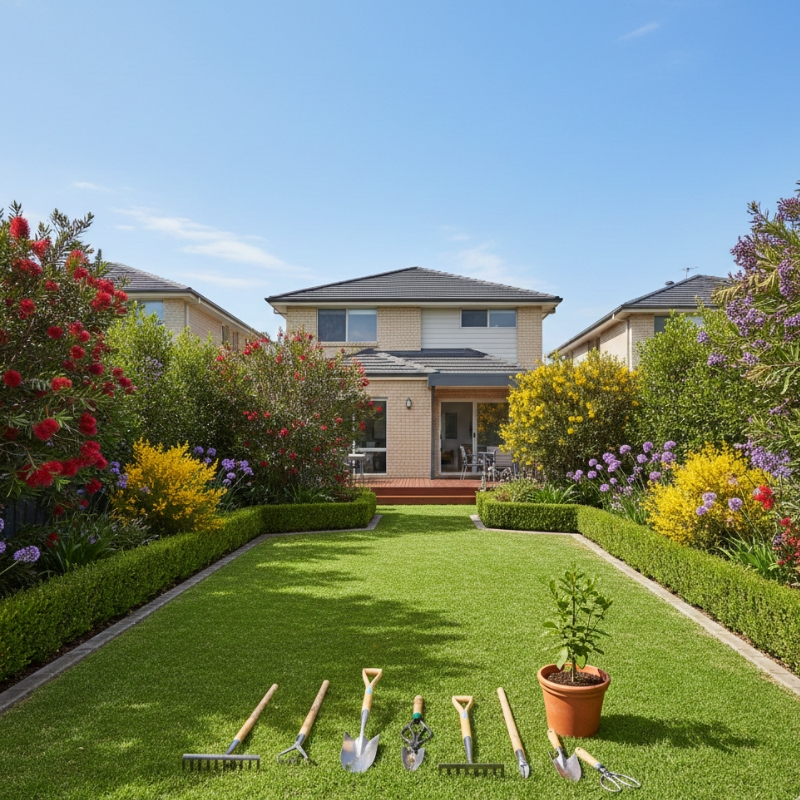
Keeping a garden healthy in Sydney isn’t just about mowing the lawn every couple of weeks. Effective gardening requires understanding how humid summers, unpredictable rainfall, sandy coastal soils and heavy clay in the west all influence plant health. Maintaining a thriving outdoor space takes consistency, local knowledge and the right approach.
Many homeowners face the same question: should you handle garden maintenance yourself, or is it better to bring in a professional?
The answer depends on your time, skill level, property size and long-term goals. Below, we break down the real differences between DIY and professional garden maintenance in Sydney — including costs, risks, seasonal considerations and when it makes sense to call in experienced help.
Understanding What Garden Maintenance Actually Involves
Before comparing DIY and professional care, it’s important to understand what “garden maintenance” typically includes.
In Sydney residential properties, maintenance often covers:
• Lawn mowing and edging
• Pruning shrubs and hedges
• Weeding garden beds
• Fertilising lawns and plants
• Pest and disease monitoring
• Irrigation checks
• Seasonal planting and mulching
• Green waste removal
While some of these tasks seem simple on the surface, timing and technique make a significant difference to plant health.
For example, pruning at the wrong time of year can reduce flowering or stress native species. Over-fertilising can burn lawns. Poor mowing height weakens turf and invites weeds.
Why Sydney’s Climate Changes the Equation
Sydney’s climate creates unique challenges:
• Hot, humid summers increase fungal disease risk
• Heavy rain can compact soil and cause drainage issues
• Coastal areas face salt exposure
• Western suburbs experience higher summer temperatures
• Native plants require different care compared to exotic species
Correct plant care and biosecurity awareness play a critical role in preventing the spread of pests and diseases across NSW landscapes. Small mistakes — such as improper pruning, overwatering, or failing to identify early signs of infestation — can quickly impact not only your own garden but surrounding properties as well. Understanding these local environmental risks is essential when deciding whether DIY maintenance is sufficient or if professional guidance may be the safer long-term option.
The Case for DIY Garden Maintenance
For many Sydney homeowners, DIY maintenance is appealing. It can be cost-effective, satisfying and flexible.
Advantages of DIY
• Lower immediate out-of-pocket costs
• Full control over timing and plant choices
• Personal enjoyment and stress relief
• Opportunity to learn gardening skills
If you have a small yard, basic lawn area and manageable garden beds, DIY upkeep may be practical.
Routine tasks such as mowing, light pruning and basic weeding are well within reach for most homeowners.
What Tools Do You Really Need?
A realistic DIY setup often requires:
• Quality lawn mower
• Line trimmer
• Hedge trimmer
• Secateurs and loppers
• Wheelbarrow
• Fertiliser spreader
• Protective gear
Over time, tool costs add up. Replacing equipment, servicing mowers and storing tools safely are ongoing considerations.
Hidden Challenges of DIY
While DIY appears straightforward, challenges often emerge:
• Inconsistent maintenance due to busy schedules
• Incorrect pruning techniques
• Over- or under-watering
• Pest issues are going unnoticed
• Lawn patchiness from improper mowing height
In Sydney’s peak summer months, skipping just a few weeks can lead to rapid overgrowth, weed spread and lawn stress.
DIY works best when you have both time and a genuine interest in ongoing upkeep — not just occasional tidy-ups.
The Case for Professional Garden Maintenance
Professional services bring expertise, efficiency and consistency.
Rather than reactive maintenance, professionals focus on preventative care — identifying issues early and applying seasonal knowledge to protect your landscape investment.
Many Sydney homeowners turn to professional garden maintenance in Sydney when:
• The property is large or complex
• There are mature trees requiring specialised pruning
• Garden beds are extensive
• Time constraints make DIY unrealistic
• Lawn health continues to decline despite effort
What Professionals Typically Provide
A structured service may include:
• Scheduled lawn care
• Horticulturally correct pruning
• Soil conditioning
• Seasonal fertilisation programs
• Pest and disease monitoring
• Irrigation system checks
• Waste removal
Unlike occasional DIY sessions, professional maintenance is usually consistent and planned.
That consistency often leads to stronger lawns, healthier plants and fewer major problems over time.
Cost Considerations in Sydney
Cost is often the deciding factor.
DIY Costs
DIY costs include:
• Equipment purchase and maintenance
• Fuel or battery replacements
• Fertilisers and treatments
• Green waste disposal
• Your time
While DIY may appear cheaper upfront, time is a real cost — especially for busy households.
Professional Costs
Professional services in Sydney vary depending on:
• Property size
• Frequency of visits
• Garden complexity
• Lawn condition
• Access and waste removal needs
Regular visits tend to be more economical than one-off clean-ups, as the garden remains manageable.
Instead of unpredictable expenses, many homeowners prefer tailored garden maintenance plans that provide structure and clarity around ongoing care.
Risk and Safety Factors
Garden maintenance isn’t risk-free.
Common DIY injuries involve:
• Ladder falls during tree trimming
• Cuts from hedge trimmers
• Back strain from lifting
• Eye injuries from debris
Tree work in particular carries serious risk and should not be attempted without training and appropriate equipment.
Additionally, incorrect chemical use can harm plants, pets and local ecosystems.
Professionals are trained to manage these risks and use appropriate protective gear.
When DIY Makes Sense
DIY may be suitable when:
• Your property is small and simple
• You enjoy gardening as a hobby
• You have time for weekly upkeep
• There are no large trees requiring height work
• You’re confident in plant identification
Some homeowners also combine DIY with periodic professional support — handling mowing themselves but arranging seasonal pruning assistance.
When Professional Maintenance Is the Smarter Option
Professional care is often beneficial when:
• Lawn health continues to decline
• Weeds repeatedly return
• You’re unsure when or how to prune
• The garden looks untidy despite effort
• You’re preparing a property for sale
• You’ve recently completed landscaping
Consistent, reliable garden maintenance services can stabilise a struggling garden before problems escalate.
Sydney-Specific Seasonal Demands
Seasonal timing matters significantly in NSW.
Summer
• Lawns require careful watering
• Fungal diseases increase
• Mowing frequency rises
Autumn
• Ideal for fertilising
• Pruning preparation begins
• Weed prevention is important
Winter
• Reduced mowing frequency
• Structural pruning
• Soil improvement
Spring
• Rapid growth period
• Pest monitoring essential
• Lawn renovation timing
Missing these seasonal windows can undo months of progress.
Professionals typically follow structured annual schedules, adjusting tasks to suit Sydney’s conditions.
Quality of Results Over Time
One of the biggest differences between DIY and professional maintenance is long-term consistency.
DIY maintenance often becomes reactive — mowing when it looks long, pruning when it looks messy.
Professional services tend to be proactive — addressing root causes before visible decline appears.
Over the years, that difference can significantly impact:
• Lawn density
• Soil health
• Plant lifespan
• Property presentation
Decision Checklist for Sydney Homeowners
If you’re unsure which path to take, ask yourself:
•How many hours per week can I realistically commit?
•Do I know when each plant should be pruned?
•Am I confident in diagnosing lawn disease?
•Is my equipment sufficient and well-maintained?
•Do I enjoy outdoor upkeep or find it stressful?
If multiple answers create uncertainty, seeking structured guidance may prevent costly mistakes.
Blended Approach: A Practical Compromise
For some households, the best solution is a hybrid model.
This might involve:
• DIY mowing between scheduled visits
• Professional seasonal pruning
• Annual lawn rejuvenation support
• Pest and soil treatment assistance
Blending DIY enthusiasm with expert oversight often protects your investment without removing hands-on involvement.
Over time, some homeowners transition fully to reliable garden maintenance services as lifestyle demands increase.
Long-Term Property Value Considerations
Well-maintained gardens enhance kerb appeal and property value.
In Sydney’s competitive property market, outdoor presentation matters.
Overgrown hedges, patchy lawns and unhealthy plants can reduce perceived value, even if the home interior is well presented.
Consistent upkeep through tailored garden maintenance plans can help ensure landscaping remains an asset rather than a liability.
Frequently Asked Questions
Is DIY garden maintenance cheaper in Sydney?
It can be cheaper upfront, but long-term costs depend on equipment purchases, time commitment and whether mistakes lead to plant replacement.
How often should garden maintenance be done?
In Sydney, lawns typically require attention every 2–3 weeks during warmer months, with reduced frequency in winter.
What tasks are risky to DIY?
Tree pruning at height, chemical treatments and diagnosing plant diseases can carry a higher risk without proper knowledge.
Can professionals help fix neglected gardens?
Yes, but restoration often requires more intensive work compared to maintaining an already healthy landscape.
Is a regular schedule better than one-off visits?
Ongoing structured care generally delivers better long-term results than sporadic clean-ups.
Final Thoughts
There’s no universal answer to the DIY-versus-professional question.
If you have the time, knowledge and physical ability, DIY can be rewarding and cost-effective for simple gardens.
However, Sydney’s climate, seasonal variation and plant diversity add complexity that many homeowners underestimate.
Professional support doesn’t remove control — it provides structure, consistency and expertise that protect your landscape over time.
Whether you prefer full-service care or occasional assistance, understanding the real differences allows you to make an informed decision that suits your property and lifestyle.