
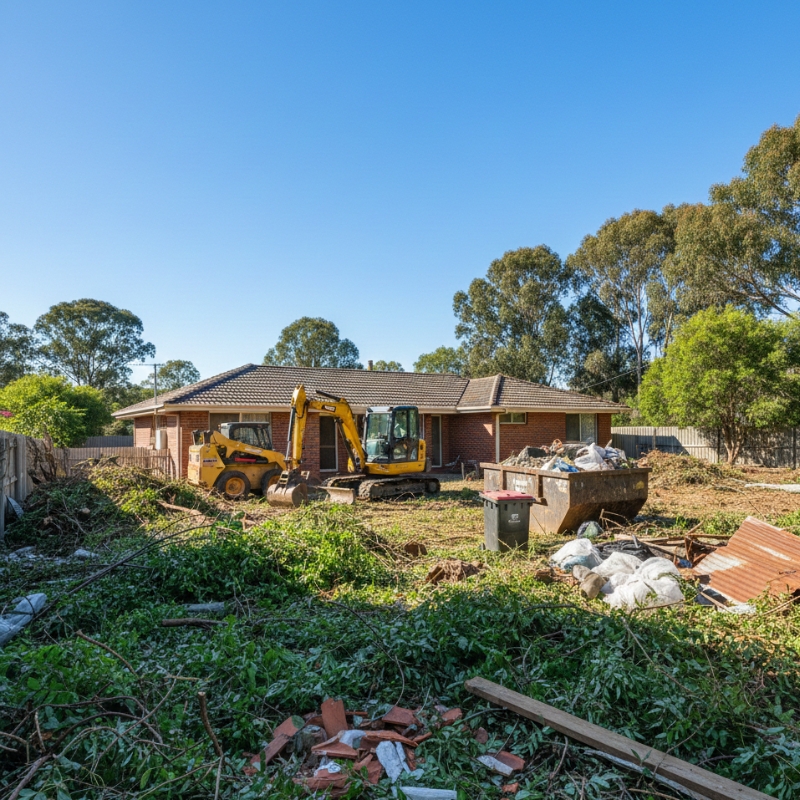
Clearing overgrown land can completely transform a property. Whether you’ve purchased a neglected block, are preparing for construction, or simply want to reduce bushfire risk, the process often looks straightforward from the outside.
In reality, clearing land in Sydney involves environmental regulations, council rules, waste disposal laws and safety considerations that many property owners underestimate.
Mistakes during land clearing don’t just lead to messy results — they can result in fines, soil damage, drainage issues, or long-term environmental problems.
Below are the most common mistakes Sydney property owners make when clearing overgrown land — and how to avoid them.
1. Assuming You Don’t Need Council Approval
One of the biggest errors is believing you can clear anything on your property without approval.
In NSW, vegetation clearing is governed by state legislation and local council controls. Depending on your land zoning, bushfire classification, and the type of vegetation present, approval may be required.
Protected vegetation can include:
• Native trees
• Certain species of shrubs
• Vegetation in environmentally sensitive areas
• Riparian zones near waterways
• Habitat for native wildlife
The NSW Government provides guidance on native vegetation clearing rules through the NSW Local Land Services framework.
If you remove protected vegetation without approval, penalties can be significant.
Quick clarification
Do you always need approval to clear overgrown land in Sydney?
Not always. Minor garden maintenance and removal of certain exempt vegetation may not require approval. However, large-scale clearing, removal of native trees, or clearing in rural and environmentally zoned areas often does.
When in doubt, check with your local council before starting.
2. Clearing Without Understanding Bushfire Regulations
Sydney’s climate and bushland environment mean bushfire risk is a serious consideration.
Many property owners attempt to clear land to reduce fuel loads — which is sensible — but they sometimes over-clear or clear incorrectly.
Bushfire regulations in NSW allow certain vegetation management within Asset Protection Zones (APZs), but these must comply with the Rural Fire Service guidelines.
Over-clearing can:
• Destabilise soil
• Increase erosion
• Remove shade and habitat
• Lead to compliance issues
Under-clearing can:
• Leave excessive fuel loads
• Increase ember attack risk
• Create insurance complications
Understanding where and how much to clear is essential.
3. Failing to Plan for Rubbish and Green Waste Removal
Overgrown land often contains more than vegetation.
It’s common to uncover:
• Old fencing
• Concrete rubble
• Rusted metal
• General dumped rubbish
• Fallen branches and tree debris
• Contaminated soil
Many DIY attempts focus on cutting and pushing vegetation aside — without planning how to remove and dispose of waste properly.
Improper disposal can lead to:
• Illegal dumping fines
• Blocked drainage systems
• Environmental contamination
• Neighbour disputes
Green waste, soil, and construction debris must be disposed of at authorised facilities in accordance with NSW waste regulations.
Large-scale site clean-ups typically require coordinated removal strategies and access to appropriate disposal channels — which is why many property owners engage professional land clearing services in Sydney when waste volumes become unmanageable.
4. Ignoring Soil Health and Erosion Risks
Removing vegetation changes how water interacts with your land.
Tree roots stabilise soil. Ground cover slows runoff. Once removed, the land can become vulnerable to:
• Soil erosion
• Sediment washing into stormwater systems
• Water pooling
• Foundation instability
• Loss of topsoil
This is particularly important in sloped Sydney suburbs and semi-rural areas around Western Sydney and the Hills District.
Clearing without a drainage and sediment plan can cause long-term structural issues.
What should you consider before clearing?
Ask yourself:
• Is the land sloped?
•Where will stormwater flow after vegetation removal?
•Do you need erosion control measures?
•Will neighbouring properties be affected?
These questions are often overlooked in DIY clearing projects.
5. Using the Wrong Equipment
Heavy machinery can be effective — but it can also cause serious damage if misused.
Common equipment mistakes include:
• Using machinery too large for the block
• Compacting soil excessively
• Damaging underground services
• Disturbing neighbouring boundaries
• Failing to identify buried infrastructure
Before clearing, you should identify:
• Underground water lines
• Electrical services
• Sewer connections
• Boundary markers
Unplanned excavation can result in expensive repairs and liability issues.
Property owners often underestimate how technical land clearing becomes once machinery is involved. This is where safe and compliant land clearing solutions become critical, especially for larger or more complex blocks.
6. Not Identifying Hazardous Materials
Overgrown blocks sometimes hide hazards.
Examples include:
• Asbestos fragments
• Chemical containers
• Sharp metal debris
• Unstable trees
• Termite-damaged timber structures
Disturbing asbestos-containing material without proper controls is illegal and dangerous in NSW.
If you suspect hazardous waste, work must stop, and qualified professionals should assess the site.
7. Clearing Too Much, Too Fast
Another common mistake is stripping the land bare in one go.
While it may look clean initially, over-clearing can:
• Remove natural wind protection
• Expose soil to heat stress
• Reduce property value in leafy suburbs
• Create long-term landscaping challenges
Strategic clearing — rather than total removal — often produces better outcomes.
Is selective clearing better than full clearing?
In many Sydney residential areas, yes.
Selective clearing allows:
• Retention of healthy native trees
• Preservation of privacy
• Better landscape design flexibility
• Reduced environmental impact
Each block requires an individual assessment.
8. Overlooking Neighbour and Boundary Issues
Boundary disputes are more common than many expect.
Without a clear survey:
• You may remove vegetation on neighbouring land
• Damage shared fencing
• Create disputes over tree ownership
Sydney’s smaller residential blocks increase this risk.
Before clearing, confirm:
• Property boundaries
• Tree ownership
• Shared access rights
This step alone can prevent significant conflict.
9. Underestimating Project Scale and Cost
Overgrown land often looks manageable — until work begins.
Hidden factors include:
• Root systems
• Buried rubble
• Contaminated soil
• Thick undergrowth
• Access limitations
What starts as a weekend project can quickly escalate into weeks of labour and unexpected expense.
This is particularly true when clearing land in preparation for:
• New builds
• Extensions
• Landscaping projects
• Subdivision
In these cases, property land clearing specialists can provide structured planning that avoids costly rework later.
10. Forgetting About Long-Term Land Management
Clearing is not a one-off event.
Without follow-up management:
• Weeds return
• Invasive species spread
• Erosion worsens
• Regrowth becomes denser
Sydney’s climate supports rapid regrowth, particularly in spring and summer.
A post-clearing management plan may include:
• Weed control
• Mulching
• Drainage improvements
• Controlled replanting
• Ongoing vegetation management
Planning beyond the initial clearing stage prevents repeat costs.
When Should You Seek Professional Help?
Not every clearing project requires outside assistance. However, certain situations strongly indicate the need for experienced support.
Consider professional involvement if:
• The block is large or heavily overgrown
• Native vegetation may be protected
• Machinery is required
• There is significant rubbish or debris
• You’re preparing for construction
• The land is sloped or erosion-prone
• You’re unsure about compliance obligations
Clearing land properly in Sydney is about more than cutting vegetation — it involves environmental responsibility, legal awareness, and safe waste management.
Frequently Asked Questions
Can I clear trees on my property in Sydney?
It depends on the species, location, and council rules. Some trees are protected under local environmental plans. Always check with your local council before removal.
What are the fines for illegal land clearing in NSW?
Penalties can range from substantial financial fines to enforcement orders requiring rehabilitation of the site. The severity depends on the scale and environmental impact.
How do I dispose of green waste legally?
Green waste must be taken to authorised waste facilities or processed appropriately. Dumping vegetation in bushland or public areas is illegal.
Is DIY land clearing cheaper?
Initially, it may seem cheaper. However, compliance breaches, equipment damage, waste disposal fees, and remediation costs can exceed professional engagement costs.
What’s the biggest risk when clearing overgrown land?
The most significant risks are regulatory non-compliance, environmental damage, and hidden site hazards.
Final Thoughts
Clearing overgrown land in Sydney can unlock a property’s full potential — but it requires careful planning, legal awareness, and responsible waste management.
The most common mistakes happen when property owners:
• Assume approval isn’t required
• Ignore environmental regulations
• Fail to plan for waste removal
• Underestimate safety risks
• Over-clear without strategy
By approaching land clearing with proper preparation, you reduce the risk of fines, environmental harm, and costly rework.
When projects become complex, regulated, or large-scale, professional guidance ensures the process remains compliant, efficient and environmentally responsible.