
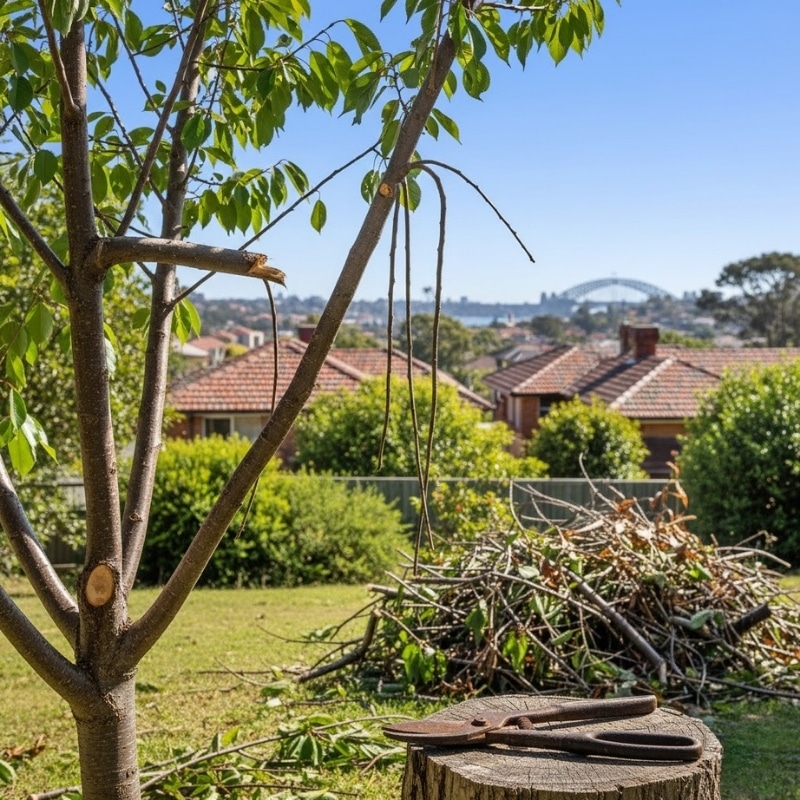
Cherry trees can be a beautiful and productive feature in Sydney gardens, but they are also one of the most easily damaged fruit trees when pruned incorrectly. As stone fruit trees, cherries are highly sensitive to timing, moisture, and cutting technique — and many common pruning habits can quietly cause long-term decline.
Sydney homeowners often rely on generic fruit tree advice that simply does not suit cherry trees or local NSW conditions. The result is increased disease risk, reduced fruiting, weak branch structure, and, in some cases, irreversible tree damage.
This guide breaks down the most common cherry tree pruning mistakes Sydney homeowners should avoid, explains why they happen, and shows when professional pruning is the safest option.
Why Cherry Trees Are Easily Damaged by Incorrect Pruning
Cherry trees are not forgiving when it comes to pruning errors.
Stone Fruit Sensitivity
As sa tone fruit, cherry trees are prone to:
• Fungal infections
• Bacterial canker
• Sap bleeding (gumming)
• Dieback after incorrect cuts
Unlike apples or pears, cherries struggle to compartmentalise wounds — especially in humid conditions like Sydney’s.
Sydney Climate Adds Extra Risk
Sydney’s climate creates additional challenges:
• Higher humidity
• Unpredictable rainfall
• Milder winters
This means pruning mistakes that might be tolerated in cooler, drier regions often cause serious issues here.
Mistake 1 — Pruning Cherry Trees at the Wrong Time
Winter Pruning Is One of the Biggest Errors
One of the most common mistakes is winter pruning cherry trees, often based on general fruit tree advice.
In Sydney, winter pruning can:
• Leave fresh cuts exposed to moisture
• Increase fungal and bacterial infections
• Cause branch dieback in spring
Cherry trees respond poorly to cold, wet pruning conditions.
Safer Pruning Windows Are Often Missed
For most cherry trees in Sydney:
• Late summer to early autumn is far safer
• Dry, warm conditions allow wounds to heal faster
Timing mistakes alone account for many declining cherry trees across NSW suburbs.
Mistake 2 — Treating Cherry Trees Like Other Fruit Trees
Copying Apple or Pear Pruning Methods
Many homeowners prune cherries the same way they prune:
• Apple trees
• Pear trees
• Citrus trees
This approach often leads to:
• Excessive branch removal
• Poor canopy balance
• Stress responses in the tree
Cherry trees require lighter, more selective pruning.
Ignoring Cherry-Specific Growth Habits
Cherry trees:
• Fruit on specific wood
• React strongly to heavy cuts
• Do not tolerate structural reshaping well
Ignoring these traits reduces fruit production year after year.
Mistake 3 — Over-Pruning the Canopy
Removing Too Much Growth at Once
Over-pruning is extremely common in Sydney gardens.
Removing too much canopy:
• Exposes branches to sunburn
• Triggers stress-related growth
• Reduces fruiting wood
Cherry trees rarely recover well from aggressive pruning.
Chasing Shape Instead of Health
A neat-looking tree is not always a healthy one. Professional pruning prioritises:
• Structural balance
• Airflow
• Long-term vitality
rather than visual symmetry alone.
Mistake 4 — Making Poor or Unsafe Pruning Cuts
Incorrect Cut Placement
Bad cuts can:
• Tear bark
• Leave stubs that die back
• Invite disease entry
Cherry trees are especially vulnerable to infection through poorly placed cuts.
Using Blunt or Dirty Tools
Unclean tools spread:
• Fungal spores
• Bacterial diseases
• Existing infections between trees
This is a major issue in DIY pruning.
Mistake 5 — Ignoring Disease Warning Signs
Pruning Diseased Trees Without Diagnosis
Cherry trees showing:
• Gumming
• Leaf curl
• Dieback
• Discoloured bark
require careful assessment before pruning.
Pruning without understanding the cause often:
• Spreads disease
• Accelerates decline
• Makes recovery impossible
Cutting During Wet Weather
Pruning during rain or high humidity dramatically increases infection risk — a common Sydney-specific mistake.
DIY vs Professional Cherry Tree Pruning in Sydney
When DIY Pruning Might Be Acceptable
DIY pruning may be acceptable if:
• The tree is young and small
• Only deadwood is being removed
• Conditions are warm and dry
Even then, cuts should be minimal.
When Professional Pruning Is Strongly Recommended
Professional help is advised when:
• Trees are mature or tall
• Structural pruning is needed
• Disease symptoms are present
• Fruit production has declined
Engaging specialists who offer professional cherry tree pruning in Sydney greatly reduces the risk of long-term damage.
Sydney-Specific Factors Homeowners Often Overlook
Humidity and Fungal Pressure
Sydney’s humidity increases:
• Infection rates
• Slow wound healing
• Disease spread after pruning
This makes timing and technique critical.
Council and Tree Management Considerations
Some cherry trees may fall under local council vegetation rules. NSW government guidance on tree and vegetation management outlines general responsibilities for property owners and safe tree maintenance practices.
How Professionals Avoid These Cherry Tree Pruning Mistakes
Professional pruning focuses on:
• Correct seasonal timing
• Minimal, strategic cuts
• Disease prevention
• Tree longevity
Homeowners seeking comprehensive cherry tree pruning options often discover that professional pruning costs far less than fixing long-term damage caused by mistakes.
Frequently Asked Questions About Cherry Tree Pruning
Can cherry trees be pruned every year?
Yes, but pruning should be light, selective, and correctly timed.
Is winter pruning ever safe for cherry trees?
In Sydney, winter pruning is generally not recommended due to disease risk.
Why did my cherry tree stop producing fruit?
Common causes include incorrect pruning timing, over-pruning, or disease stress.
Are cherry trees harder to prune than other fruit trees?
Yes. Cherry trees are among the most sensitive fruit trees to pruning errors.
Choosing the Right Cherry Tree Pruning Service in Sydney
When selecting a service, look for:
• Experience with stone fruit
• Sydney climate knowledge
• Disease-aware pruning methods
• Safe and compliant work practices
Correct pruning protects not only your cherry tree, but your entire garden investment. If you want to learn more about tree pruning requirements, local expertise makes a significant difference.