Weed removal cost depends on many variables, not a flat rate you can quote with ease. The price shifts based on scale, method, accessibility, soil type, and how persistent the weeds are. For homeowners weighing options, knowing those factors helps you budget and avoid surprise costs. According to All Green Gardening & Landscaping, understanding weed removal cost begins with knowing how different landscapes and conditions demand different approaches. This article explores the key drivers behind weed removal cost, so you can see where savings lie and what trade‑offs you might face.
Why does weed removal cost vary so much?
Weed removal cost fluctuates widely because every property, weed type, and terrain is different. Here are the main reasons: Here are the primary cost‑influencers:
- The size of the area needing weed removal: larger gardens or lots cost more due to labour and time.
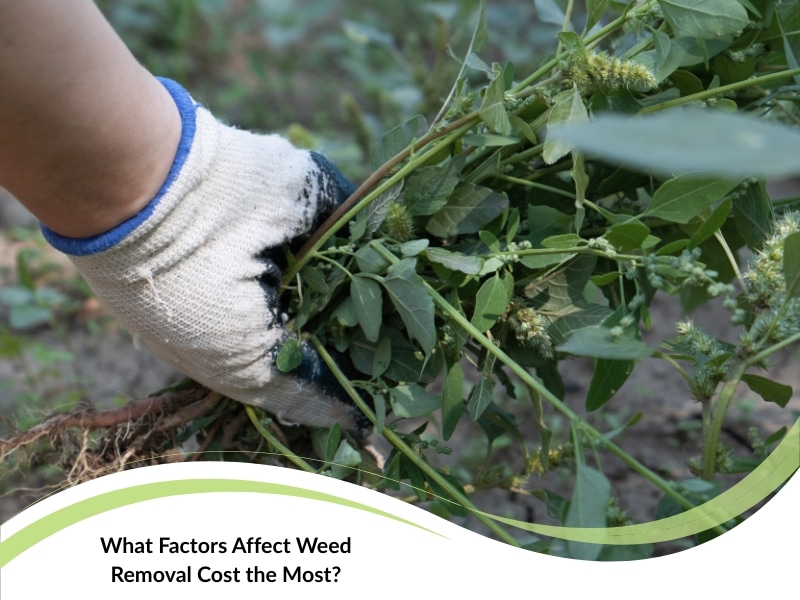
- The density and maturity of weeds: thick, established weeds with deep root systems take longer and may need removal or chemical treatment.
- Access and terrain difficulty: steep slopes, narrow beds, obstacles, or confined spaces slow work and increase risk.
- Method or technology used: manual hand pulling, chemical spraying, steam or thermal treatment, or using machinery, each carries different costs and efficiencies.
Weed removal cost in Australia can vary from a modest hourly rate to a premium one, depending on the complexity of the work. Some contractors may quote based on square metres or include added services like waste removal, which influences final pricing. Because of these variables, two properties side by side could see completely different quotes. For more predictable outcomes, it often pays to find trusted weed removal solutions to keep gardens healthy, especially when dealing with difficult terrain or recurring infestations.
What challenges make weed removal more expensive?
Weed removal cost rises when special complications come into play. These challenges push labour, equipment, or risk costs higher. Here are the common cost‑adding challenges:
- Weeds with deep or extensive root structures (such as bindweed or couch) require more effort or repeated removal.
- Weed resistance to herbicides or repeated chemical failure necessitates alternative or combined methods.
- Contaminated soil or hidden obstacles (rocks, tree roots, pipes) that complicate removal and require extra care.
- Site conditions like slopes, wet areas, compacted soil, or poor drainage can slow access or require additional safety or support.
Each of these makes the job more laborious, riskier, or more equipment‑intensive, which drives up the weed removal cost beyond a simple service. In some cases, failed chemical control due to resistance can significantly increase costs. Local government trials in WA found that steam or hot water treatments were noticeably pricier than straightforward herbicide or manual removal. These complications make it essential to gauge the condition of your landscape in advance so quotes reflect true effort.
Could ignoring weeds now raise your weed removal cost later?
Ignoring weeds increases weed removal costs down the track because future removal becomes more intensive, costly, and labourious. Failing to act now often means more work later. Here are ways delaying weeding inflates costs:

- Weeds seed themselves and spread, increasing the infested area and requiring repeated or larger-scale interventions.
- Stronger weeds outcompete desirable plants, requiring more drastic removal and soil rehabilitation.
- Persistent weeds may shift into more resistant strains, forcing the use of more expensive methods.
- Soil and landscape damage from root systems becomes entrenched, and correcting that adds cost.
Early intervention makes all the difference, especially when you’re spotting weed growth before it gets out of hand, as treating young weeds is cheaper and faster than addressing a mature infestation.
Which methods reduce weed removal costs over time?
Choosing the right methods can reduce the long‑term weed removal cost. Focusing on efficient, sustainable strategies pays off. Here are the cost‑saving methods that work over time:
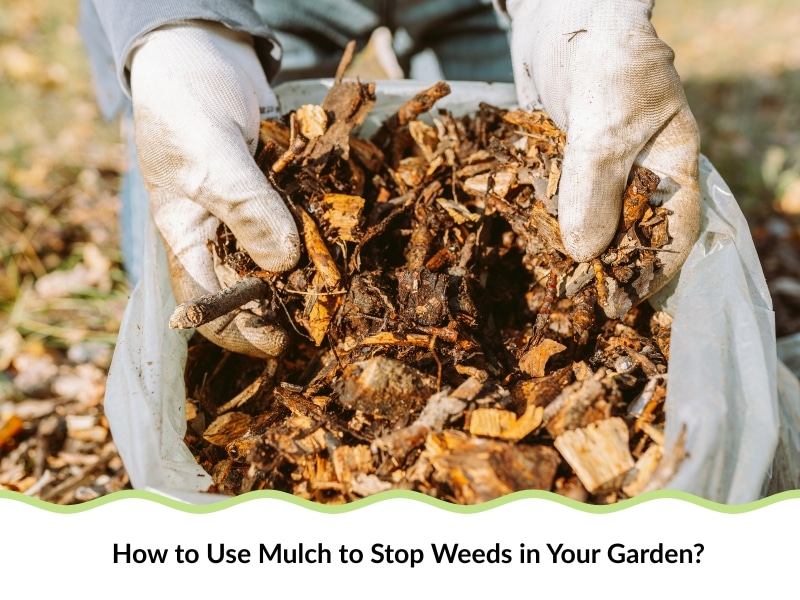
- Mulching to suppress weed germination: A thick organic or inorganic mulch layer blocks light and forces fewer weeds to emerge.
- Manual removal targeted at weeds early: Pulling young weeds while the area is small keeps labour manageable.
- Thermal or steam treatment: Using hot water, steam, or solarisation can kill weeds in beds or paved areas with limited regrowth.
- Biological control integration: Introducing natural enemies (weevil, fungus) for specific weed species provides long‑term suppression.
Below is a table showing how different methods compare in effectiveness, cost, and long-term benefit:
| Method | Initial Cost | Long-Term Effectiveness | Best Used In |
| Mulching | Low | High | Garden beds, under shrubs |
| Manual weeding | Moderate | Medium to High | Small or lightly infested areas |
| Steam or thermal treatment | Higher | High | Paved areas, paths, and urban gardens |
| Biological control | Moderate | High (for specific weeds) | Naturalised or bushland settings |
Mulching especially reduces ongoing labour and chemical use. Using a mulch barrier in key beds means fewer weeds to tackle later. Integrating these techniques fits well with integrated weed management principles, which combine cultural, physical, biological and chemical control. Over time, these methods lower weed removal costs by reducing the volume and intensity of interventions needed.
What strategies can help reduce weed removal costs long‑term?
Long-term strategy is about prevention, planning, and consistent maintenance. That’s how you keep weed removal costs down in the years ahead. Here are the long-term strategies that pay off:
- Regular inspection and early removal of weeds as they appear keeps infestations small.
- Competitive planting or groundcovers to shade soil and outcompete weeds.
- Rotating treatment methods (manual, mulching, spot spraying) to avoid resistance buildup.
- Soil health improvement and drainage management to create conditions that favour desirable plants over weeds.
Spacing out efforts and combining these methods avoids heavy interventions later. Over the years, you’ll see fewer weeds and thus lower weed removal costs overall. One practical technique includes using mulch to stop weeds in your garden, as it naturally blocks light, retains moisture, and reduces weed regrowth without chemicals.
Why is hiring a professional better than DIY weed control?
Hiring a professional often yields lower average cost and superior results compared to DIY weed control, because they bring expertise, equipment, and efficiency. A skilled contractor knows how to tailor methods to your site and avoid repeated mistakes. Here are the advantages professionals deliver:
- Access to specialised tools and equipment that reduce time and effort.
- Understanding of weed species biology and resistance patterns to pick the right control tactic.
- Ability to combine methods intelligently (manual, chemical, thermal) without overuse or damage.
- Coverage and guarantee: professionals often include follow‑ups or maintenance plans, reducing long‑term risk.
Professionals factor in site complexities, reduce trial‑and‑error costs, and usually deliver a more effective solution for a competitive weed removal cost. Also, whether or not you retain control of parts of the work, professionals guide the strategy so DIY components don’t backfire and push up overall cost. Some methods also contribute to wider ecological benefits, such as managing weeds that threaten native biodiversity.
Final thoughts
When you break it down, weed removal cost is shaped by scale, terrain, weed types, timing, and method choice. You can control many of those levers through smart planning and maintenance. In the long run, the biggest savings come from staying ahead of weeds and applying methods suited to your land. To explore how experts manage that consistently, you might learn how All Green Gardening & Landscaping maintains healthy landscapes.