
Retaining walls do more than hold soil; they shape outdoor spaces and protect against damage. Homeowners often underestimate the role these structures play until issues like erosion and shifting soil occur. Limestone retaining walls bring both strength and character to a property, making them stand out from other choices. They not only improve function but also elevate aesthetics in landscaping. This article explores why limestone retaining walls are an effective solution for homeowners who value durability and style.
What problems do homeowners face without strong retaining walls?
Without solid retaining walls, outdoor areas quickly reveal their weaknesses. Gardens may suffer from collapsed soil, weakened boundaries, or unstable spaces that become hard to maintain. Limestone walls provide a structured solution, preventing these issues before they escalate. Here are the key problems homeowners face without sturdy retaining walls:
- Erosion damages gardens severely when water runoff washes away soil and nutrients, leaving barren patches that are difficult to repair.
- Sloping yards can collapse under heavy rain, causing unsafe conditions and a constant battle with shifting ground.
- Unstable soil leads to cracks in pathways and paving, turning attractive features into expensive repairs over time.
- Lack of support means plants and garden beds fail to thrive, as soil becomes inconsistent and roots lose stability.
A reliable retaining wall can change the outlook of a property. By addressing soil movement early, homeowners avoid costly landscaping fixes and maintain safer outdoor environments for everyday use.
Why does erosion become a problem without a retaining wall?
Erosion may seem minor at first, but its impact grows over time. Slopes without proper support lose layers of soil, leaving gardens patchy and hard to control. When rainwater continually flows through unprotected areas, the ground becomes unpredictable. Here are the common erosion issues caused by missing retaining walls:
- Soil movement weakens structural foundations, threatening not only gardens but also fences, decks, and nearby buildings.
- Gardens lose essential topsoil required for plant health, which lowers the success of landscaping efforts significantly.
- Constant runoff creates unsightly trenches and channels, making yards uneven and more difficult to maintain.
- Unchecked erosion often causes damage to neighbouring properties, straining relationships and leading to disputes or legal concerns.
Erosion is strongly influenced by soil composition and ground conditions. That’s why understanding why soil conditions matter for sustainable landscapes helps in choosing the right retaining wall. By preventing erosion, homeowners gain peace of mind knowing their outdoor areas remain intact and manageable. Limestone walls act as a barrier, protecting the soil while maintaining natural flow across the property.
Could poor drainage make limestone retaining walls less effective?
Even with a strong material like limestone, drainage remains vital. Poor water flow can create pressure behind the wall, eventually causing instability. When designed with proper drainage, limestone walls last longer and perform more effectively in all seasons. Here are the drainage concerns that affect limestone retaining walls:
- Blocked outlets lead to excess water pressure, which can crack or shift wall sections unexpectedly over time.
- Soil saturated by poor drainage loses strength and structure, reducing the overall stability of the wall foundation.
- Without planned drainage, water stains and algae growth appear, lowering the visual appeal of limestone features.
- Failing to manage water flow shortens the lifespan of landscaping investments, leaving homeowners with premature repair costs.
Designing for effective water flow keeps limestone walls functioning at their best. Thoughtful construction, including weep holes or gravel backfill, ensures that preventing water buildup through proper retaining walls becomes a priority rather than an afterthought
Are traditional retaining walls less durable than limestone options?
Comparing materials shows limestone’s strength. Timber and other softer materials weather quickly, while limestone maintains structure with minimal upkeep. Durability becomes essential in climates that experience heavy rain and temperature changes. Here are the drawbacks of traditional retaining wall options:
- Wooden walls rot and weaken over time, leaving gaps where soil and water escape.
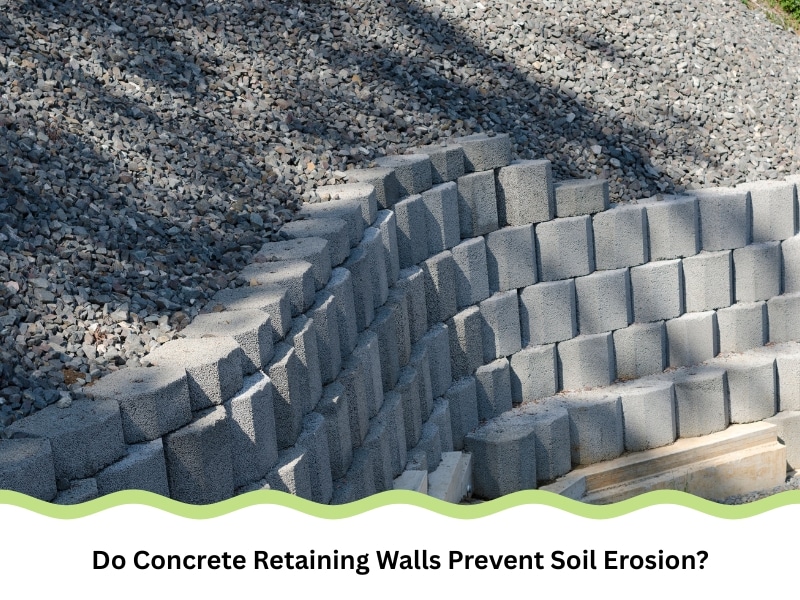
- Concrete block walls often crack under pressure, especially when not reinforced with proper engineering.
- Steel options rust and corrode, which reduces lifespan and demands costly replacements.
- Cheaper alternatives may fail to match property aesthetics, clashing with gardens or modern landscaping designs.
One of the most common reasons a garden retaining wall starts leaning is poor material choice. Cheaper walls, though tempting at first, often fail under pressure or weather damage. In contrast, limestone combines resilience with visual appeal, offering both longevity and charm that other options struggle to match.
What makes limestone retaining walls a smart landscaping choice?
Smart landscaping balances function and appearance. Limestone retaining walls deliver both, creating outdoor spaces that last and look appealing. They offer flexibility for modern or traditional garden designs without compromising strength. Here are the features that make limestone a smart choice:
- Limestone walls provide superior resistance to weather conditions, from harsh Australian sun to heavy rain.
- They blend naturally with gardens and homes, offering timeless beauty that complements different design styles.
- Installation allows for custom shapes and layers, giving homeowners creative control over the layout.
- Limestone is low-maintenance compared to other materials, reducing the time and money spent on upkeep.
For homeowners considering upgrades, limestone offers reliability with added style. Choosing to explore high-quality retaining wall options tailored to garden needs can bring long-term satisfaction while improving everyday garden function.
How do limestone retaining walls increase both beauty and strength?
A retaining wall is more than structural; it shapes the character of outdoor spaces. Limestone stands out by offering visual warmth while securing landscapes from movement or erosion. It becomes both a practical and decorative feature. Here are the combined benefits of beauty and strength:
- Limestone walls enhance garden design, acting as a focal point that draws the eye and adds elegance.
- Their structural integrity prevents soil collapse, keeping yards safe and organised during seasonal changes.
- Natural textures and colours blend seamlessly into outdoor settings, avoiding the artificial look of some alternatives.
- With the right design, limestone supports multi-level garden layouts, creating space for plants and entertainment areas.
Balancing aesthetics with performance makes limestone a standout choice. Its ability to serve both roles means properties maintain safety while also gaining lasting visual appeal.
Final thoughts
Limestone retaining walls solve problems that arise from erosion, poor soil stability, and uninspired garden design. They combine functionality with natural charm, making them suitable for both practical and aesthetic needs. By addressing drainage, durability, and visual appeal, limestone provides a versatile solution that stands the test of time.
When planning your landscape, consider how limestone walls improve safety, support, and style in equal measure. If you want tailored guidance, discover how All Green Gardening & Landscaping can transform outdoor spaces. The right choice today can prevent challenges tomorrow while adding character to your garden.